Metabolic Health Biomarkers
Metabolic biomarkers evaluate how effectively your body processes glucose, converts food into usable energy, and manages insulin sensitivity. Testing markers such as fasting glucose, HbA1c, fasting insulin, and uric acid helps identify early shifts toward insulin resistance and metabolic strain. Members track metabolic data to measure the direct impact of nutrition, fasting, and exercise routines.
Tracked Biomarkers (12)
Clinical ranges and community tracking data for blood sugar and metabolic markers.
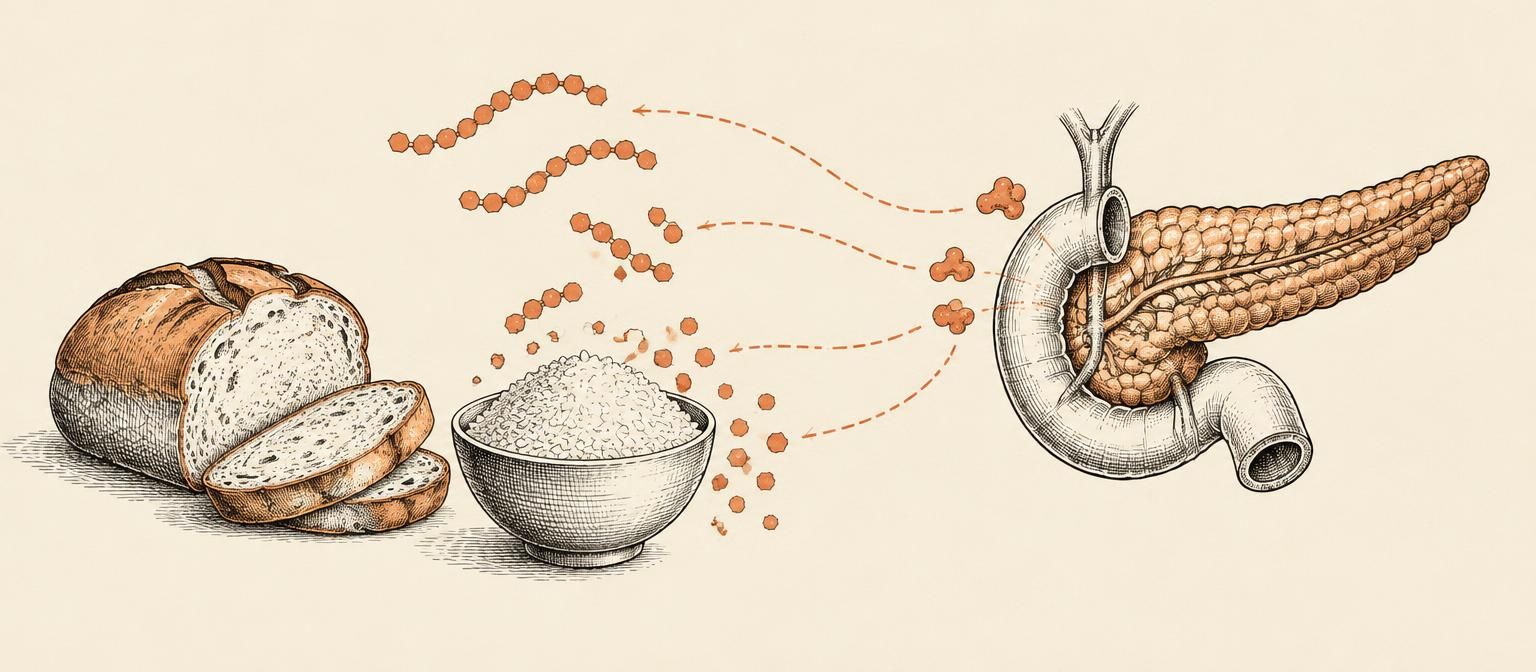
Amylase
Amylase is an enzyme that helps digest starches. It is made mostly by the pancreas and salivary glands, and very high levels can point to pancreas irritation.

Estimated Average Glucose (eAG)
eAG turns your HbA1c result into an average blood sugar number, in the same units as a finger-stick or CGM. It reflects roughly the last three months.

Fasting Blood Glucose

Fasting Insulin

Glucose Resilience
Glucose resilience estimates how well your body handles sugar after you eat. Better resilience means steadier energy and lower diabetes risk.

Glucose Time-In-Range (CGM)

Glucose Variability (CV%)

HbA1c (Hemoglobin A1c)

HOMA-IR (Insulin Resistance)
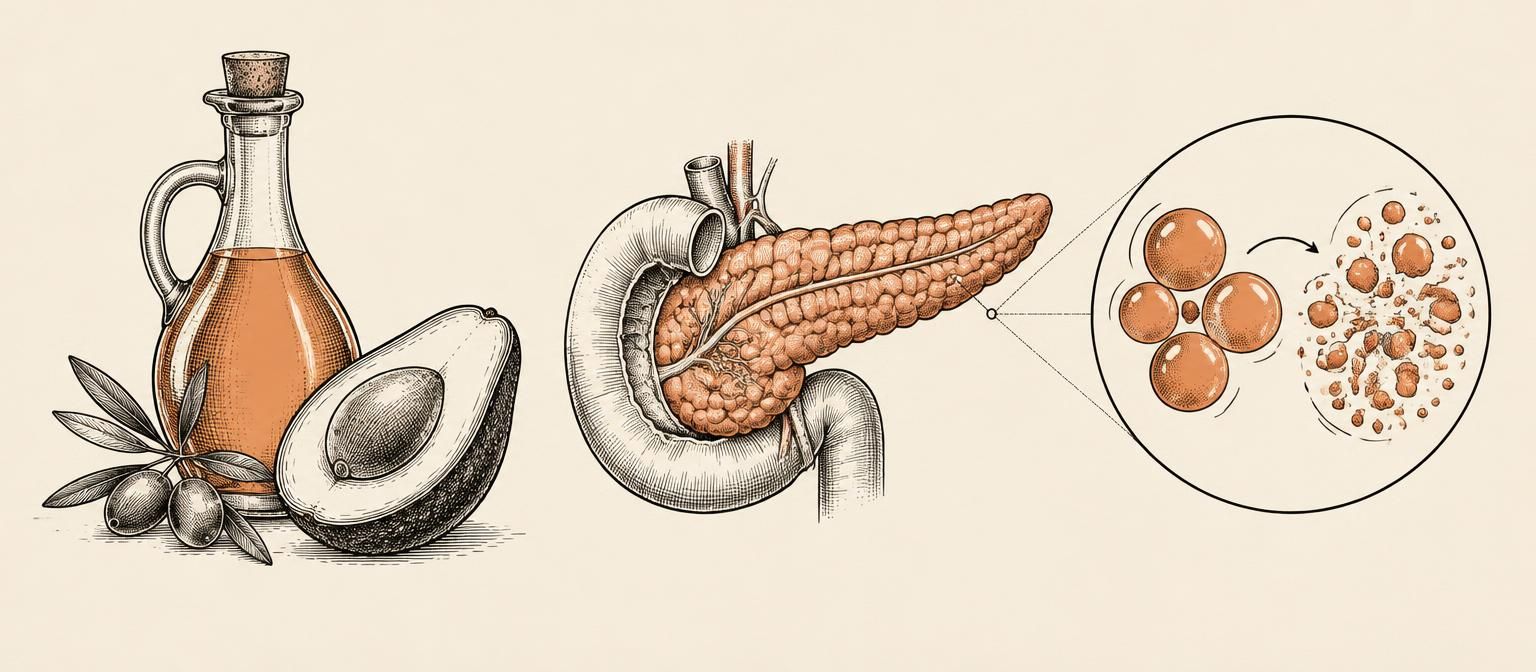
Lipase
Lipase is a pancreas enzyme that breaks down fats. It is one of the clearest blood signs of pancreas health.

Metabolic Age
Metabolic age compares your resting calorie burn to typical values for different ages. More muscle usually means a younger metabolic age.