Body Composition Biomarkers
Body composition biomarkers measure the ratio of lean muscle mass, visceral fat, subcutaneous fat, and bone mineral density in the body. Beyond scale weight, metrics like visceral adipose tissue and skeletal muscle mass directly influence metabolic rate and long-term joint health. Members track body composition scans to verify that fat loss protocols preserve valuable lean muscle tissue.
Tracked Biomarkers (13)
Muscle mass, fat distribution, and bone density metrics tracked on BioSocial.

BMI (Body Mass Index)
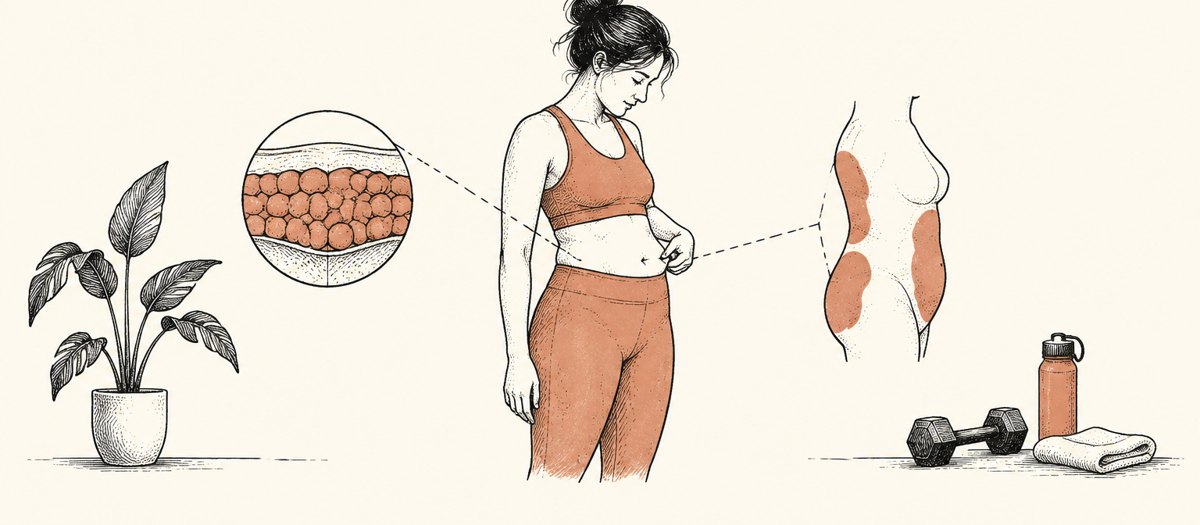
Body Fat Percentage
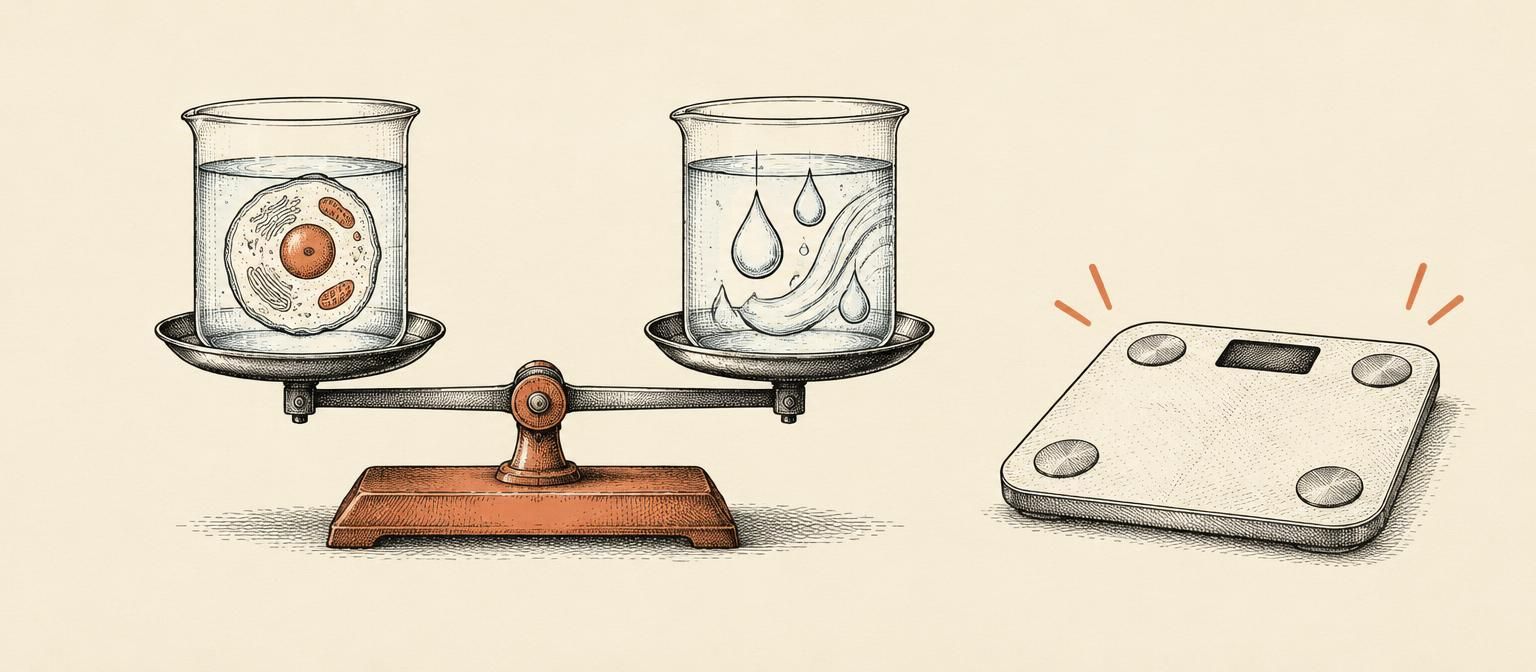
Body Fluid Balance (ECW/TBW Ratio)
This ratio compares fluid outside your cells to all the water in your body. A higher ratio can suggest fluid retention or inflammation; a balanced ratio suggests healthy cells.
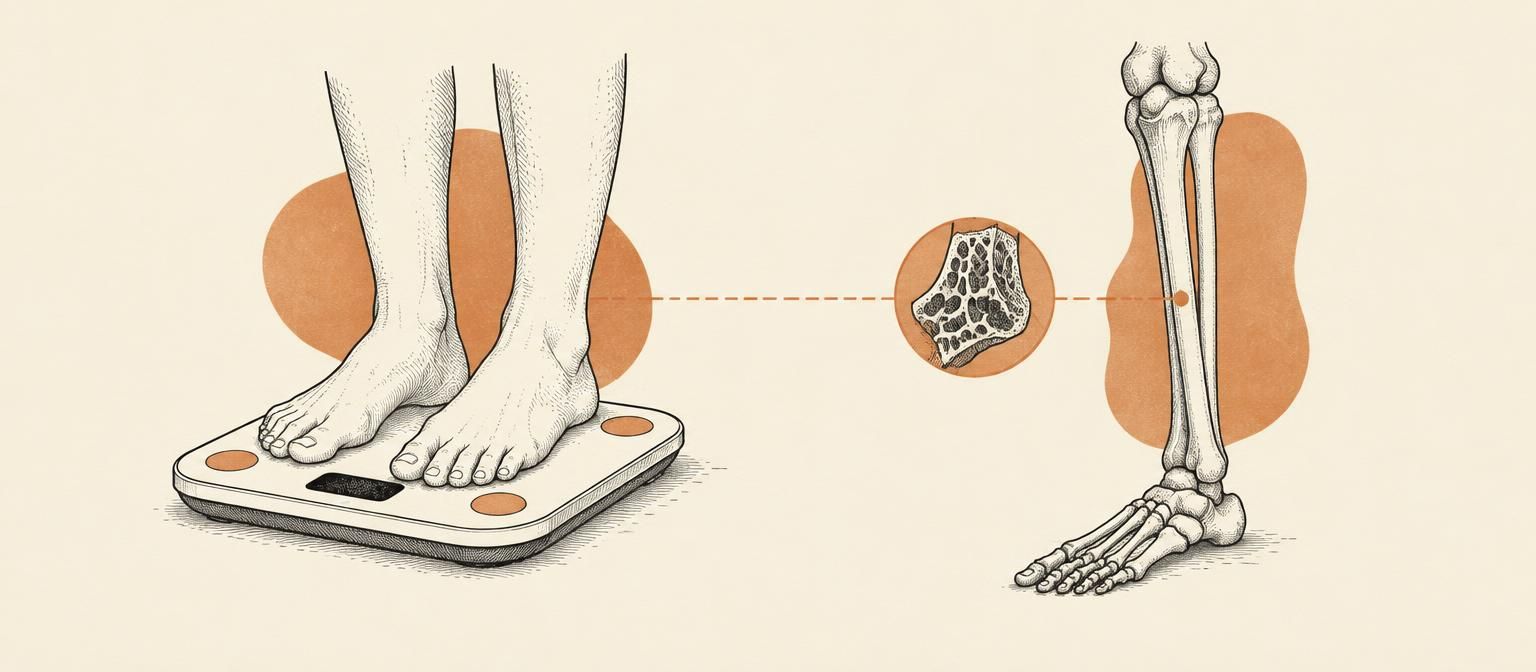
Bone Mass
Bone mass is a smart-scale estimate of how much of your weight is bone mineral. It is useful for spotting trends over time, but it is not the same as a DEXA bone density scan.

Bone Mineral Density
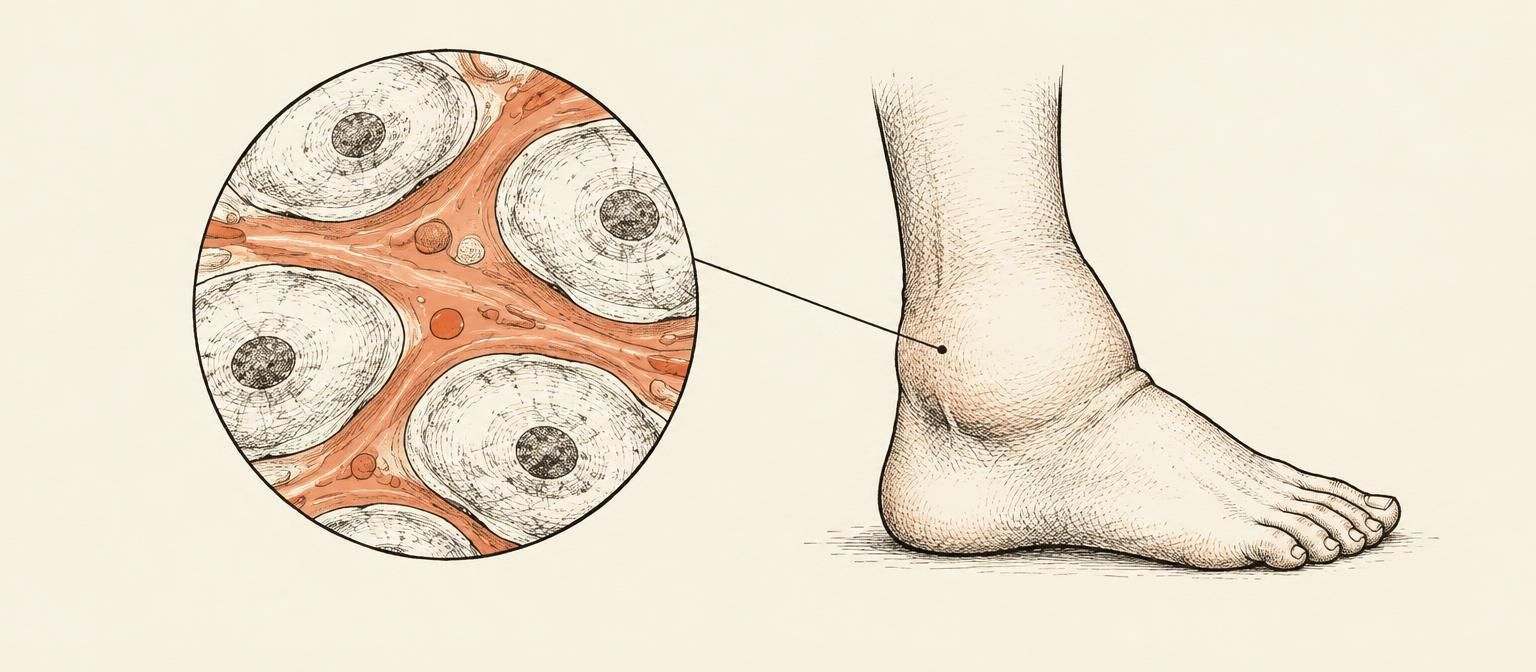
Extracellular Water (ECW)
Extracellular water is the fluid outside your cells, including blood plasma. It can rise with salt intake, swelling, or inflammation.

Intracellular Water (ICW)
Intracellular water is the fluid inside your cells. More muscle usually means more intracellular water, and it is a sign of healthy, well-fed cells.

Muscle Mass (Lean Mass)

Segmental Fat Mass
Segmental fat mass shows where your body fat is stored — arms, legs, and torso. Fat around the middle is more closely tied to heart and metabolic risk than fat on the limbs.
Segmental Muscle Mass
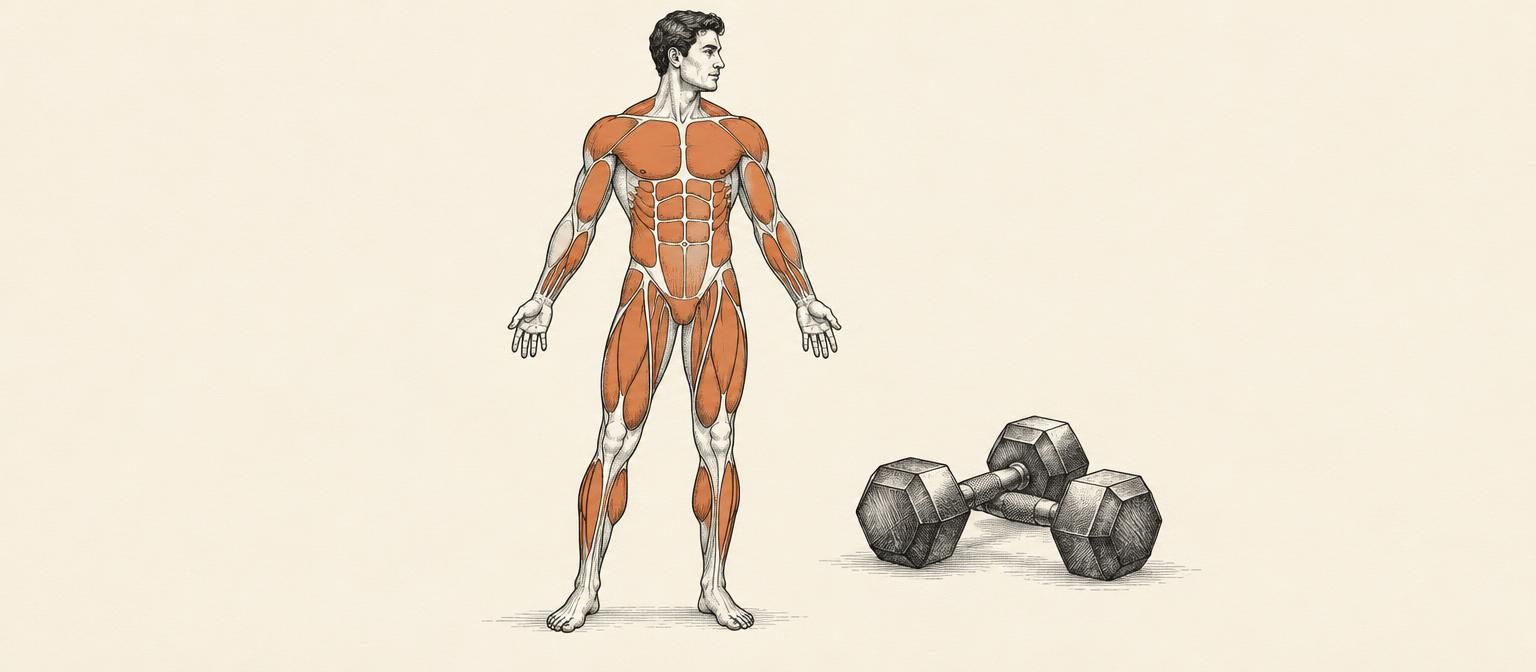
Segmental muscle mass shows how much muscle you carry in each arm, each leg, and your torso. It helps you spot left-right imbalances and see where training is working.
Visceral Fat

Water Percentage