Blood & Complete Blood Count Biomarkers
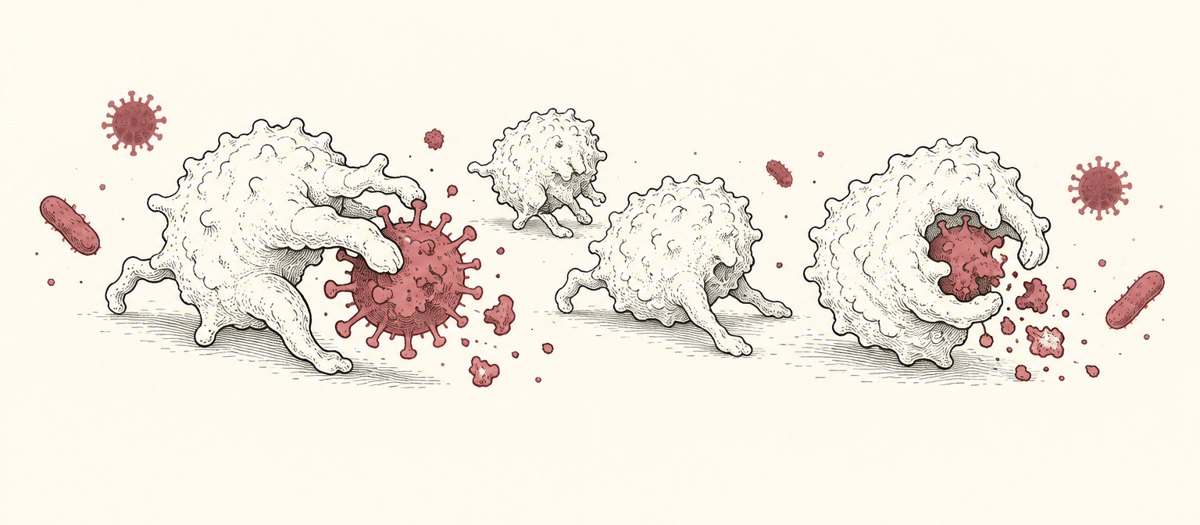
Complete blood count biomarkers measure the cells that make up your blood, including oxygen-carrying red blood cells, infection-fighting white blood cells, and clotting platelets. Evaluating metrics like hemoglobin, hematocrit, and platelet counts helps detect anemia, immune activity, and oxygen transport capacity. Members track these foundational markers to ensure strong energy production, athletic recovery, and immune readiness.
Tracked Biomarkers (26)
Complete blood count markers, cellular metrics, and member tracking trends.
Basophils (Absolute)
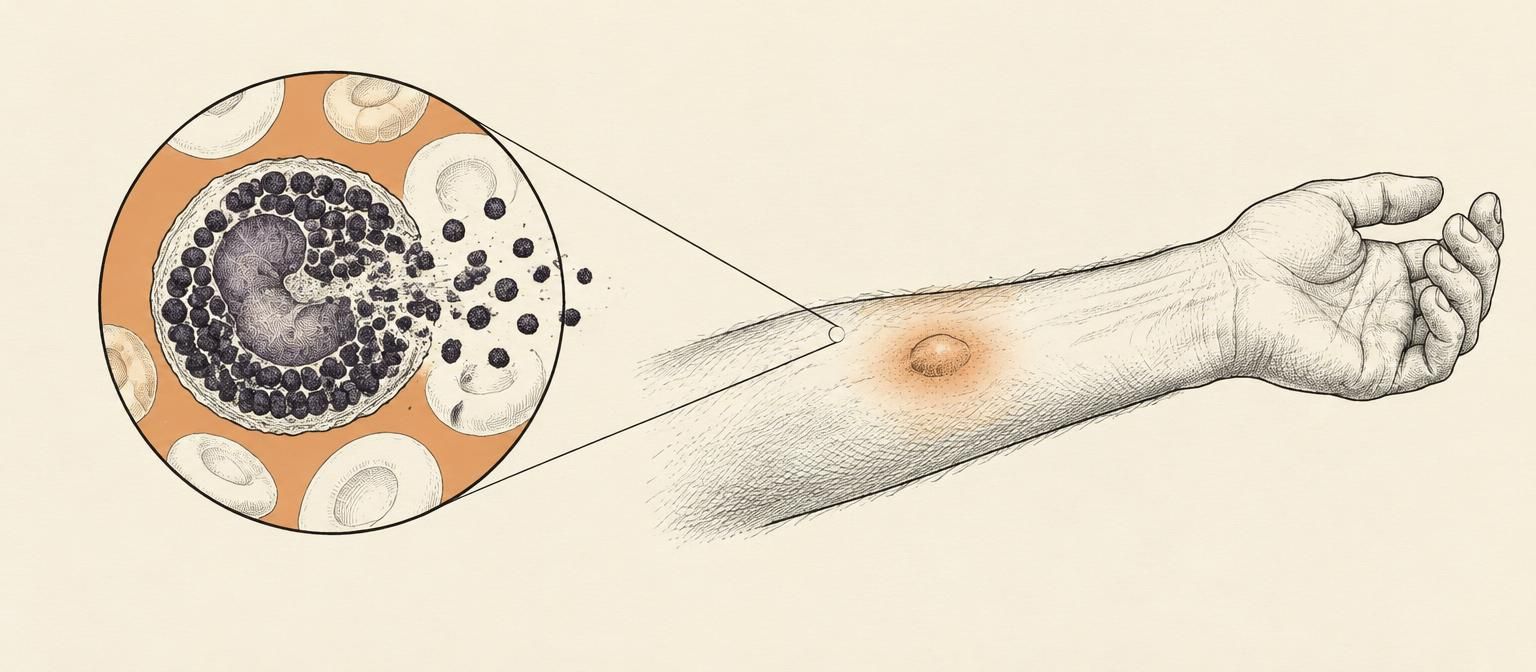
Basophils are the rarest white blood cells. They release histamine during allergic reactions.
Basophils %
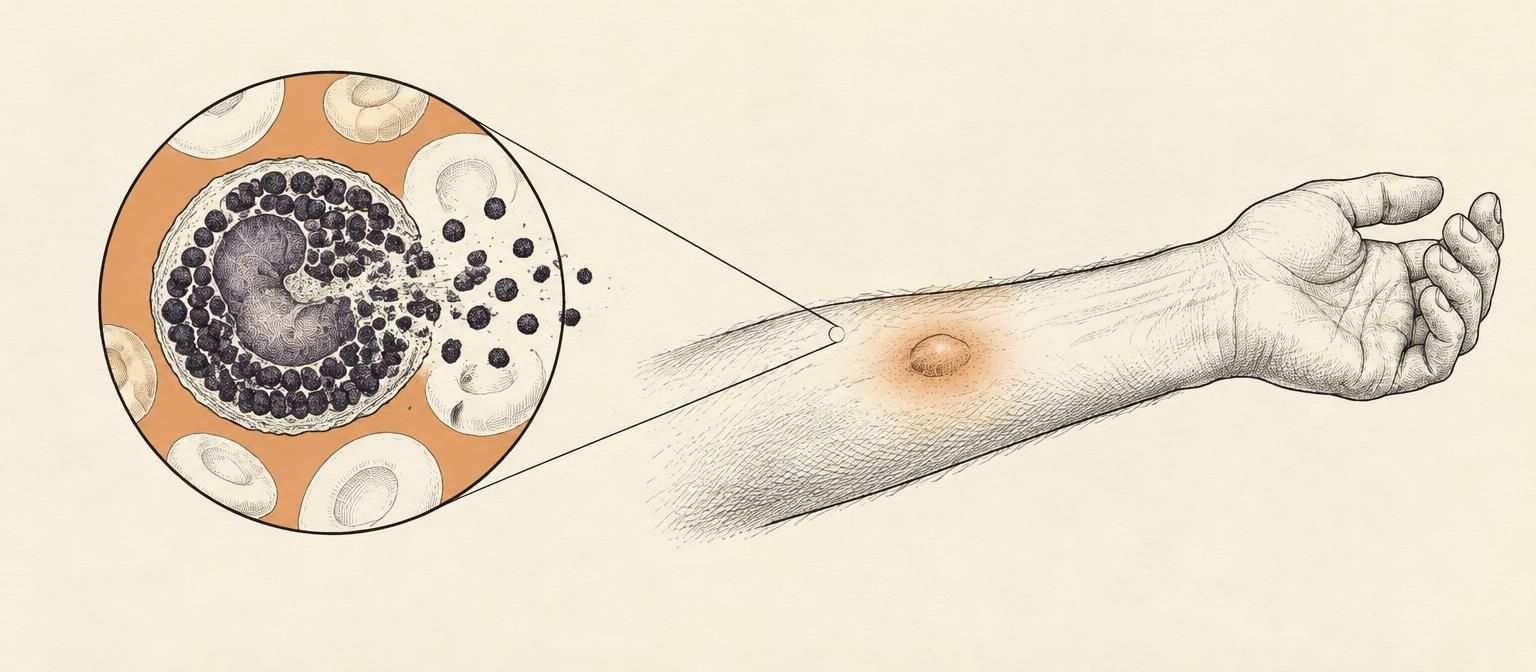
This shows what share of your white blood cells are basophils.
Calcium
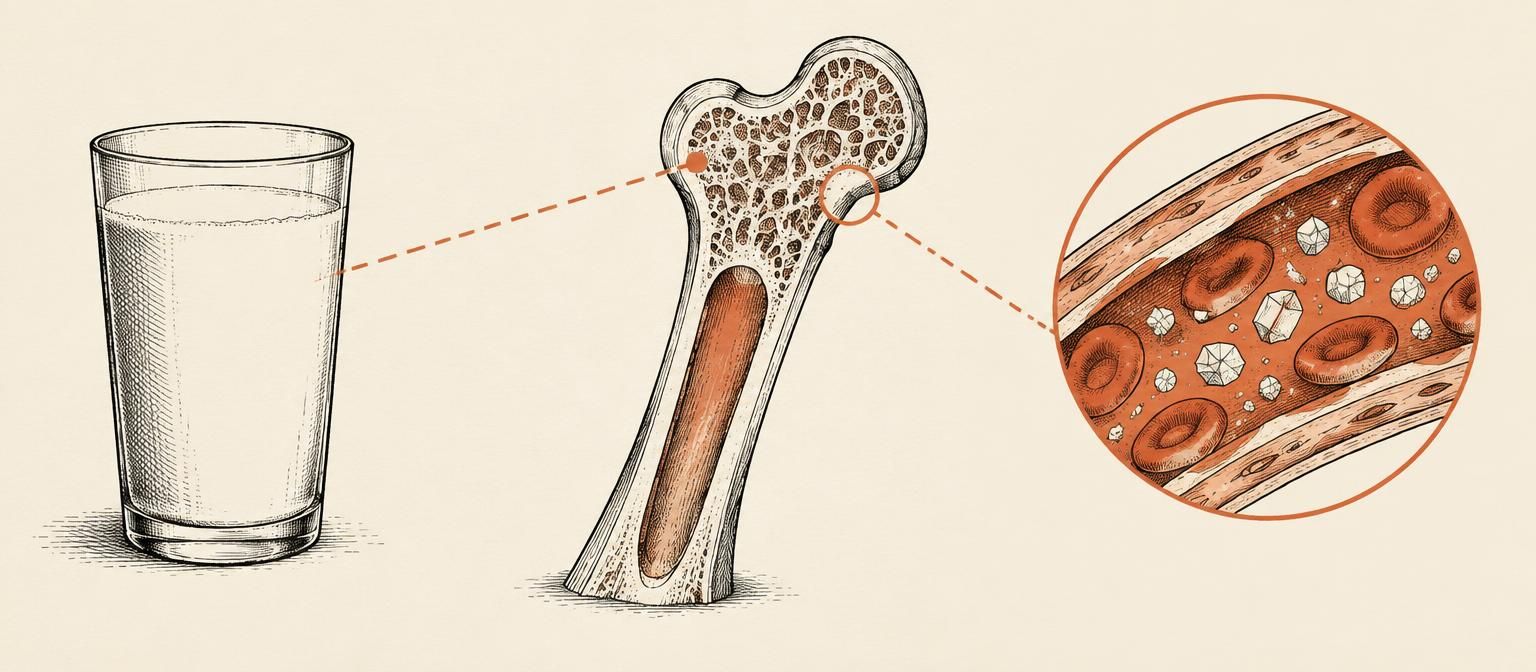
Calcium is a mineral in your blood that helps your muscles move, your nerves send signals, and your heart keep a steady beat. Your body keeps blood calcium in a tight range, pulling from your bones if it needs to.
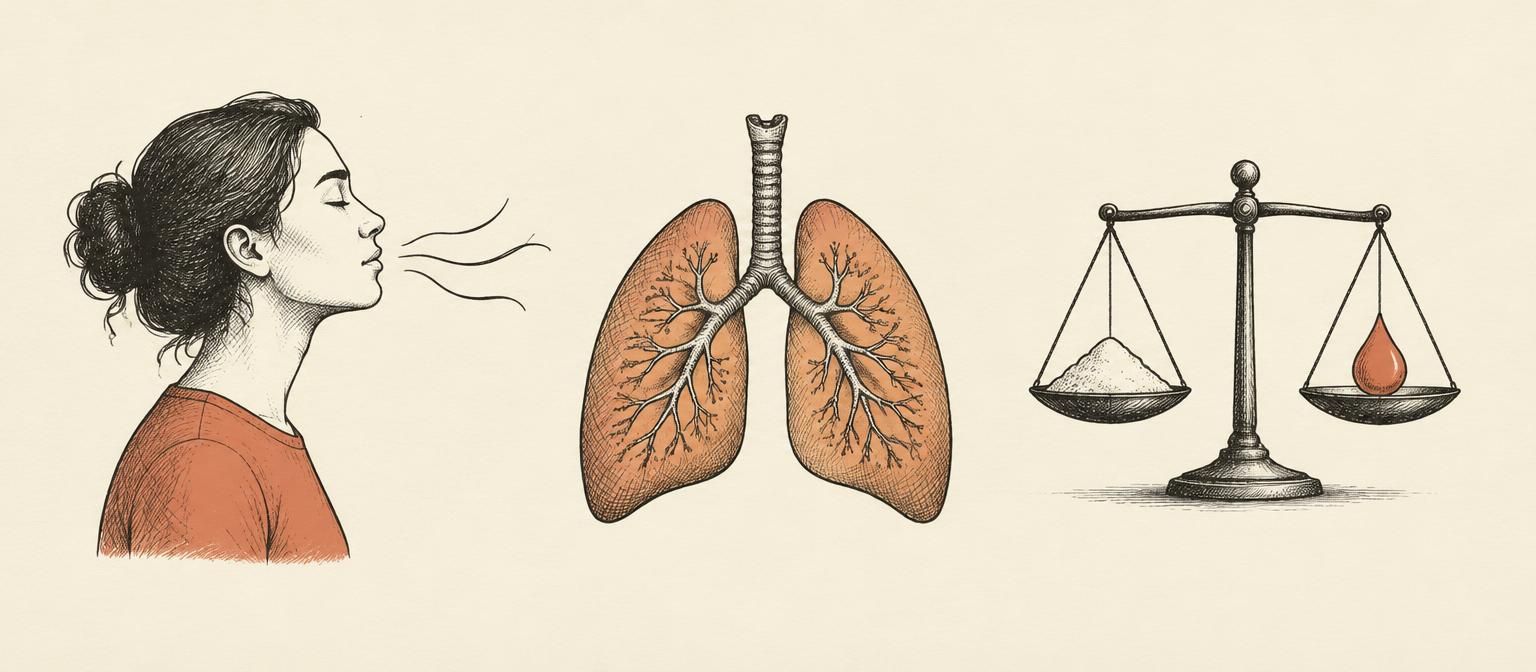
Carbon Dioxide (CO2 / Bicarbonate)
This marker measures bicarbonate, which your body uses to keep blood from getting too acidic. Breathing, kidneys, diet, and hard exercise all affect it.
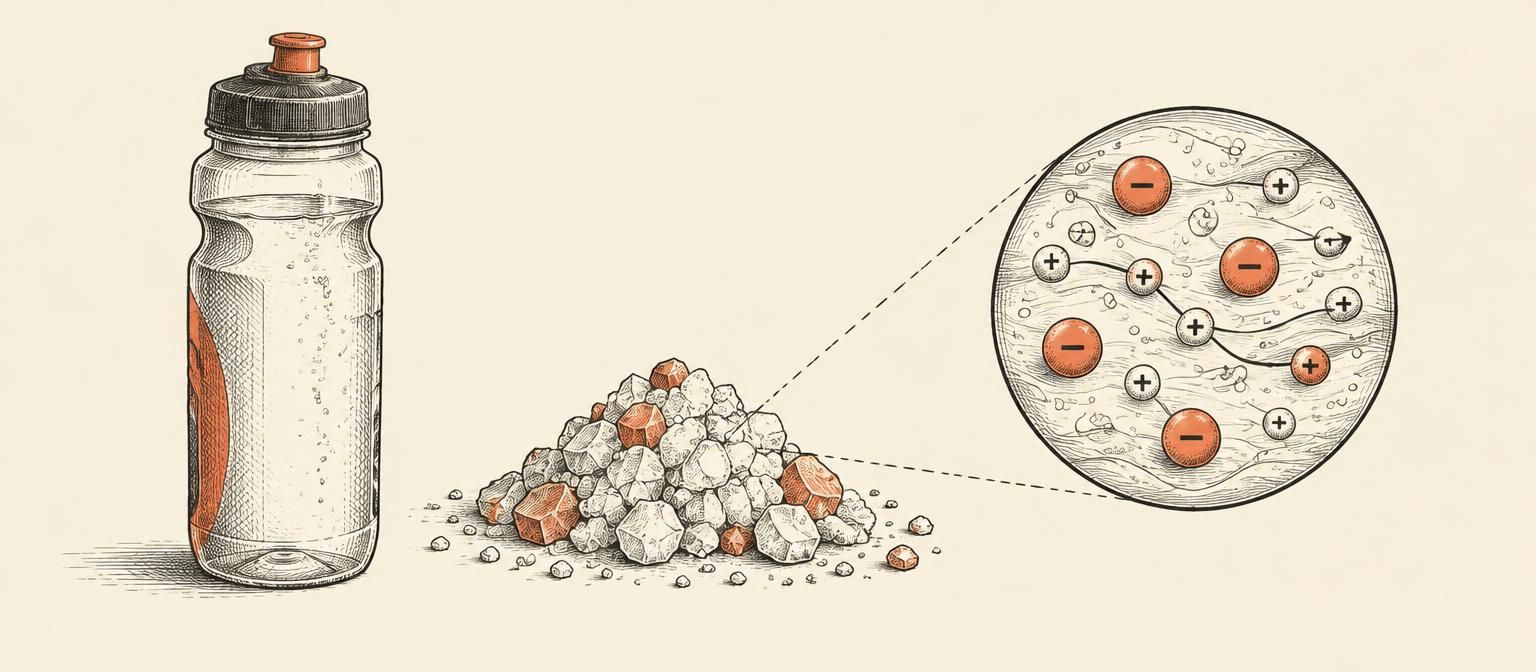
Chloride
Chloride is an electrolyte that works with sodium to balance fluids and keep your blood's acid level steady. It usually moves along with sodium and hydration.
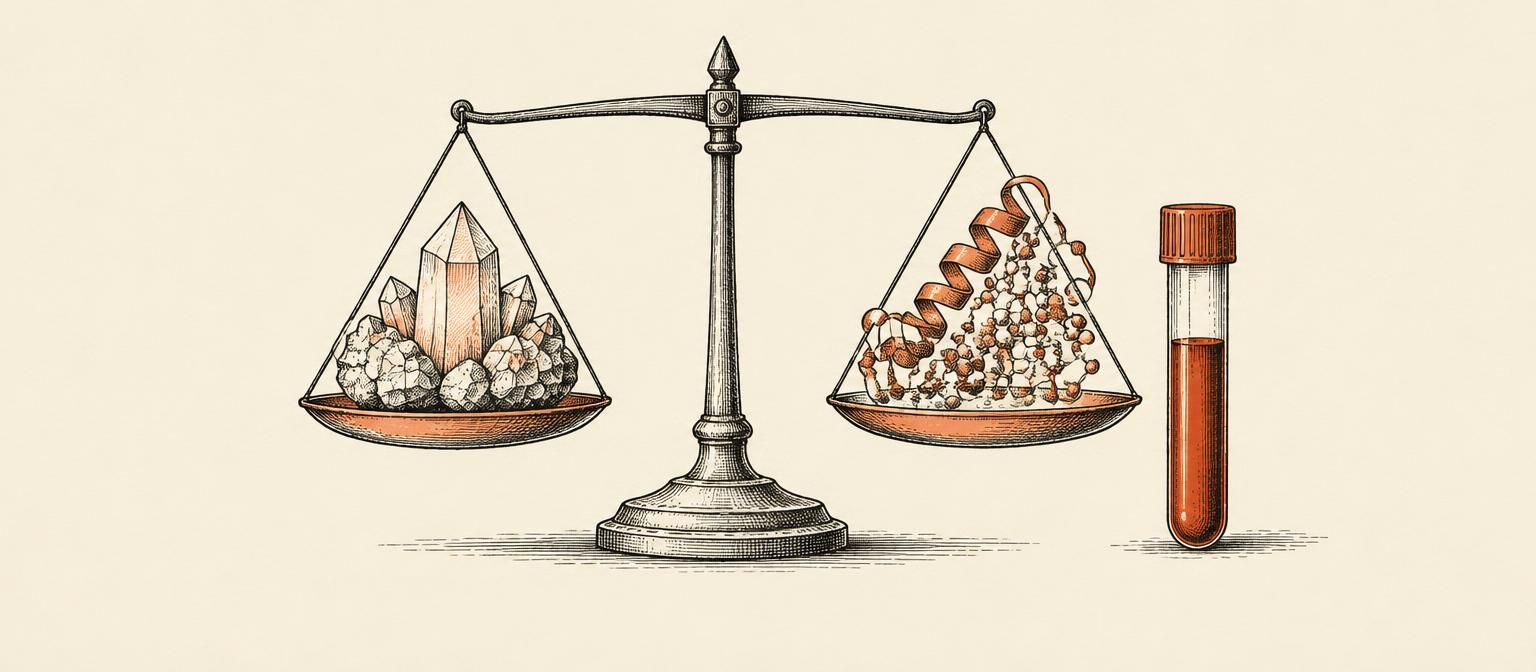
Corrected Calcium (Albumin-Adjusted)
Corrected calcium adjusts your calcium result for your albumin level. Because much of the calcium in blood rides on albumin, this gives a truer picture when albumin is high or low.
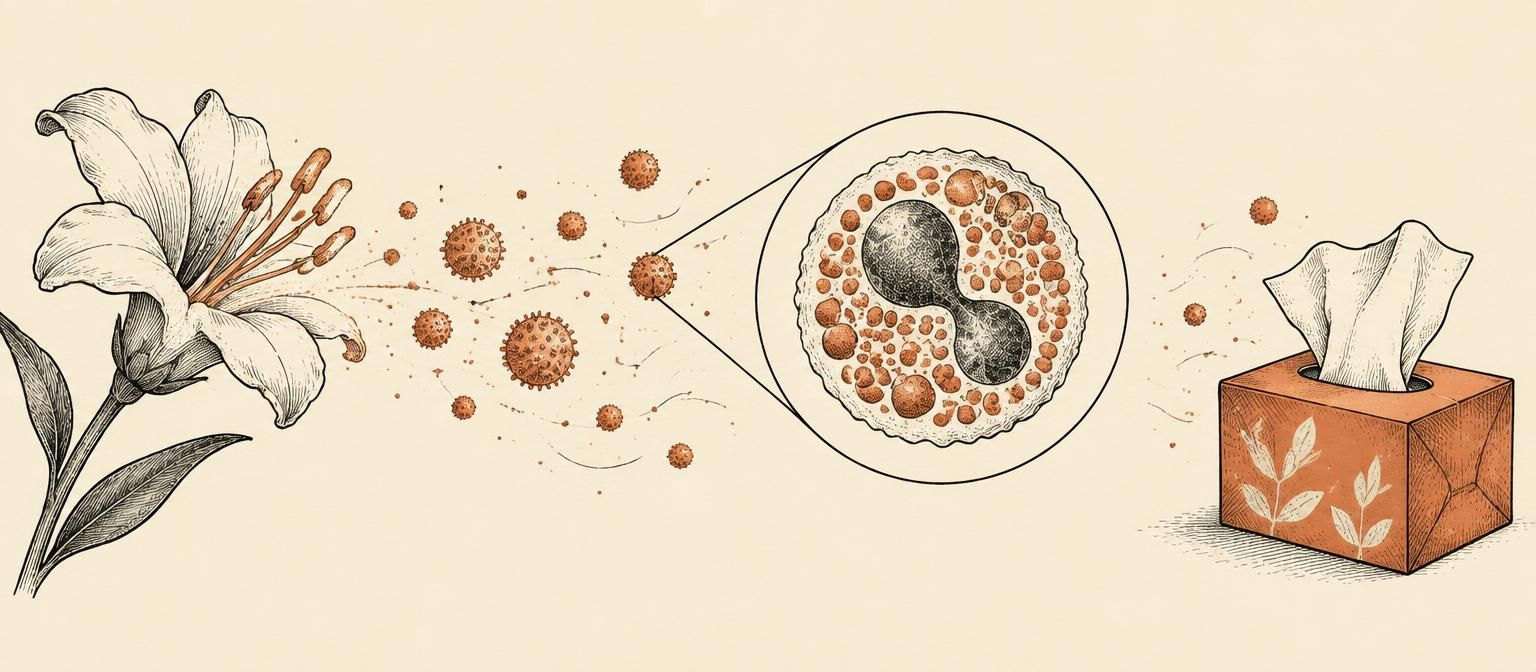
Eosinophils (Absolute)
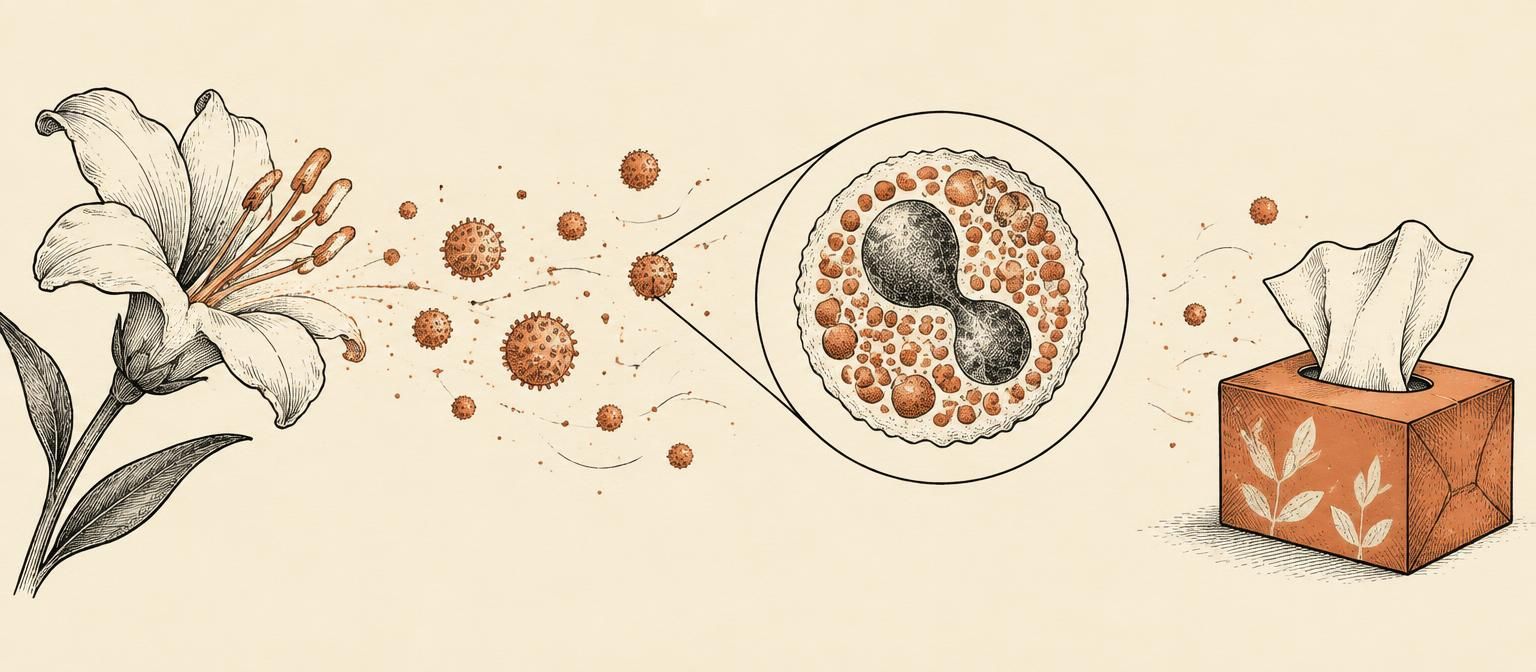
Eosinophils are white blood cells tied to allergies, asthma, and parasite defense. Higher counts often appear during allergy season or with gut issues.
Eosinophils %
This shows what share of your white blood cells are eosinophils.
Hematocrit
Hemoglobin

Lymphocytes (Absolute)
Lymphocytes are white blood cells that fight viruses and remember past infections. They include T cells, B cells, and natural killer cells.

Lymphocytes %
This shows what share of your white blood cells are lymphocytes. Very low shares can show up with chronic stress or poor recovery.
MCH (Mean Corpuscular Hemoglobin)
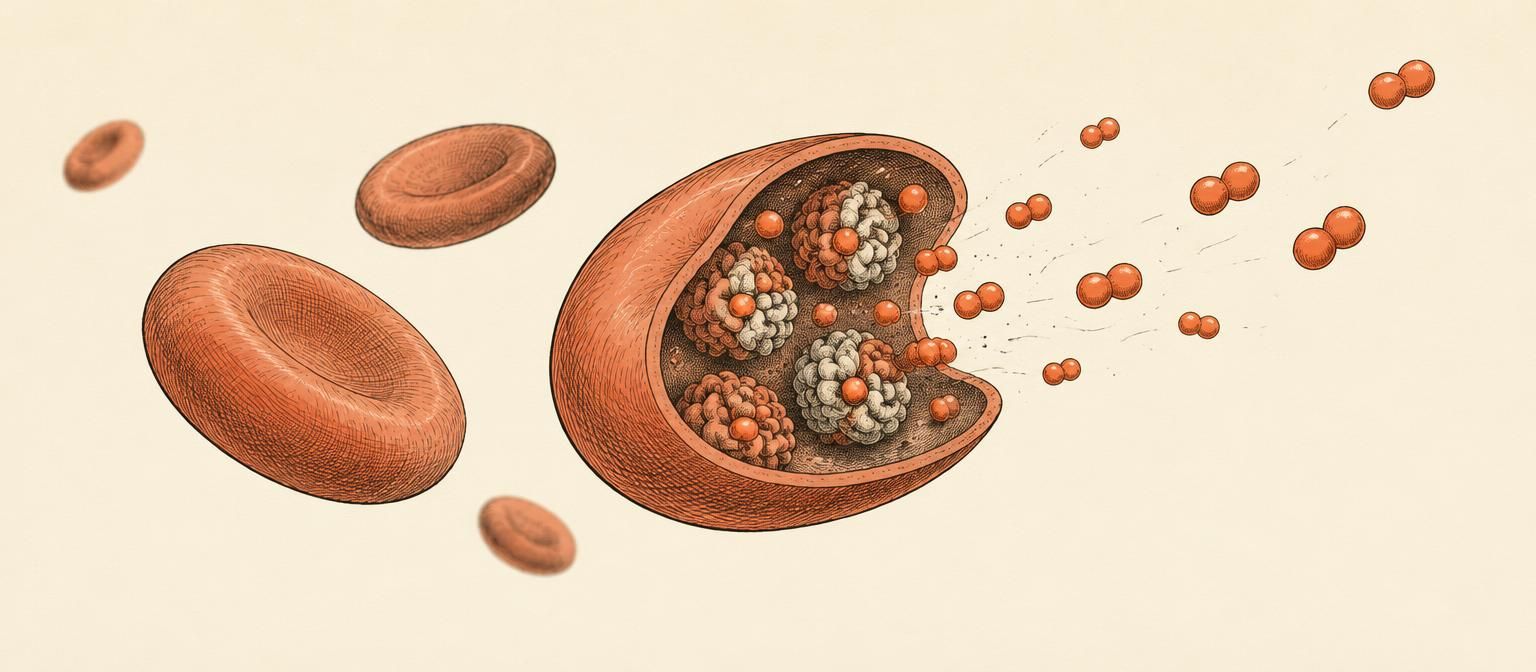
MCH shows how much hemoglobin, the oxygen-carrying protein, is in each red blood cell. Low values can point to low iron; high values to low B12 or folate.
MCHC (Mean Corpuscular Hemoglobin Concentration)
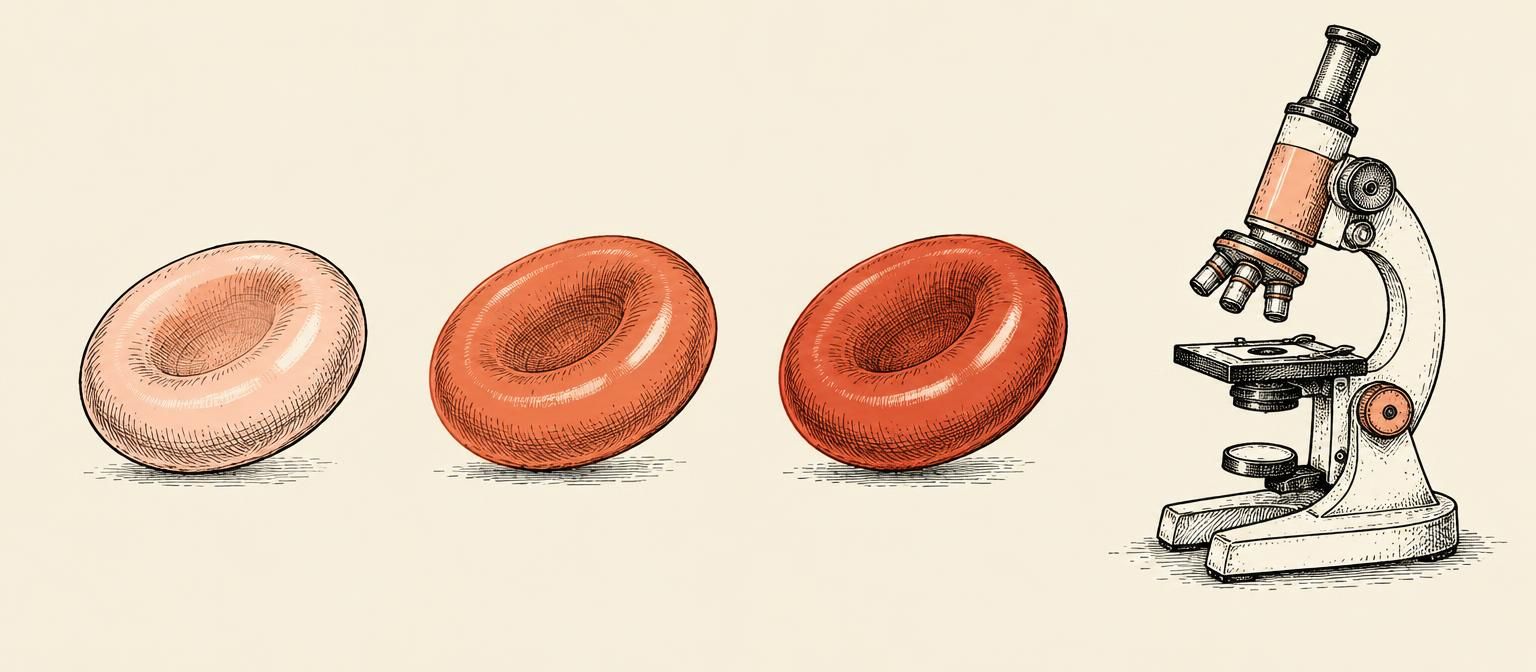
MCHC shows how concentrated hemoglobin is inside your red blood cells. It helps tell different types of anemia apart.
MCV (Mean Corpuscular Volume)
Monocytes (Absolute)
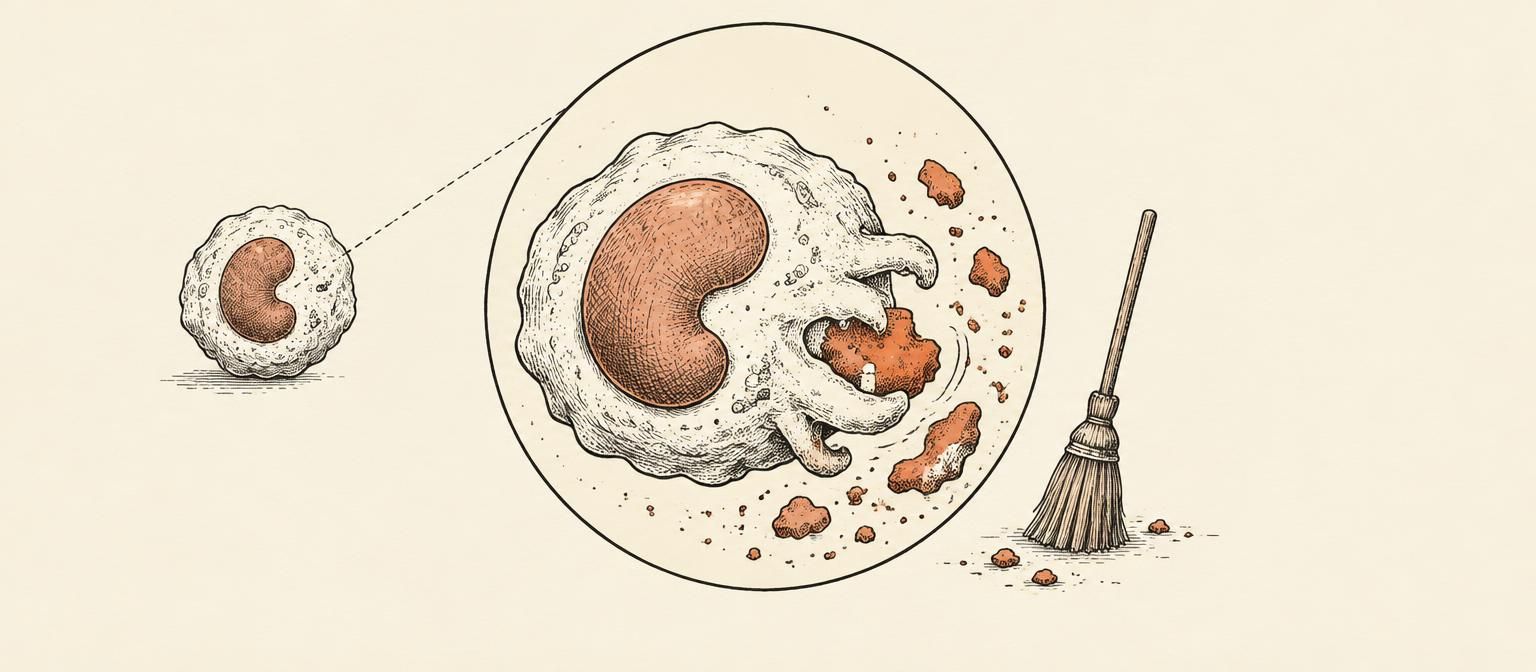
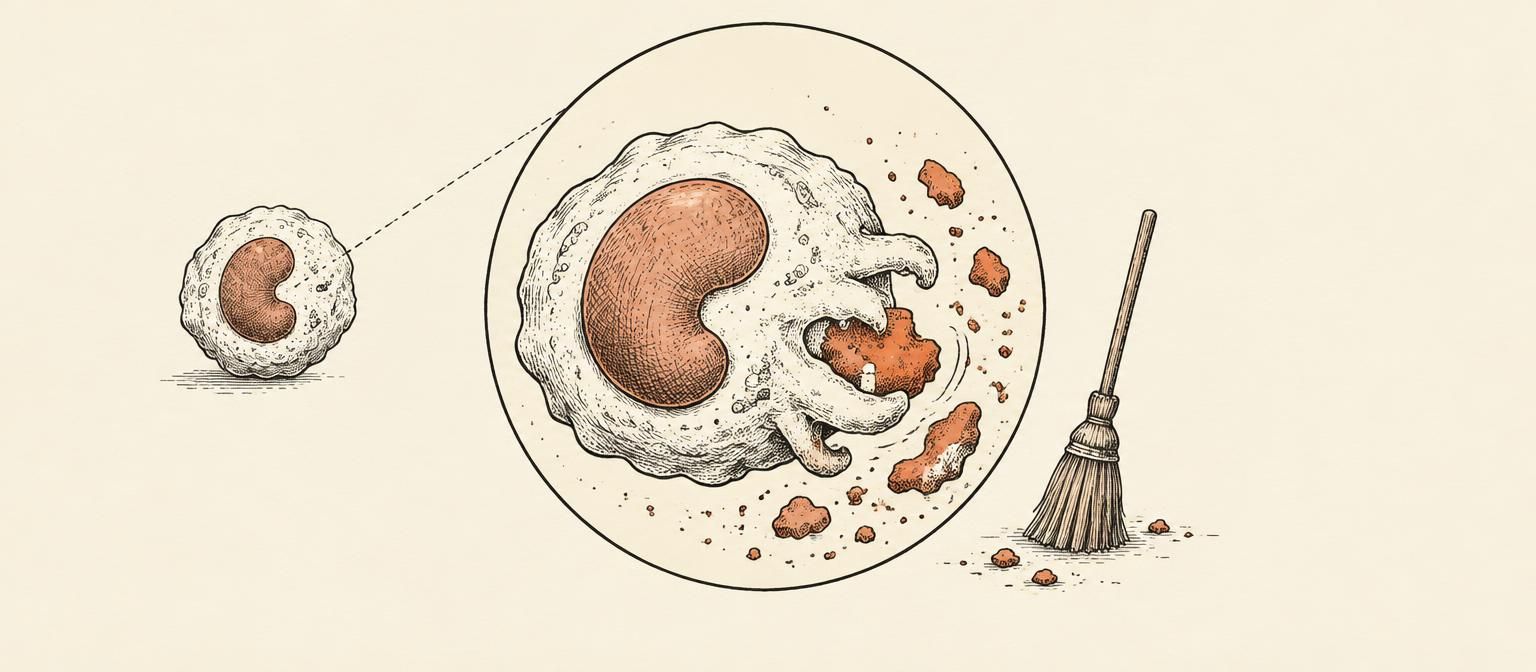
Monocytes are white blood cells that clean up damaged tissue and help fight infection. Higher counts can show up with long-term inflammation.
Monocytes %
This shows what share of your white blood cells are monocytes.
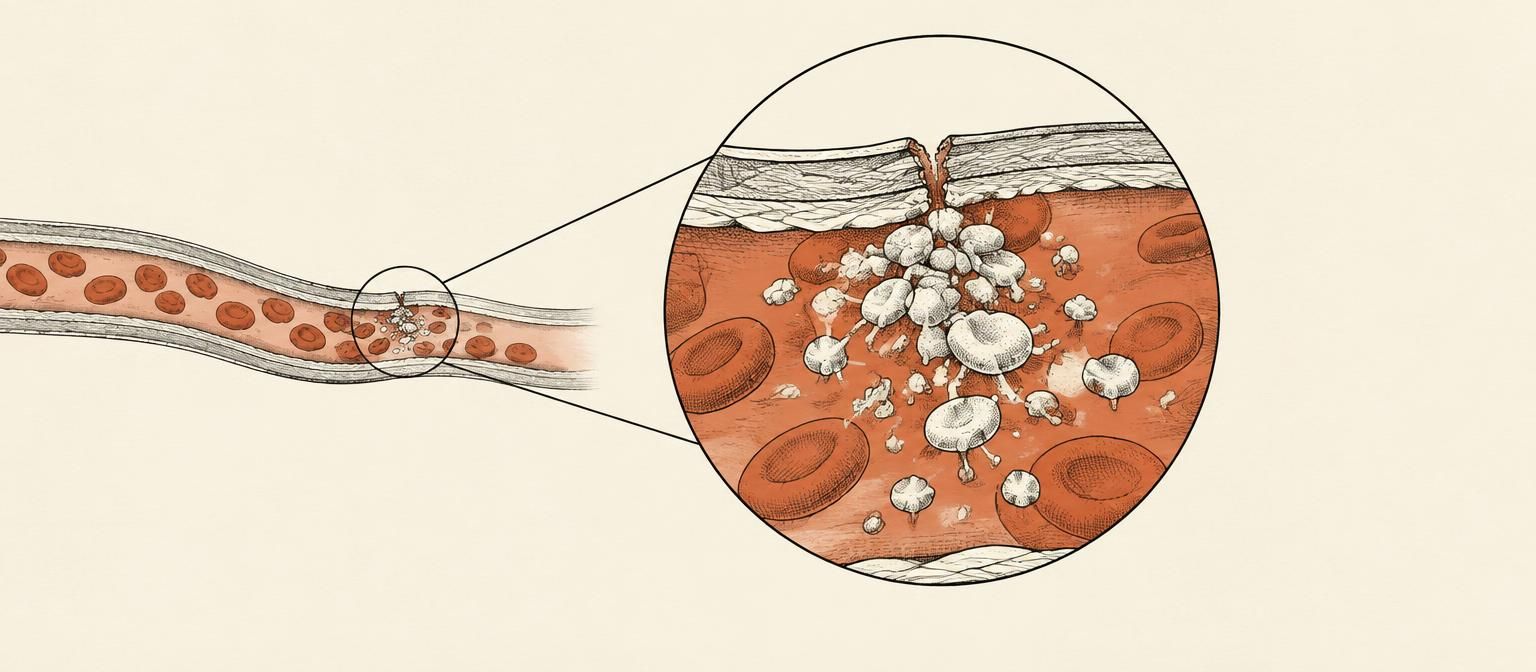
MPV (Mean Platelet Volume)
MPV is the average size of your platelets, the cells that help blood clot. Larger platelets are younger and more active.
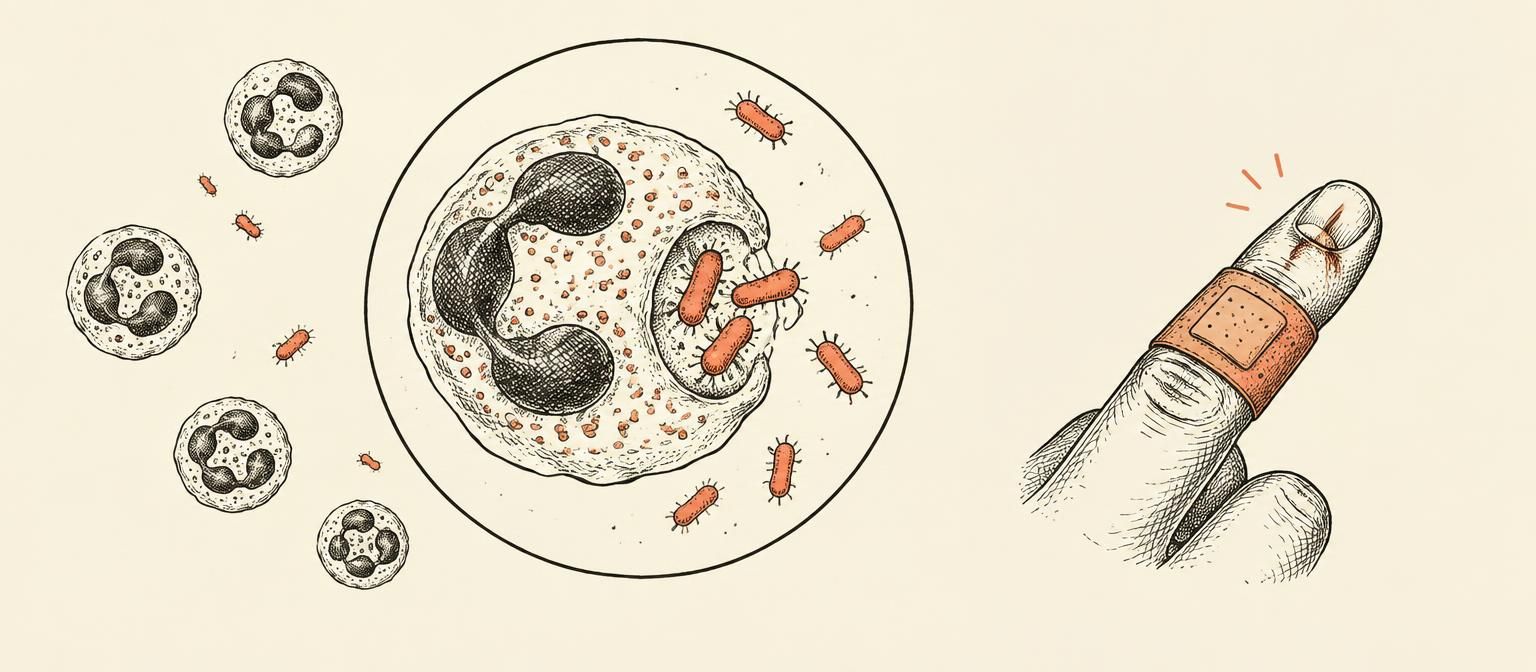
Neutrophils (Absolute)
Neutrophils are the most common white blood cells and your first defense against bacteria. Counts rise with infection, stress, or hard training and fall with some illnesses.
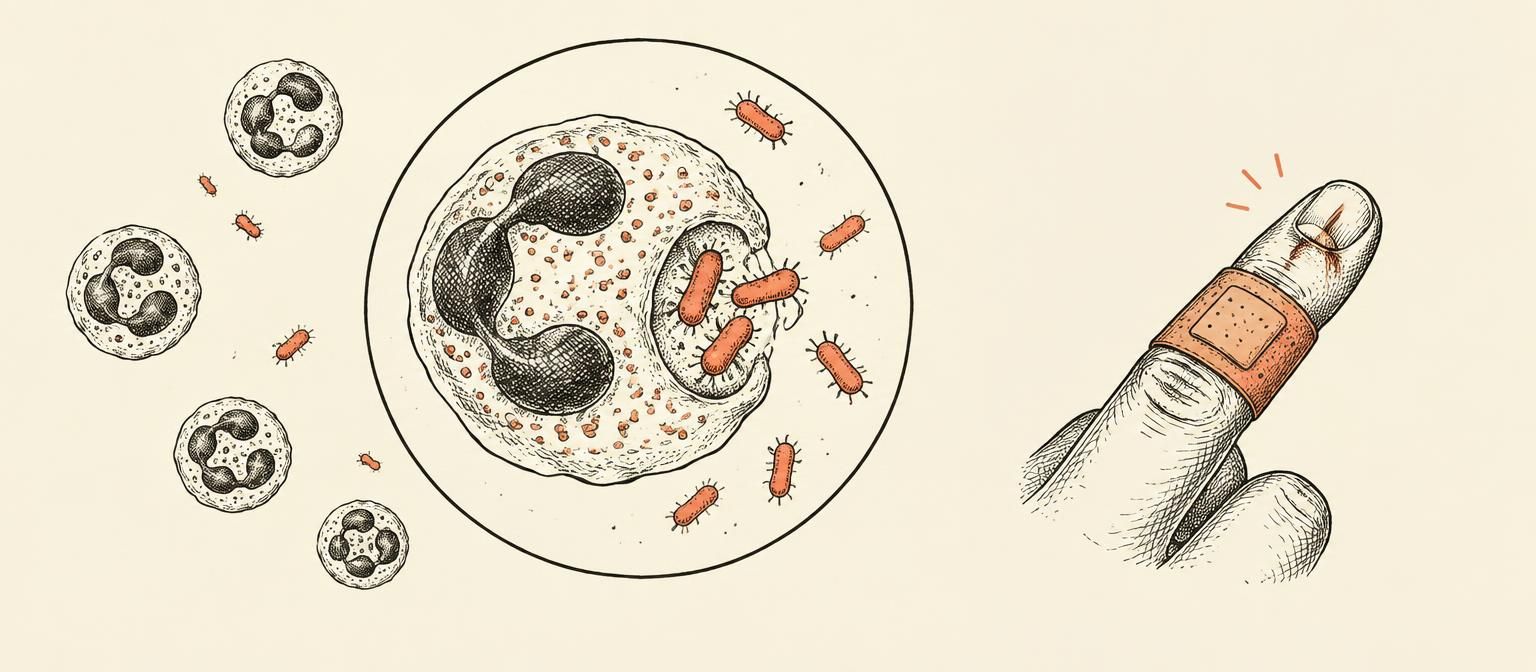
Neutrophils %
This shows what share of your white blood cells are neutrophils. It helps your doctor see which part of your immune system is most active.
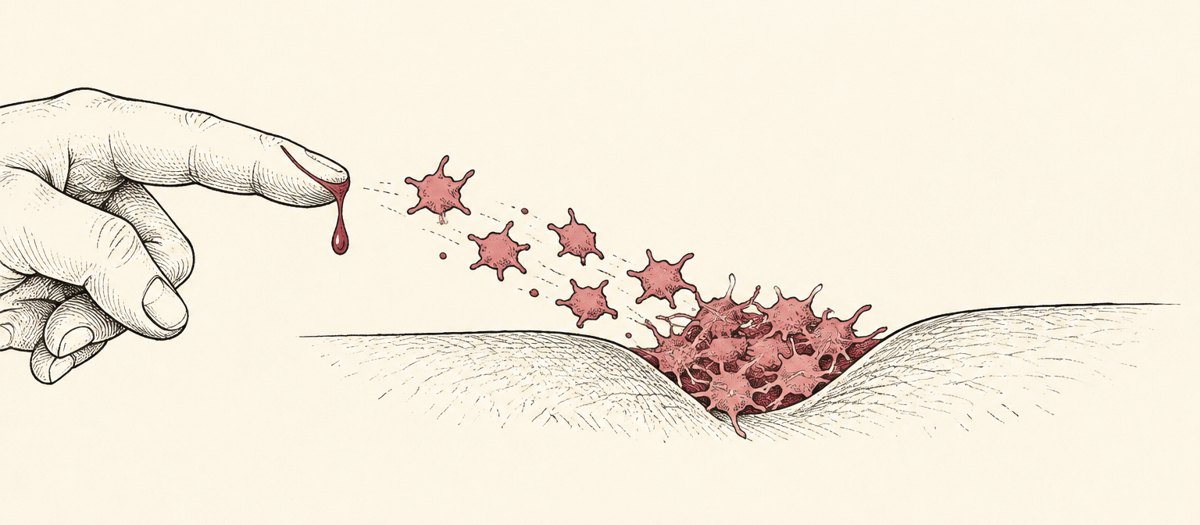
Platelets
Potassium
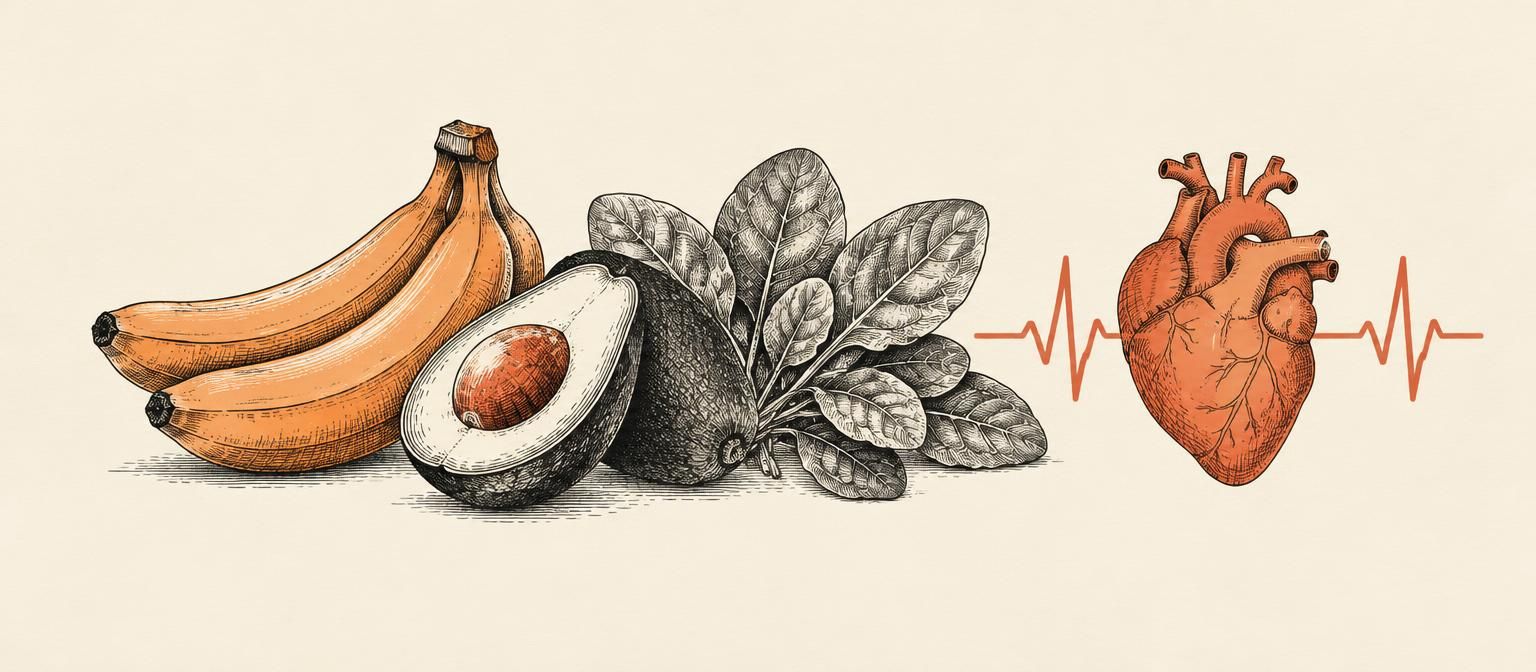
Potassium is an electrolyte that keeps your heart rhythm steady and helps your muscles and nerves work. Diet, kidney health, and some medicines can push it up or down.
RBC (Red Blood Cells)
RDW (Red Cell Distribution Width)
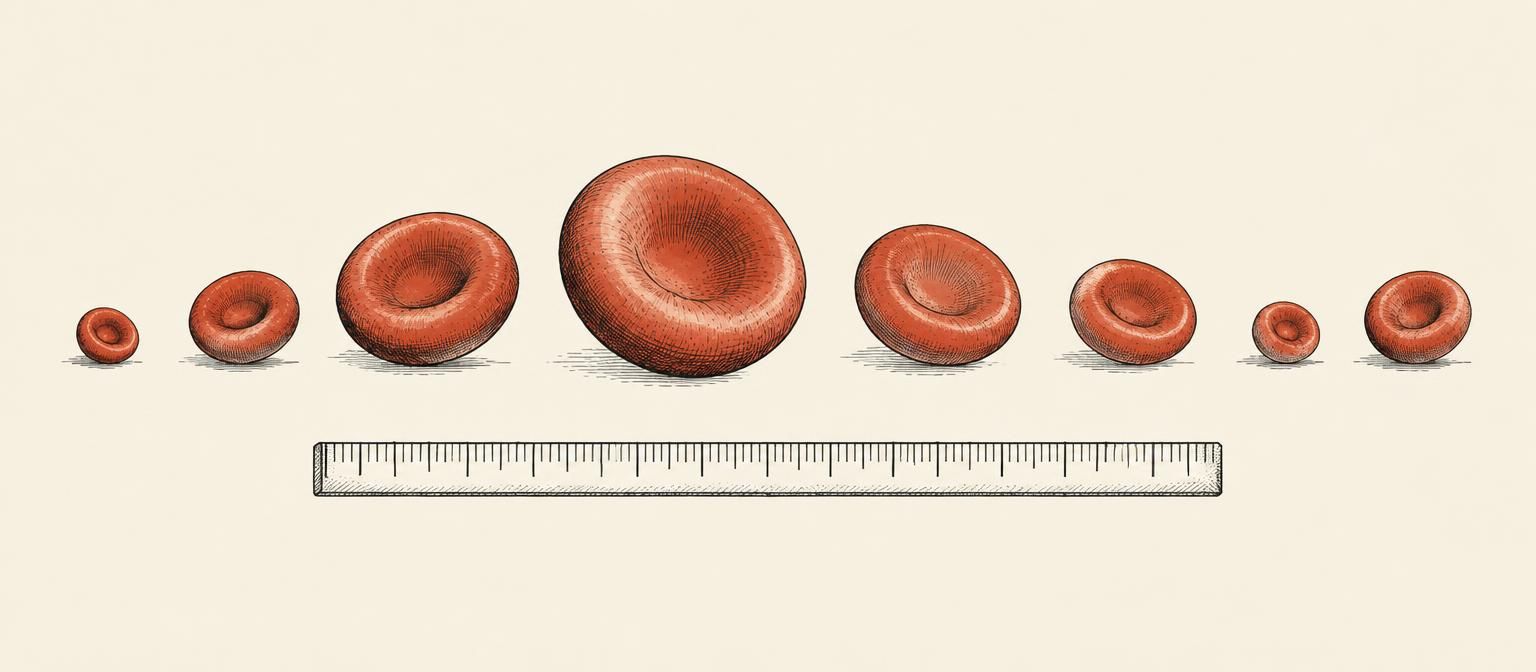
RDW measures how much your red blood cells vary in size. A higher RDW can be an early sign of low iron, B12, or folate, and is linked with overall health and aging.
Sodium (Blood)
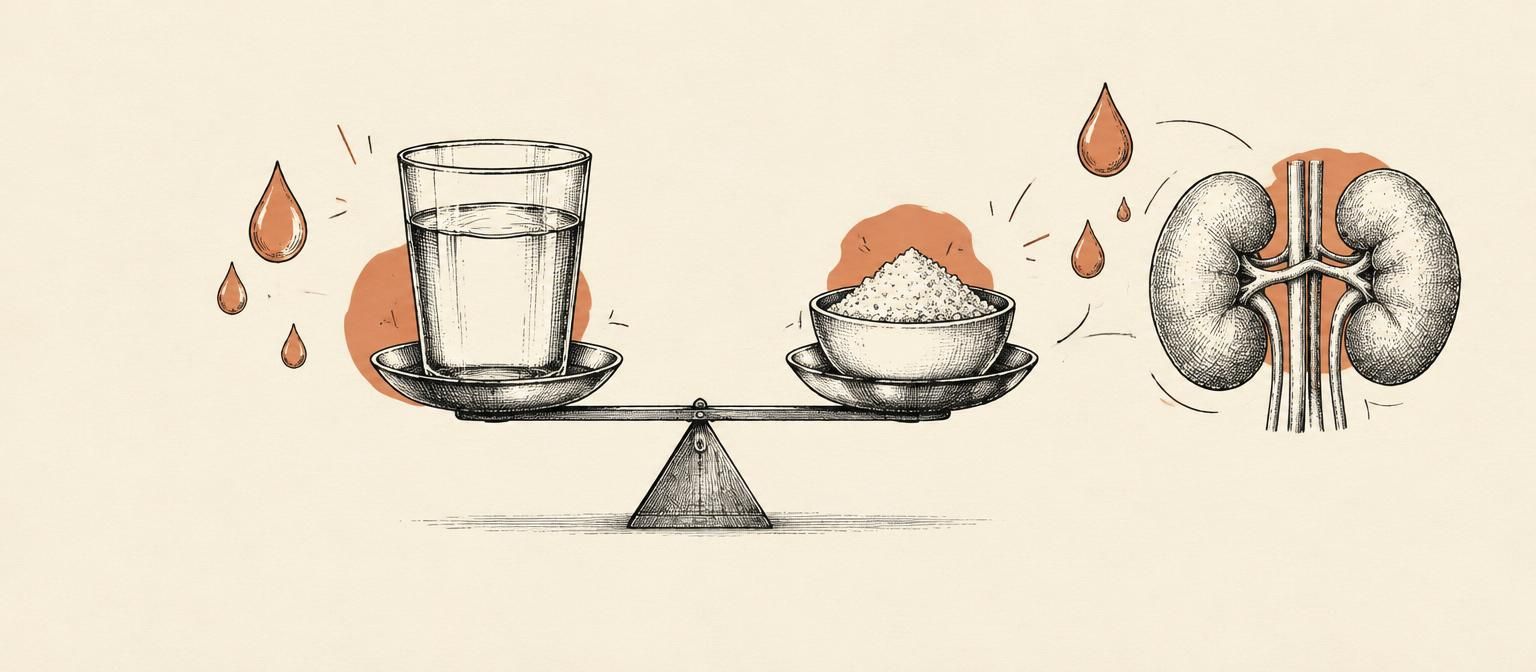
Blood sodium shows how well your body balances salt and water. It is different from how much salt you eat — it mostly reflects hydration and how your kidneys and hormones manage fluid.