Cardiovascular Health Biomarkers
Cardiovascular biomarkers measure physical indicators and blood factors that reflect the health, stiffness, and pumping efficiency of the heart and arteries. Metrics such as resting heart rate, blood pressure, and VO2 max provide an objective window into circulatory performance and aerobic fitness. Members monitor cardiovascular indicators to measure heart health improvements from endurance and strength training.
Tracked Biomarkers (10)
Physical metrics and biometric indicators reflecting heart and circulatory function.

Blood Pressure — Diastolic
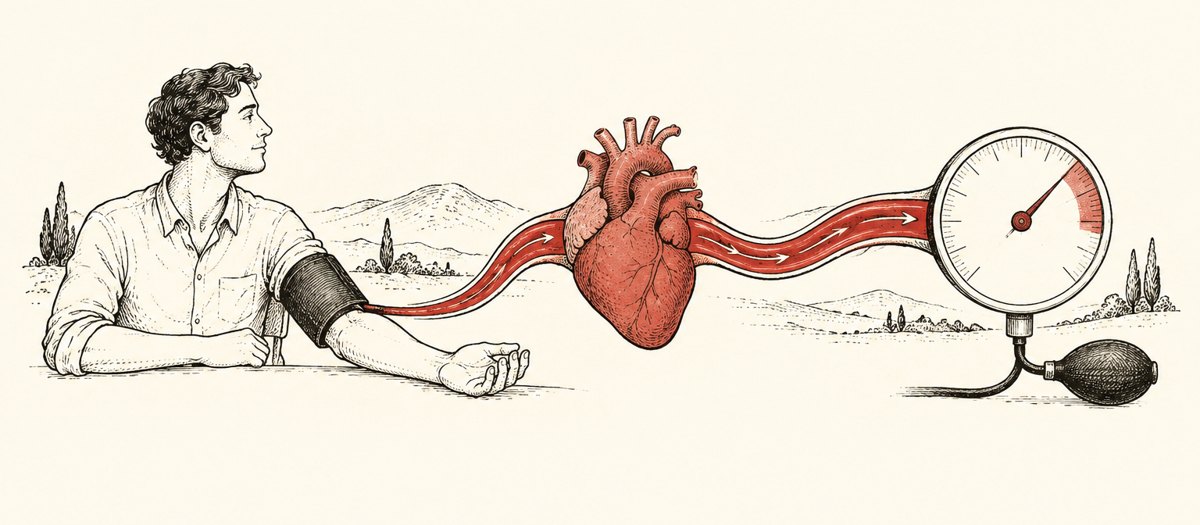
Blood Pressure — Systolic
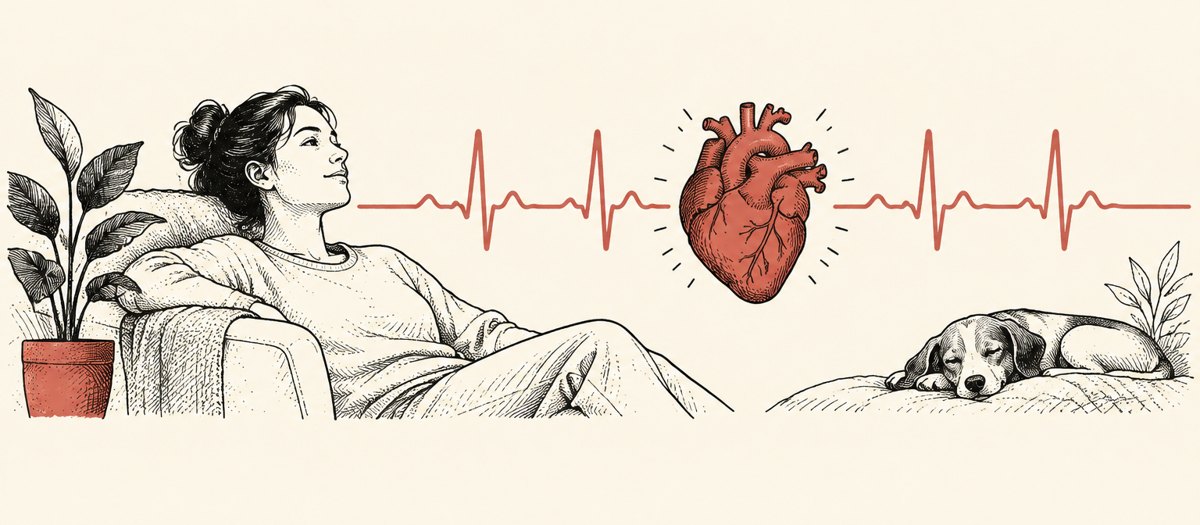
ECG Rhythm
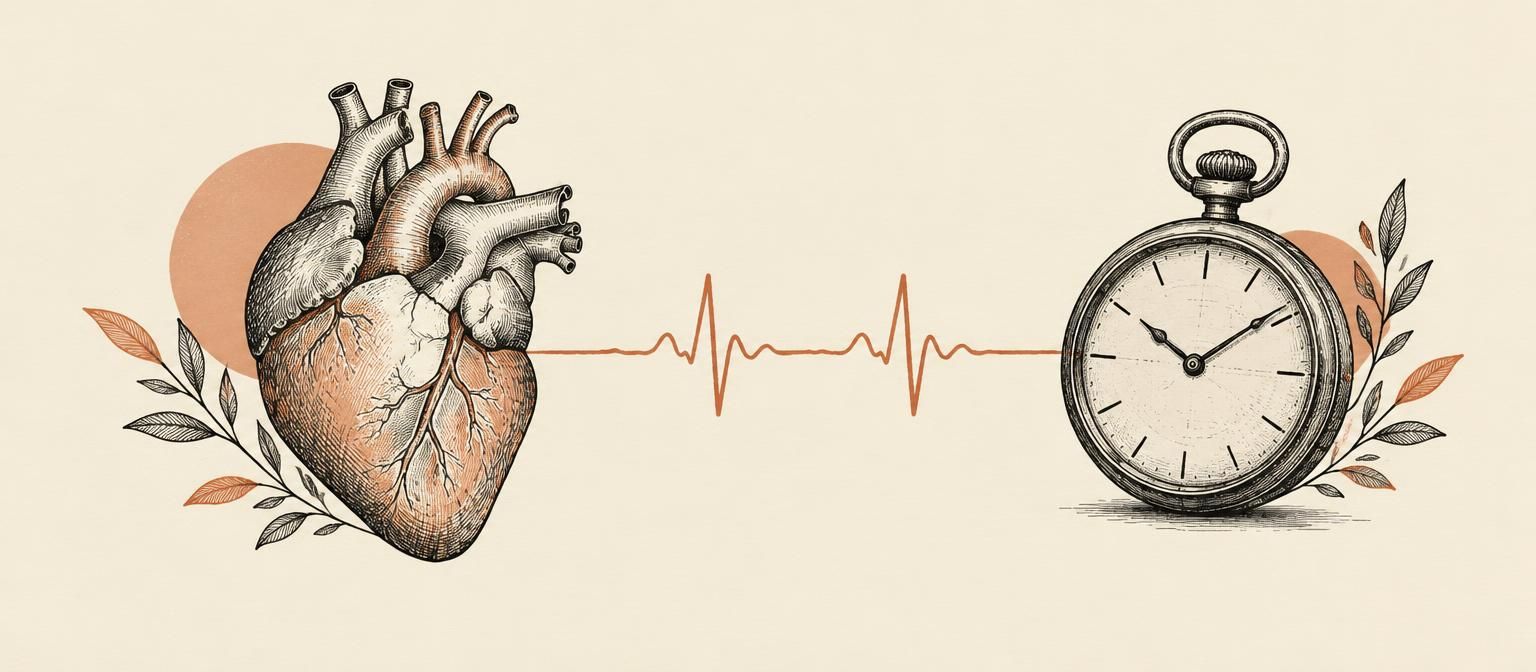
Heart Age
Heart age estimates how well your heart pumps compared with others your age, using signals from each heartbeat. Younger than your real age is a good sign.
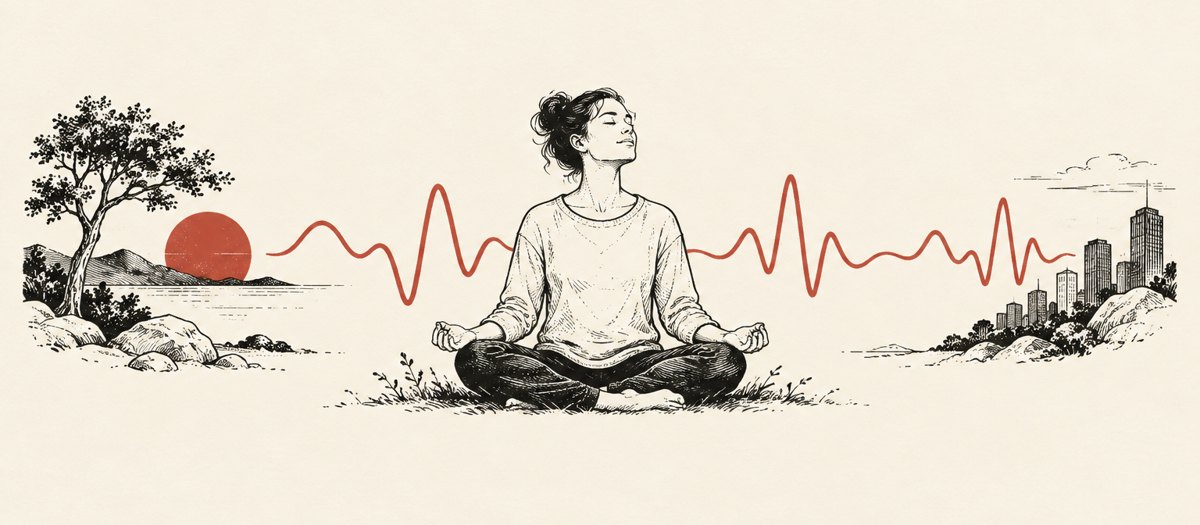
Heart Rate Variability (HRV)
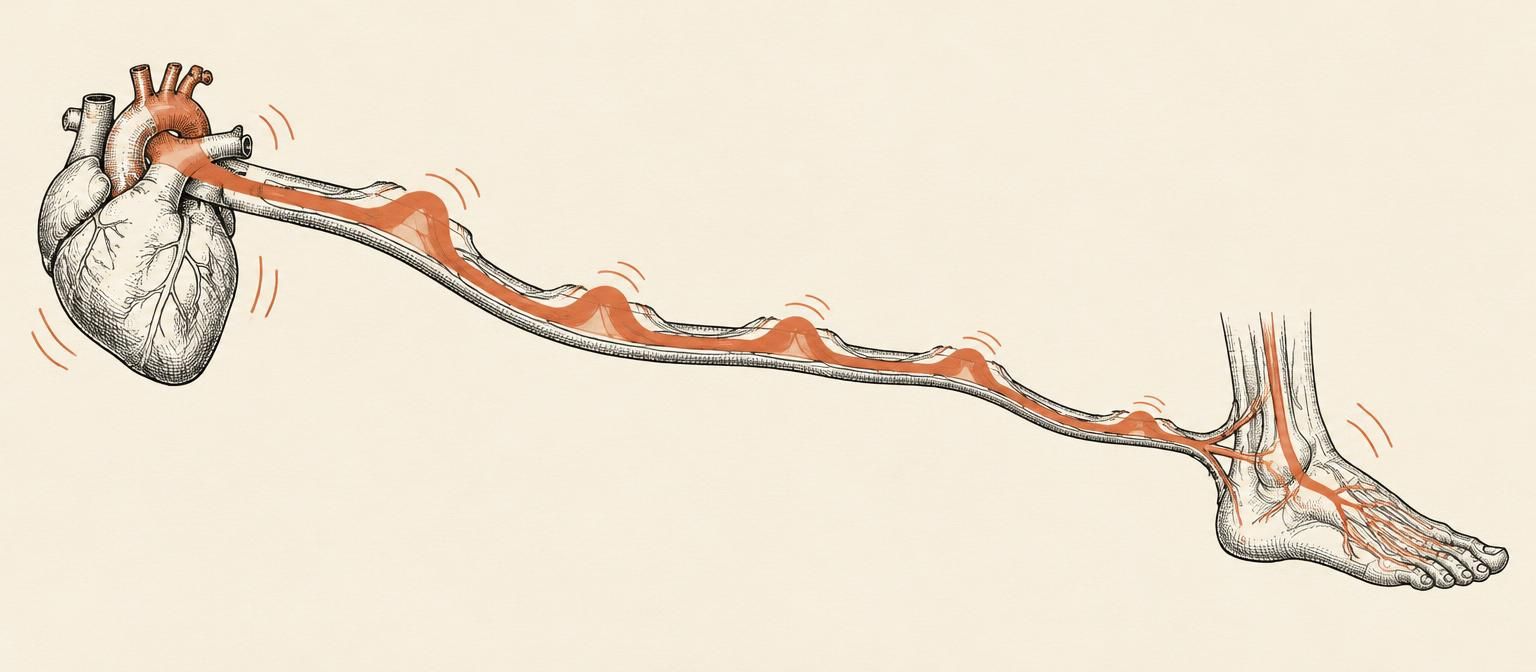
Pulse Wave Velocity (PWV)
Pulse wave velocity measures how fast your heartbeat's pressure wave travels through your arteries. Faster waves mean stiffer arteries, which raise heart risk.

Resting Heart Rate

Standing Heart Rate
Standing heart rate is your pulse measured while you stand on the scale. Tracked daily, it can reveal fitness gains, poor recovery, or dehydration.

Vascular Age
Vascular age estimates how old your arteries act, based on how stiff they are. A vascular age younger than your real age is a good sign for heart health.