Exercise & Movement Health Practices
Exercise and movement practices include resistance training, aerobic conditioning, and everyday physical activities designed to build strength and endurance. Regular physical activity is widely studied for supporting cardiovascular fitness, metabolic flexibility, and physical independence as we age. Members log their training routines to track how different workout modalities influence biomarkers and long-term stamina.
Tracked Practices (53)
Explore protocols, member tracking, and biomarker impact across cardiovascular and strength practices.
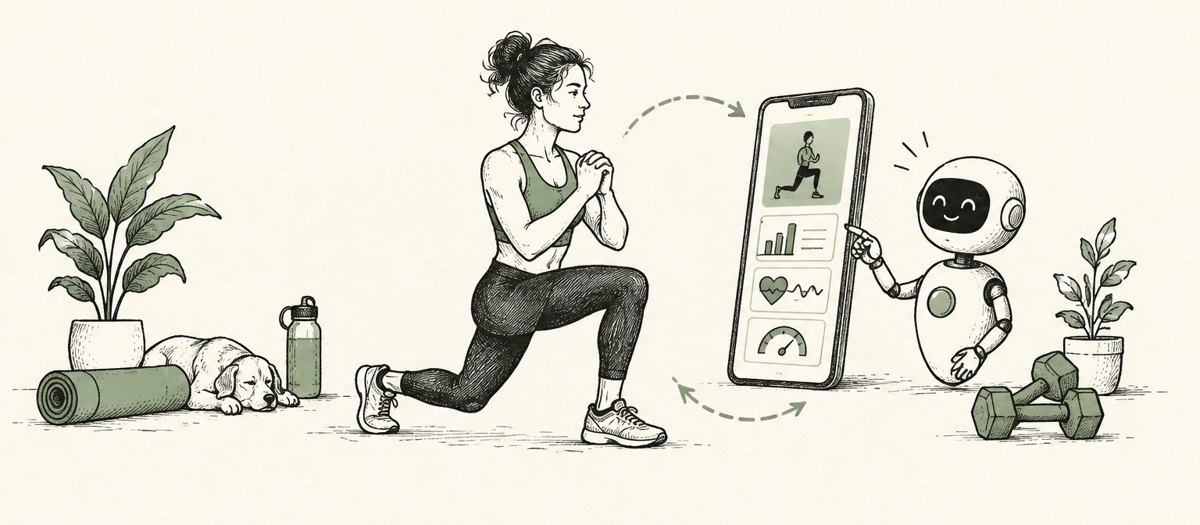
AI Powered Fitness Coaching
Using AI-powered apps that build and adjust your workouts based on your progress and recovery. Popular for helping make training more personal, consistent, and data-driven.
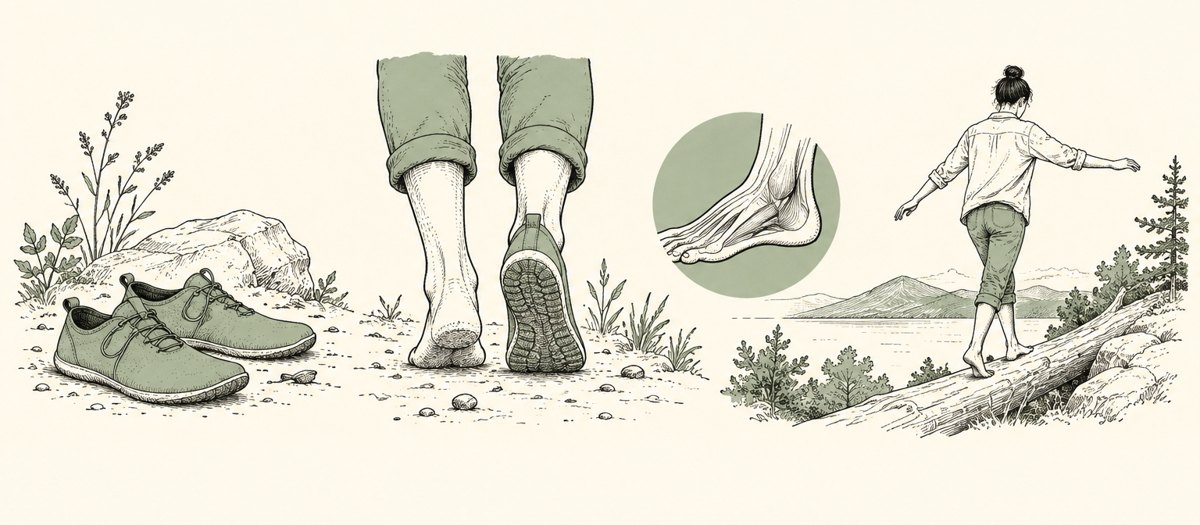
Barefoot and Minimalist Footwear
Wearing thin, flexible shoes or going barefoot to let your feet move more naturally. Often practiced to help strengthen the feet and improve balance, with a slow transition recommended.
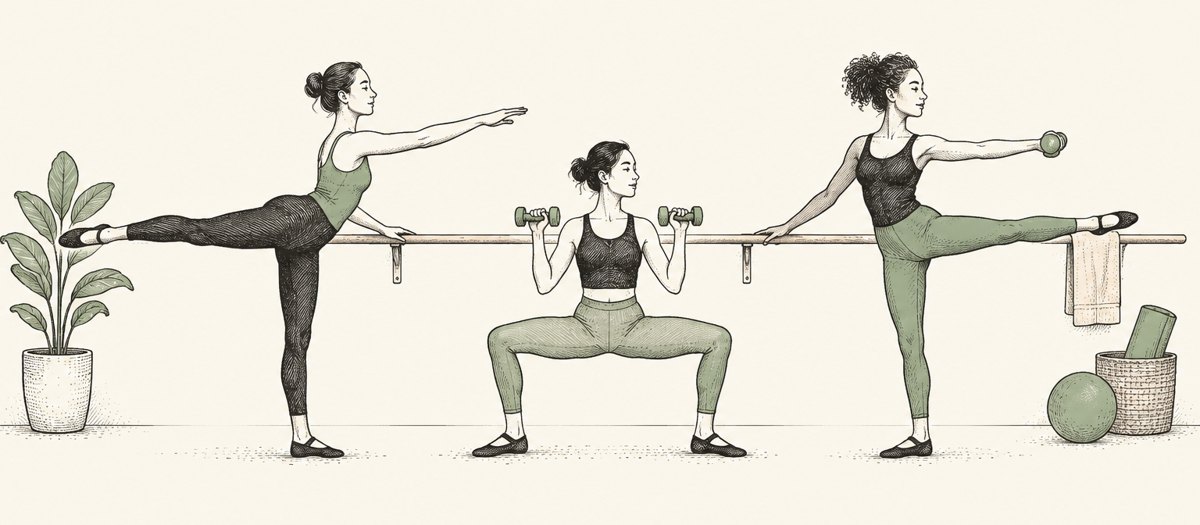
Barre Training
A low-impact workout that blends ballet-style moves with small, controlled pulses and light weights. Many people practice it to help build lower-body strength, improve posture, and support balance and core stability.
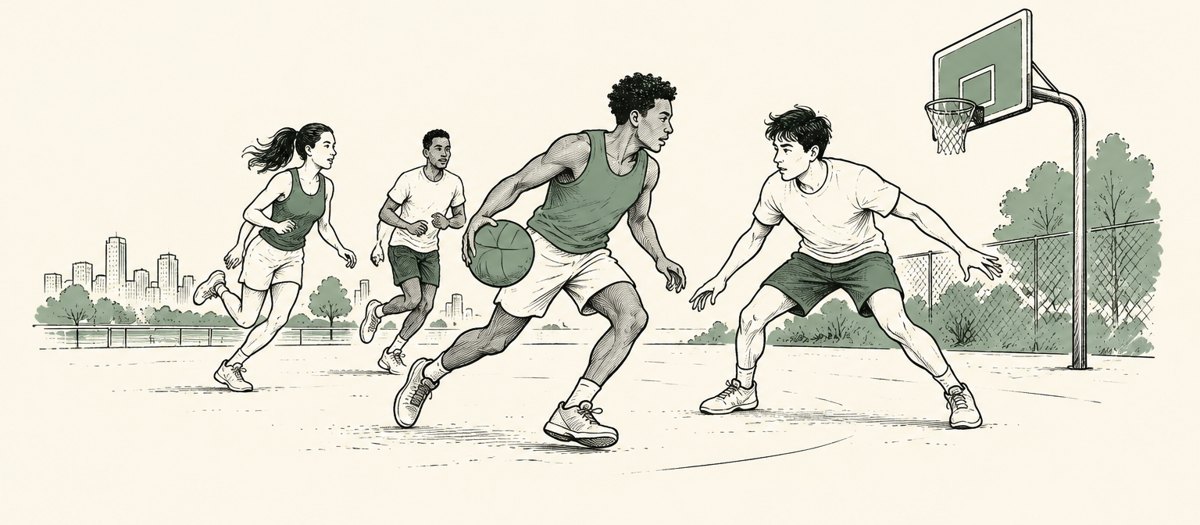
Basketball
A fast-paced team sport built on running, jumping, and quick changes of direction. Players often enjoy it as a fun way to help build cardio fitness, agility, and leg power.
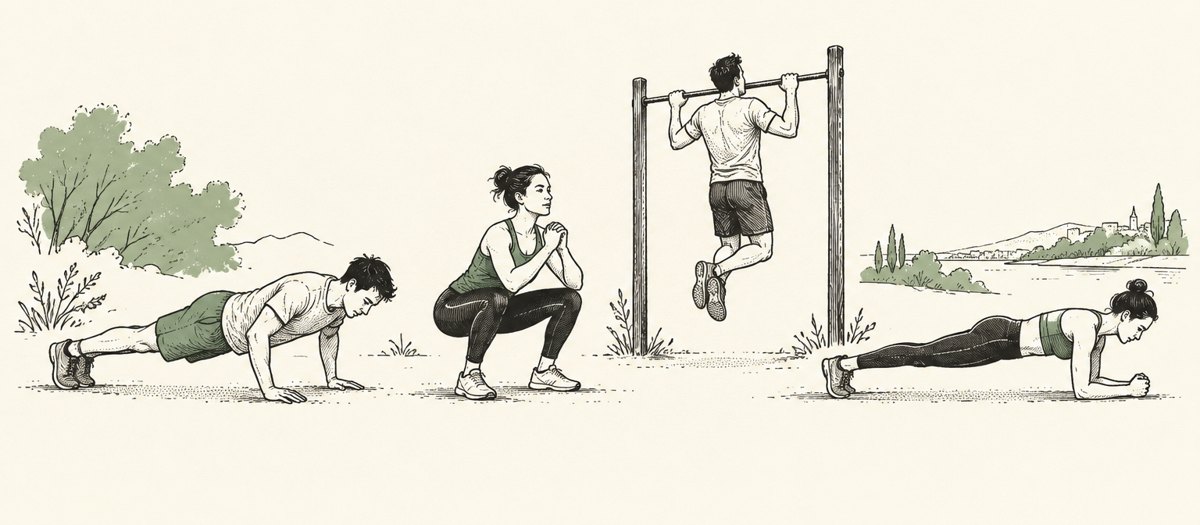
Bodyweight Training
Strength workouts that use your own body weight, such as push-ups, squats, pull-ups, and planks. Popular because it needs little equipment and is commonly used to help build strength, control, and mobility.
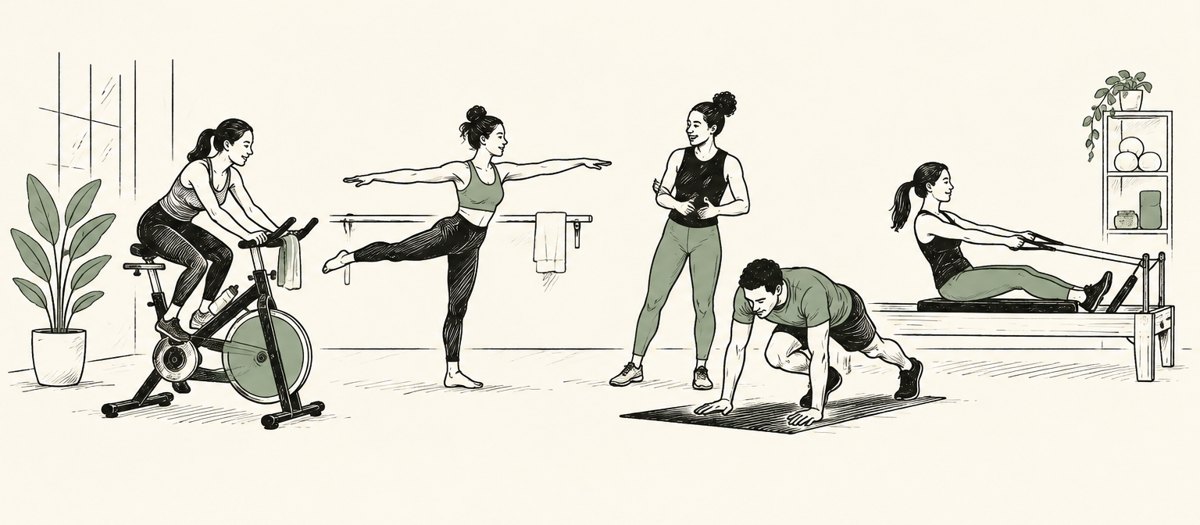
Boutique Studio Fitness
Small, instructor-led classes such as spin, barre, HIIT, or reformer Pilates in a studio setting. Popular for the motivation, coaching, and community that help people stay consistent.
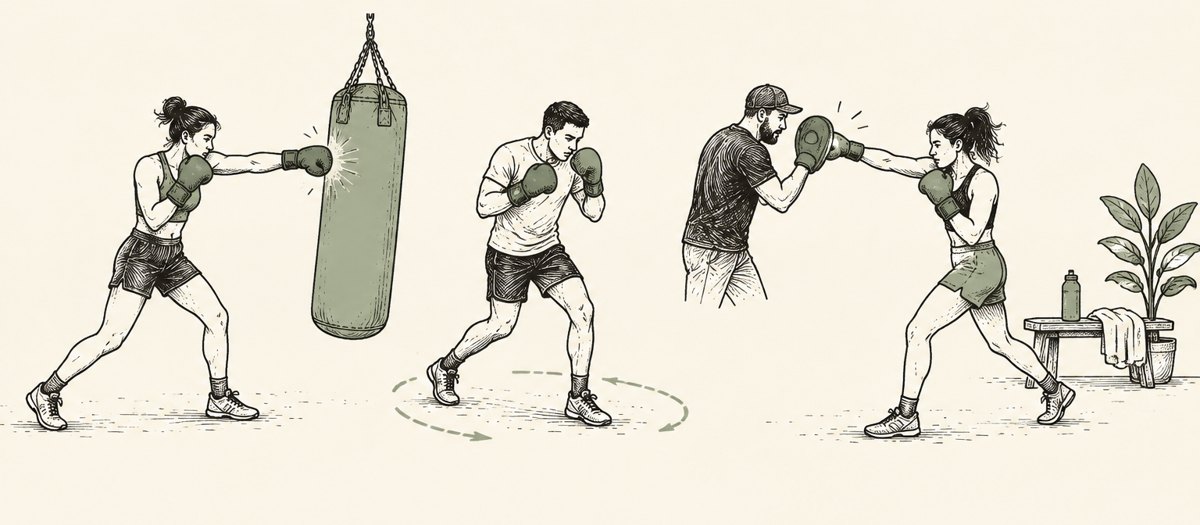
Boxing Training
Boxing-style workouts that combine punching drills, footwork, and bag or mitt work. Often practiced to help improve cardio fitness, upper-body conditioning, coordination, and stress relief.
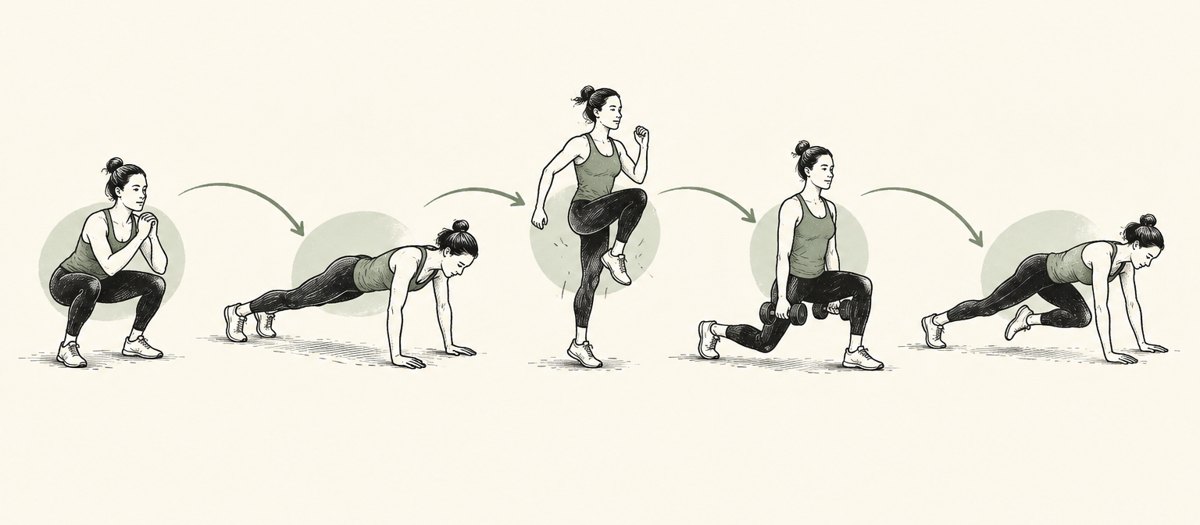
Circuit Training
A workout that moves quickly through a series of strength and cardio exercises with little rest in between. Commonly used to help build muscular endurance and get a full-body workout in less time.

Climbing
Indoor bouldering or outdoor rock climbing that challenges your whole body to move up a wall. Many people climb to help build grip strength, upper-body power, problem-solving skills, and mobility.
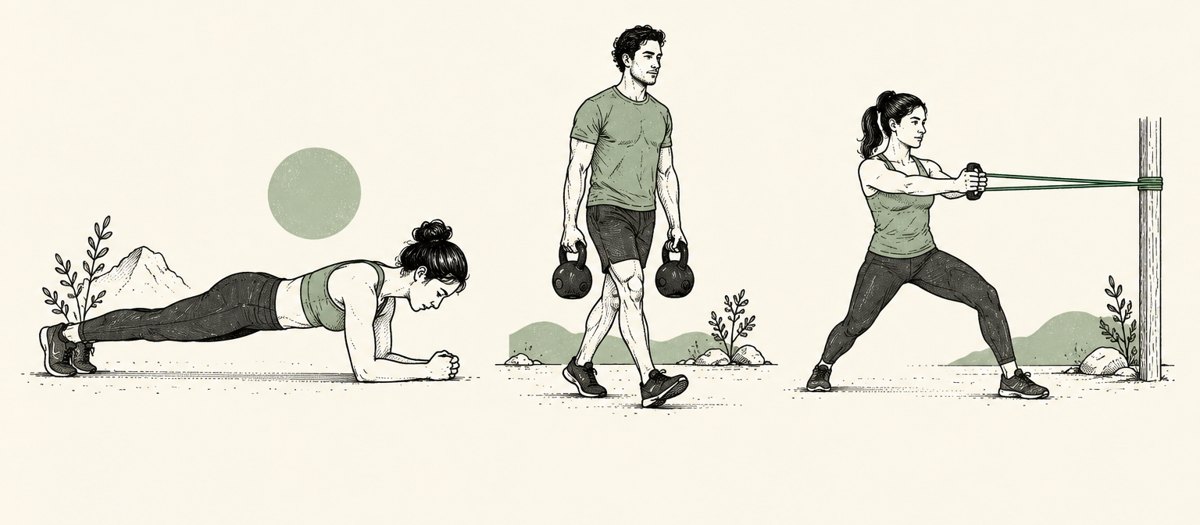
Core Training
Focused exercises, like planks, carries, and anti-rotation drills, that train the muscles around your trunk and hips. Often practiced to help support posture, protect the lower back, and improve athletic movement.
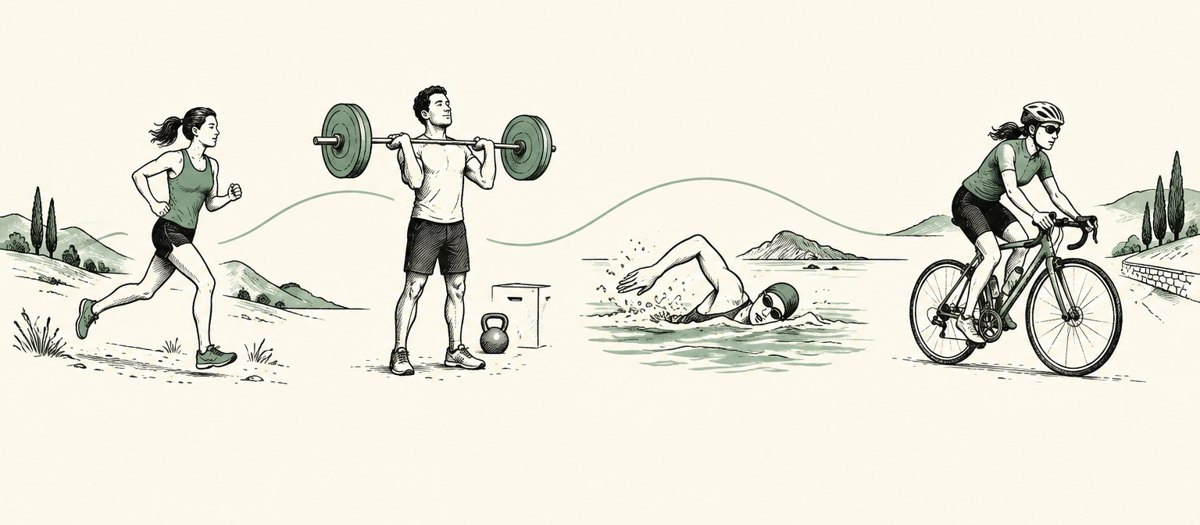
Cross Training
Mixing different types of exercise, such as running, lifting, swimming, and cycling, across your training week. Commonly used to help build well-rounded fitness and reduce strain from repeating the same movements.
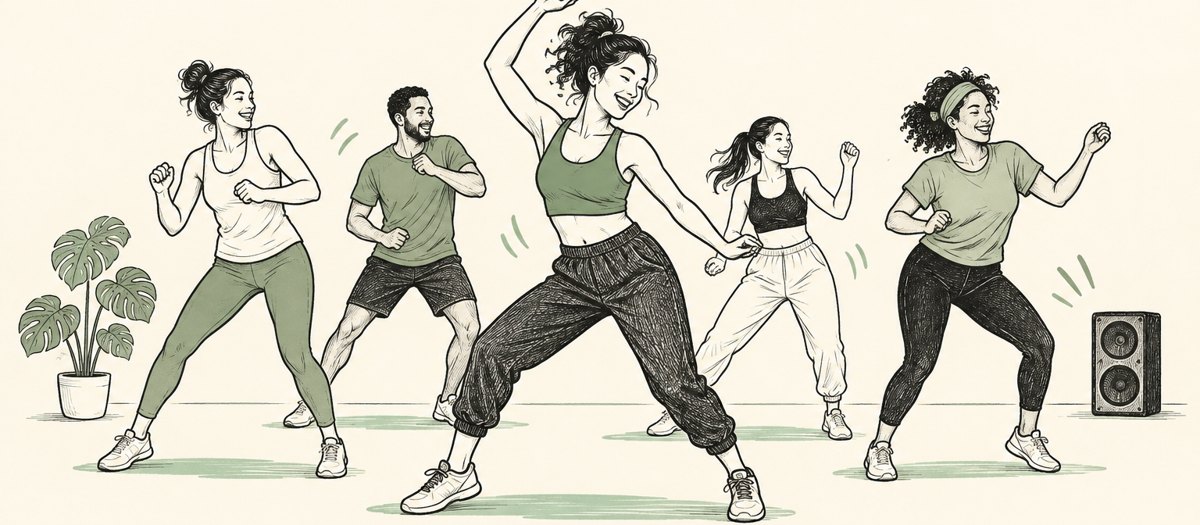
Dance Fitness
Upbeat, music-driven workouts like Zumba or dance cardio classes. Popular as a fun way to help raise heart rate, improve coordination, and lift mood.
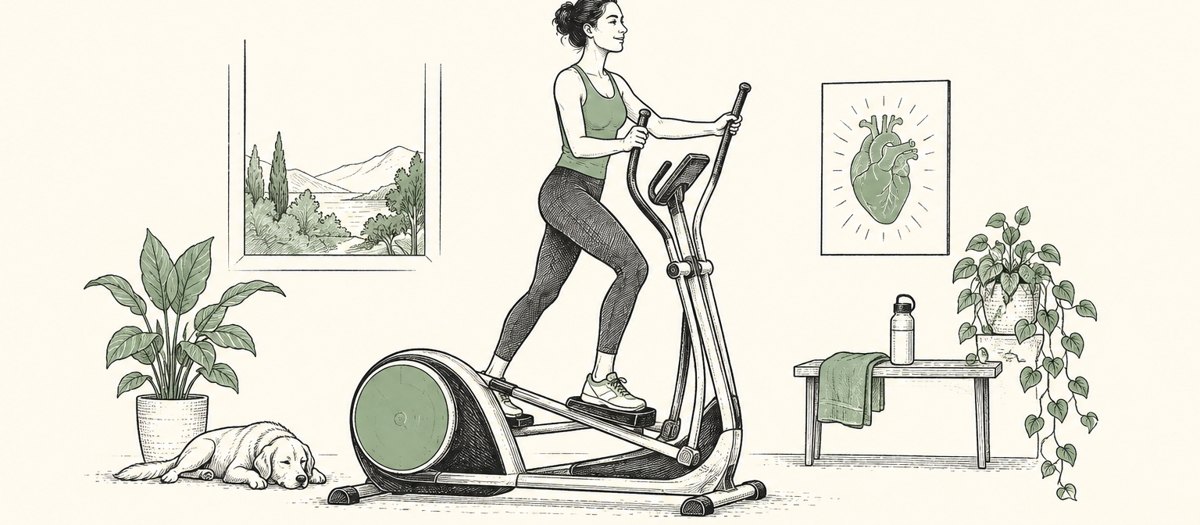
Elliptical Training
Cardio workouts on an elliptical machine that move your arms and legs in a smooth, gliding motion. Often chosen as a joint-friendly way to help build heart health and endurance.
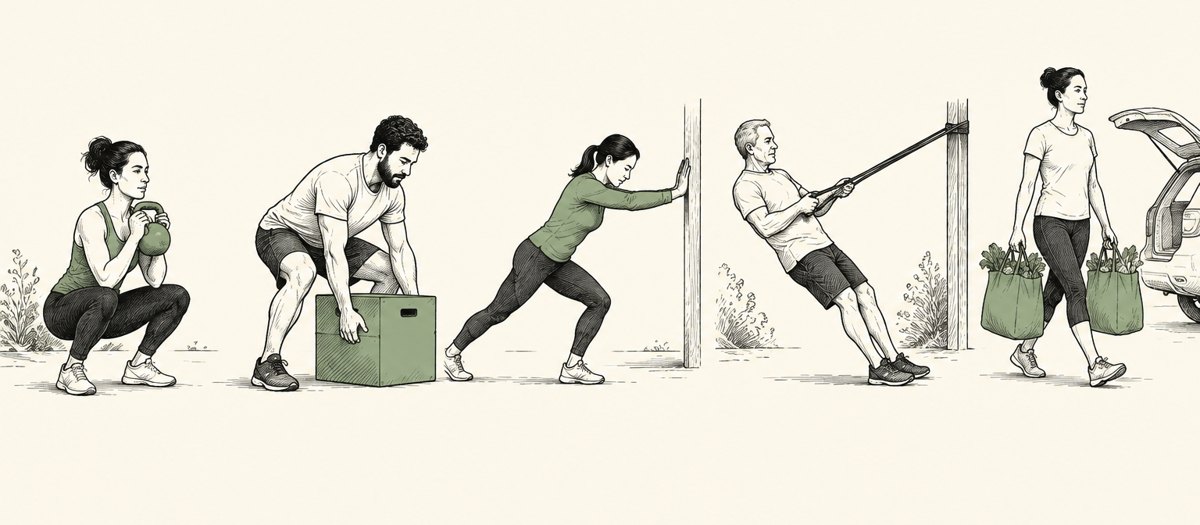
Functional Strength Training
Strength training built around real-life movements like squatting, lifting, pushing, pulling, and carrying. Commonly practiced to help make daily tasks easier and support injury resilience.

Golf
Playing golf while walking the course instead of riding in a cart. Many golfers walk to help add thousands of daily steps and light activity during a relaxing round.
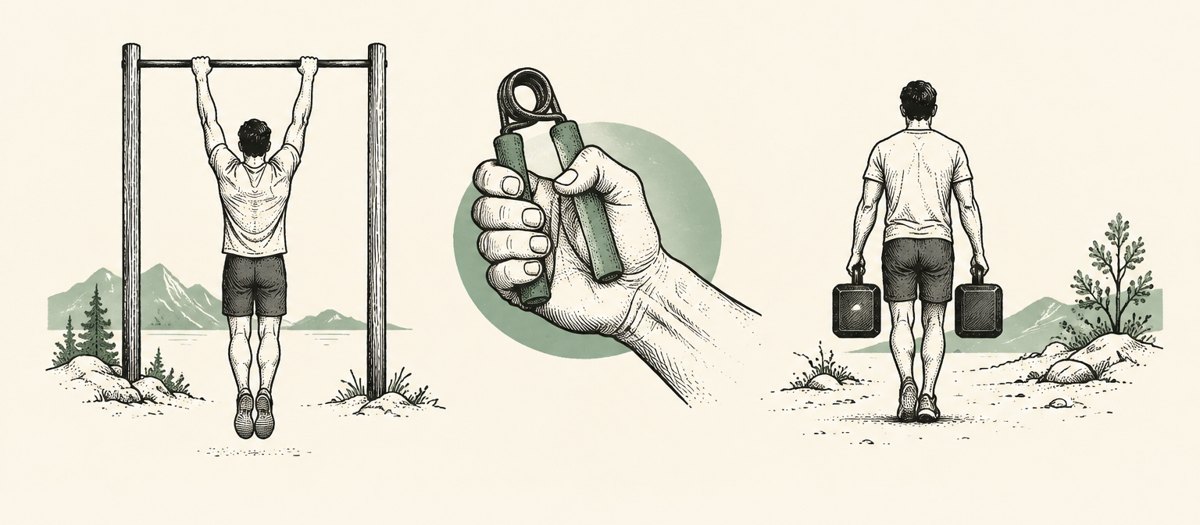
Grip Strength Training
Exercises like dead hangs, farmer's carries, and grip trainers that strengthen your hands and forearms. Often practiced because grip strength is studied as a marker of healthy aging.
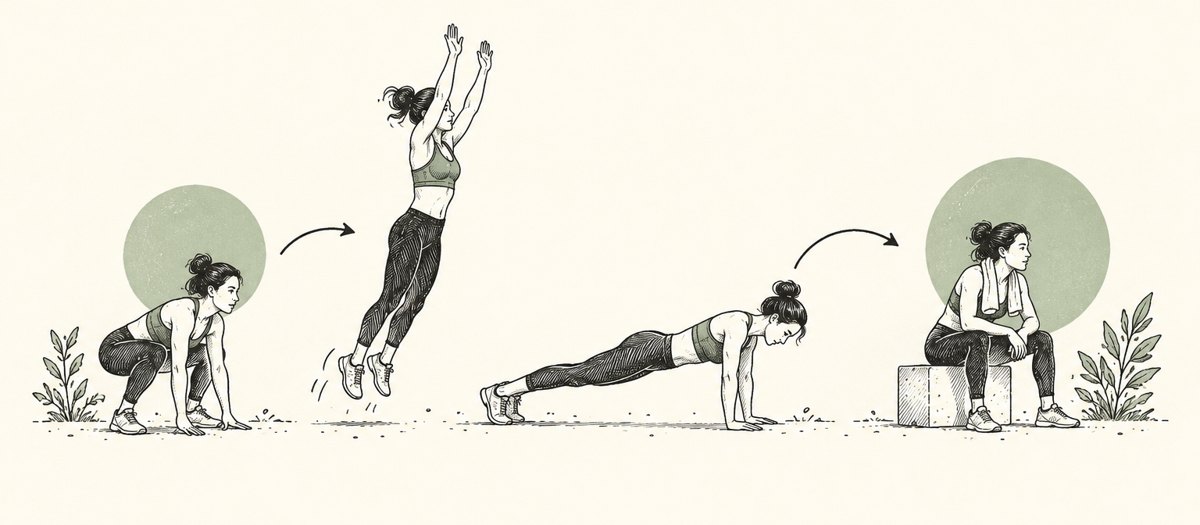
High-Intensity Interval Training (HIIT)
A training style that alternates short bursts of hard effort with brief rest periods. It is popular for helping improve cardio fitness in less time and is studied for its potential effects on insulin sensitivity.

Hiking
Walking on natural trails, often with hills and uneven ground. Many people hike to help build endurance and leg strength while getting the mental benefits of time in nature.
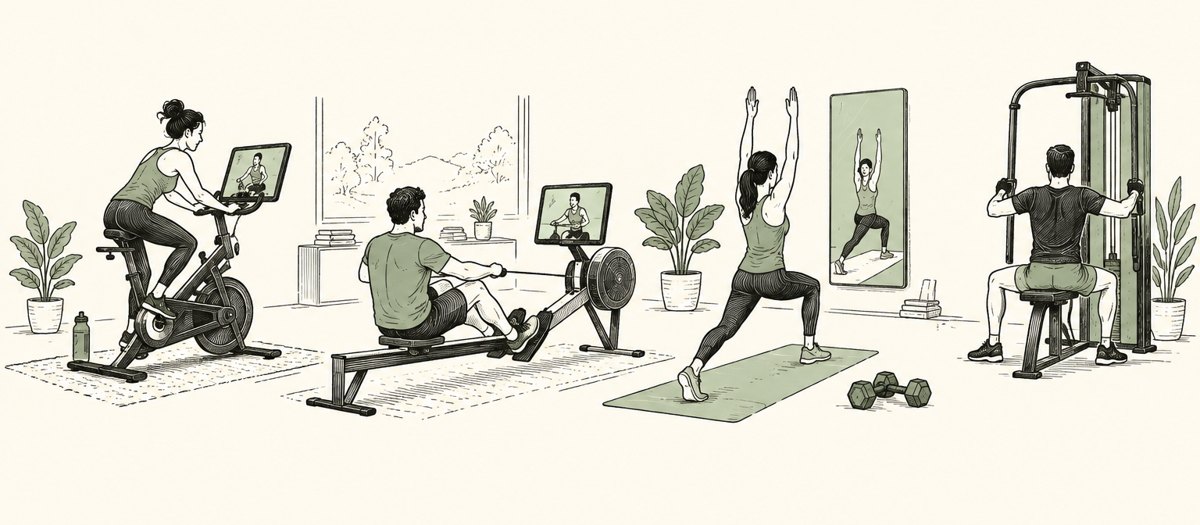
Home Smart Gym Equipment
Connected home equipment, like smart bikes, rowers, mirrors, and strength machines, with built-in classes. Popular for helping make home workouts convenient, guided, and trackable.
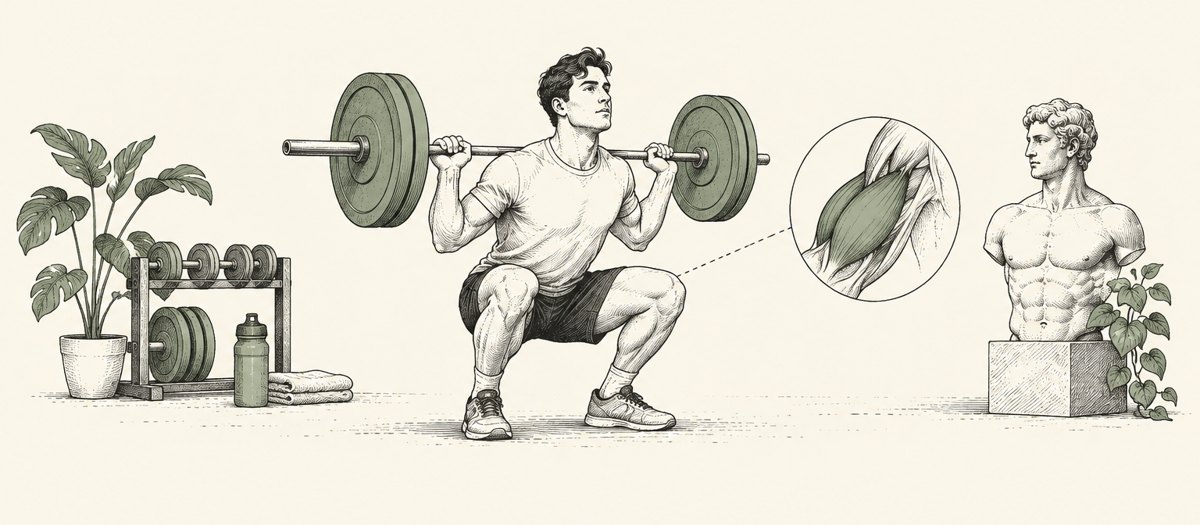
Hypertrophy Focused Training
Lifting with moderate weights and higher reps, with a focus on making muscles grow. Commonly practiced to help build muscle size, strength, and a healthy metabolism.
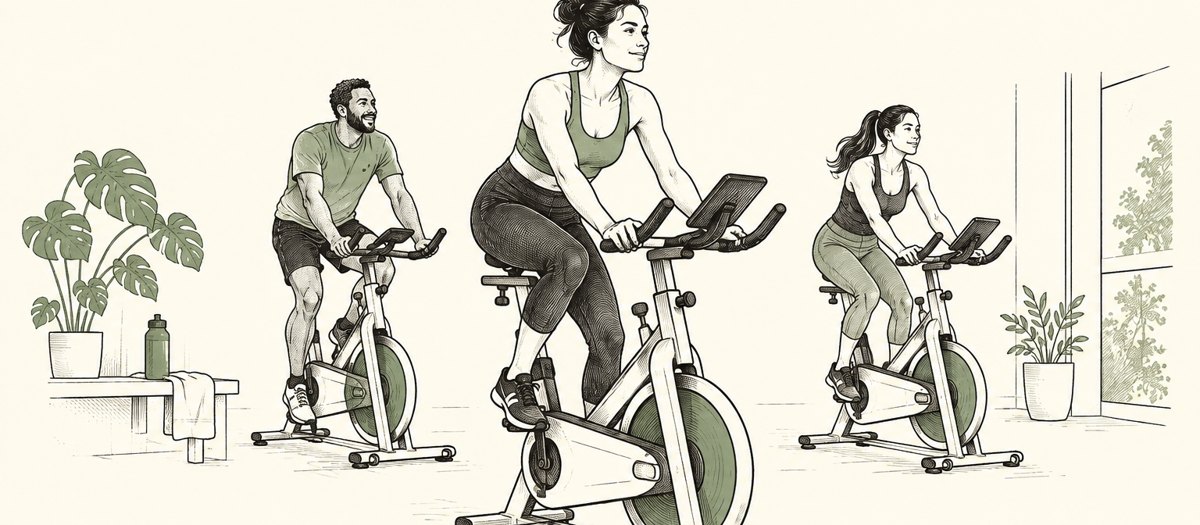
Indoor Cycling
Riding a stationary bike at home or in a spin class. Commonly used as a low-impact way to help build heart health, endurance, and leg strength.
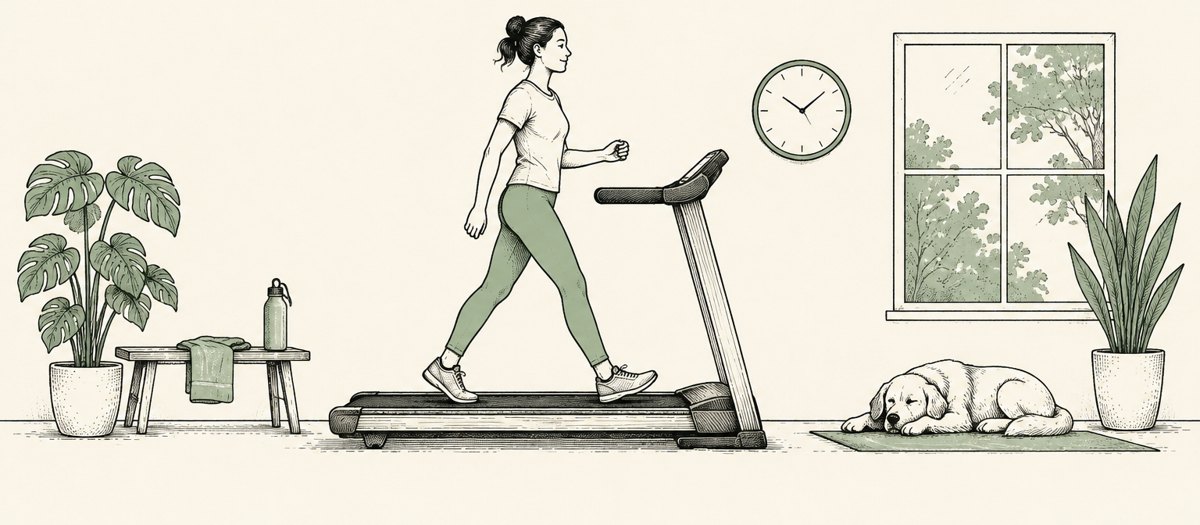
Indoor Walking
Walking on a treadmill or indoor track, often on a set schedule. Popular as a weather-proof way to help hit daily step goals and support heart health.
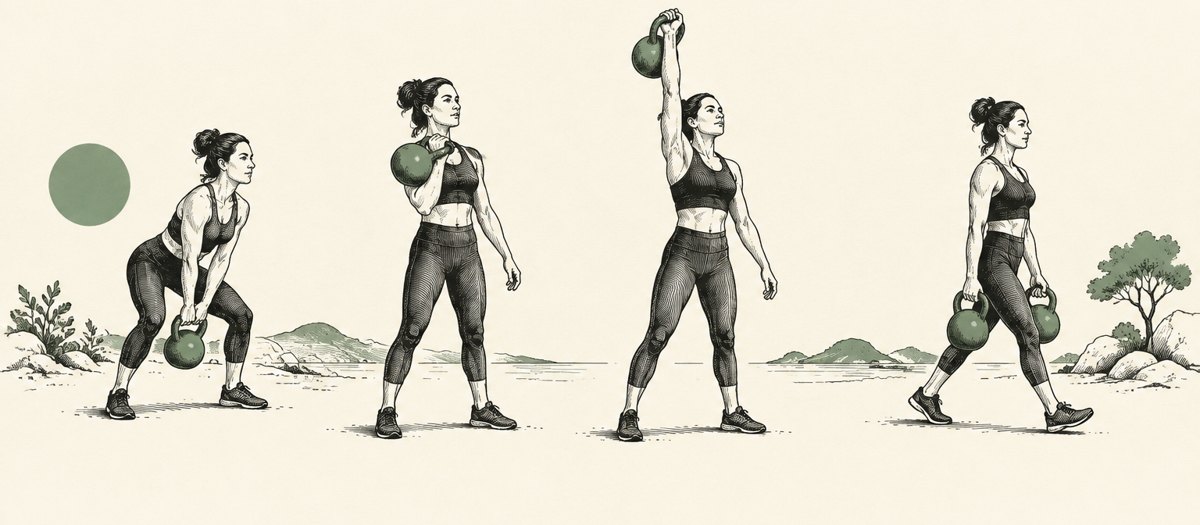
Kettlebell Training
Workouts using a cast-iron ball with a handle for swings, cleans, presses, and carries. Popular for helping build strength, power, and cardio fitness in one efficient session.
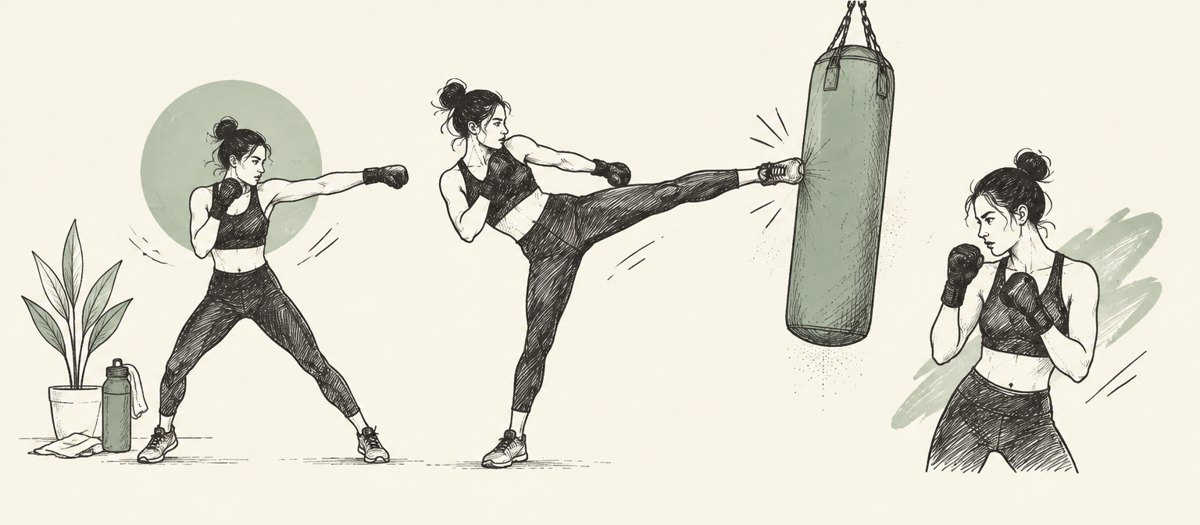
Kickboxing
A high-energy workout that combines punches and kicks with cardio drills. Often practiced to help build endurance, strength, coordination, and confidence.
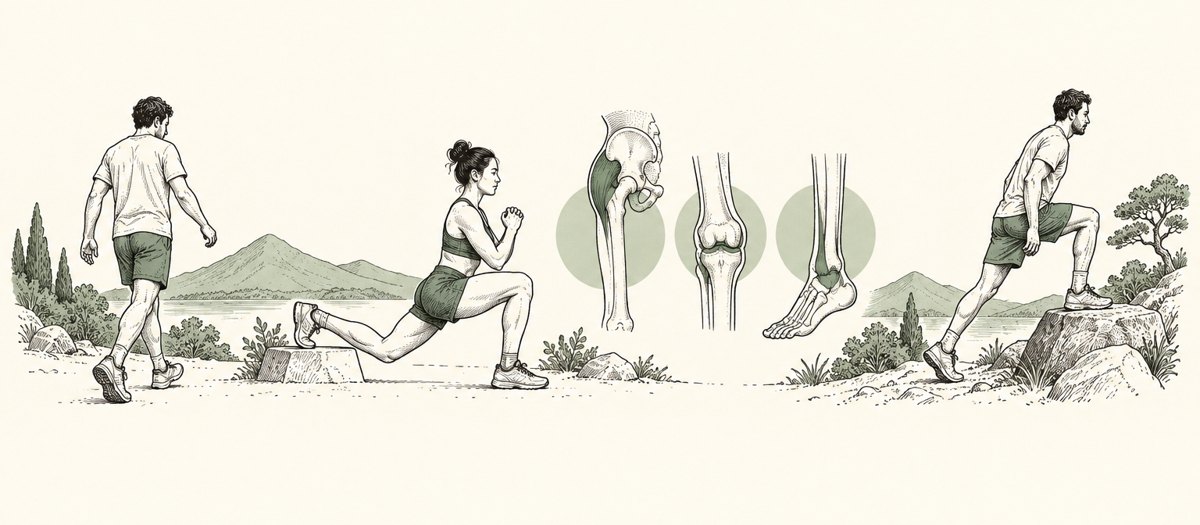
Knees Over Toes Training
A training method that builds strength through full-range moves for the knees, ankles, and hips, such as backward walking and deep split squats. Popular among people hoping to help bulletproof their knees and move more freely.
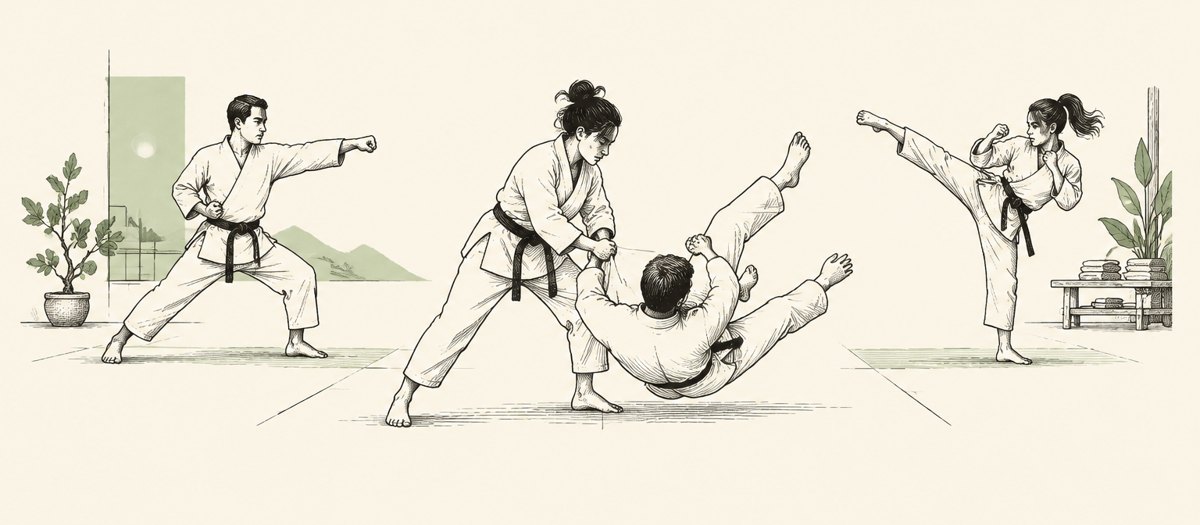
Martial Arts Training
Regular practice of a martial art such as jiu-jitsu, karate, judo, or Muay Thai. Many people train to help build strength, flexibility, discipline, and self-defense skills.
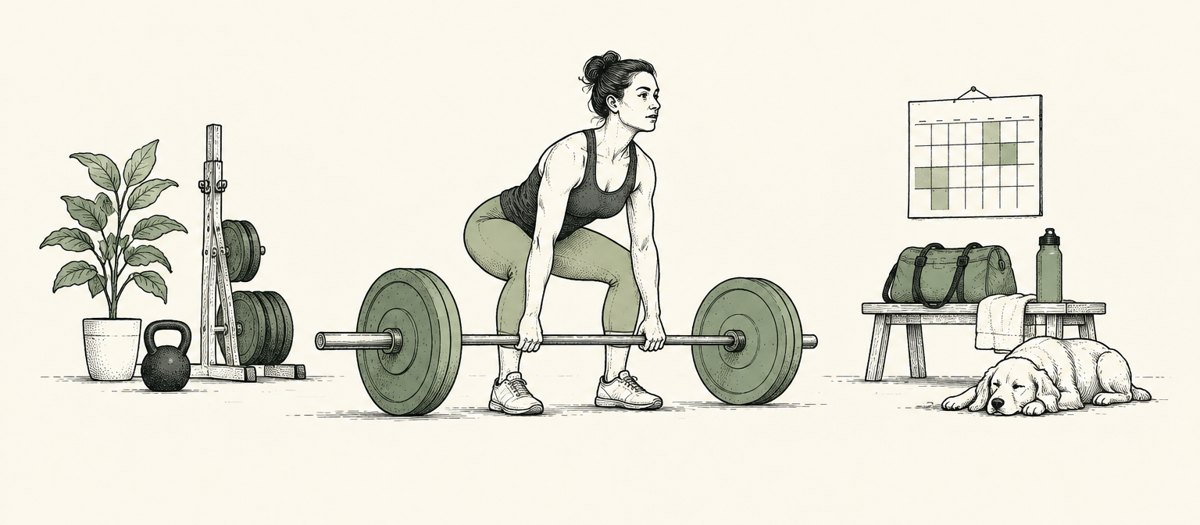
Minimalist Lifting Programs
Simple strength programs built around a few key lifts done two or three times a week. Popular among busy people hoping to help build real strength with less time in the gym.
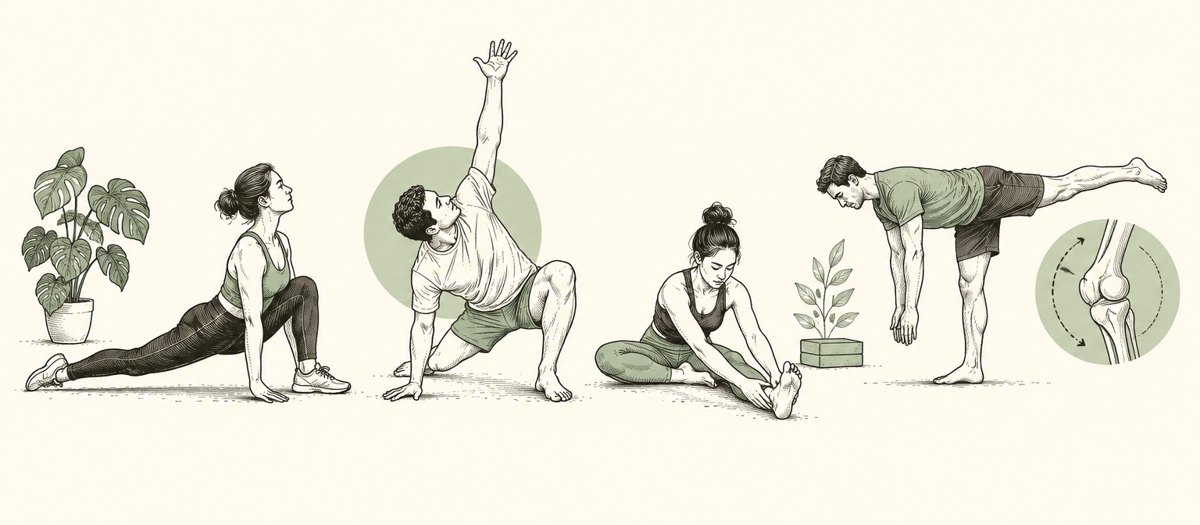
Mobility & Prehab Training
Targeted drills that work your joints through their full range of motion and strengthen small supporting muscles. Commonly used to help maintain flexibility, move more freely, and lower the risk of injury.
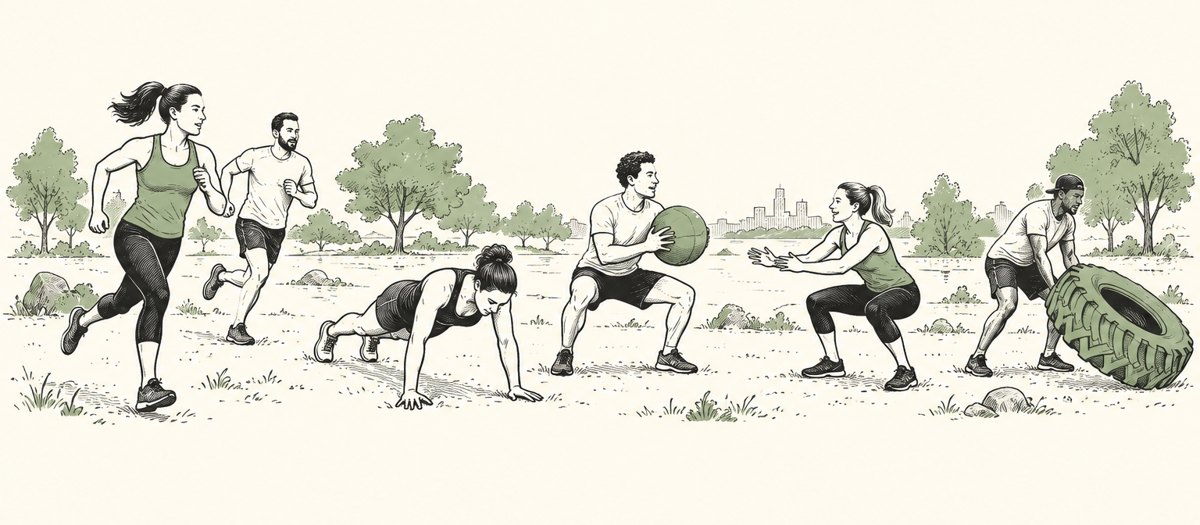
Outdoor Bootcamp
Group workouts held outdoors that mix running, bodyweight moves, and team challenges. Popular for helping build full-body fitness with the motivation of a group.
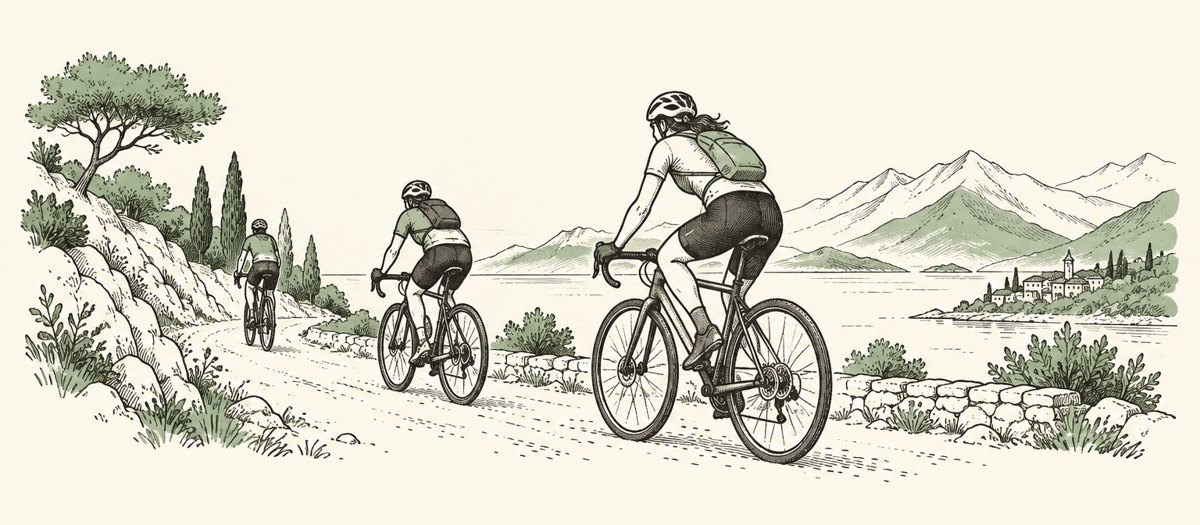
Outdoor Cycling
Riding a road, gravel, or mountain bike outdoors for fitness, commuting, or fun. Many people ride to help build aerobic endurance and leg strength while enjoying time outside.
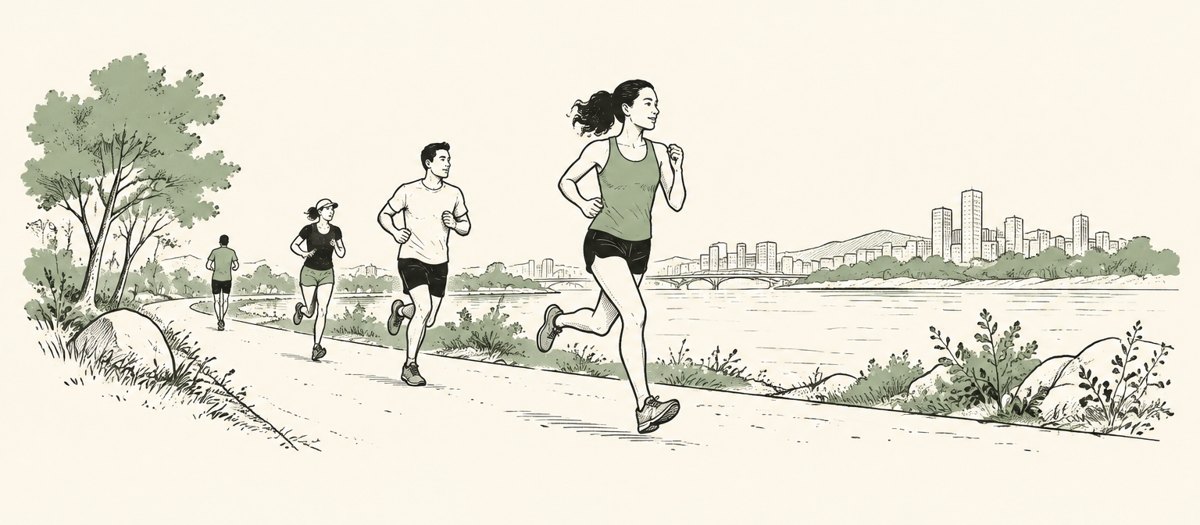
Outdoor Running
Running on roads, paths, or tracks as part of a regular routine. Many people run to help build endurance, support heart health, and clear their minds.

Outdoor Walking
Walking outside on a regular schedule, whether for exercise, errands, or enjoyment. One of the most popular habits for helping support heart health, daily movement, and mood.
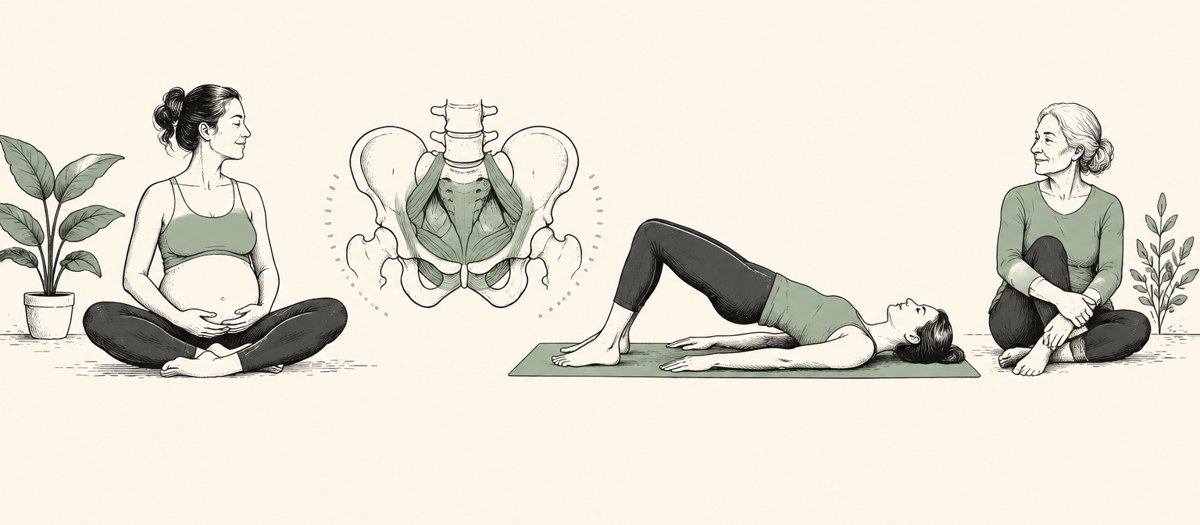
Pelvic Floor Training
Exercises that strengthen and relax the muscles supporting the bladder, bowel, and uterus. Commonly practiced during and after pregnancy and with age to help support bladder control and core strength.
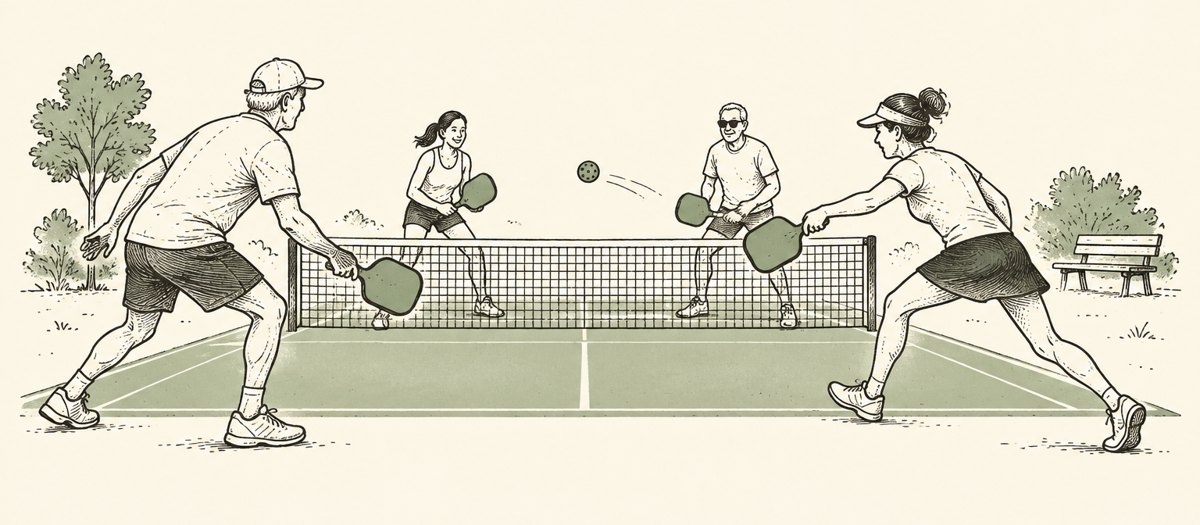
Pickleball
A paddle sport that blends parts of tennis, badminton, and ping-pong on a small court. Popular with all ages as a social way to help stay active and improve balance and reflexes.
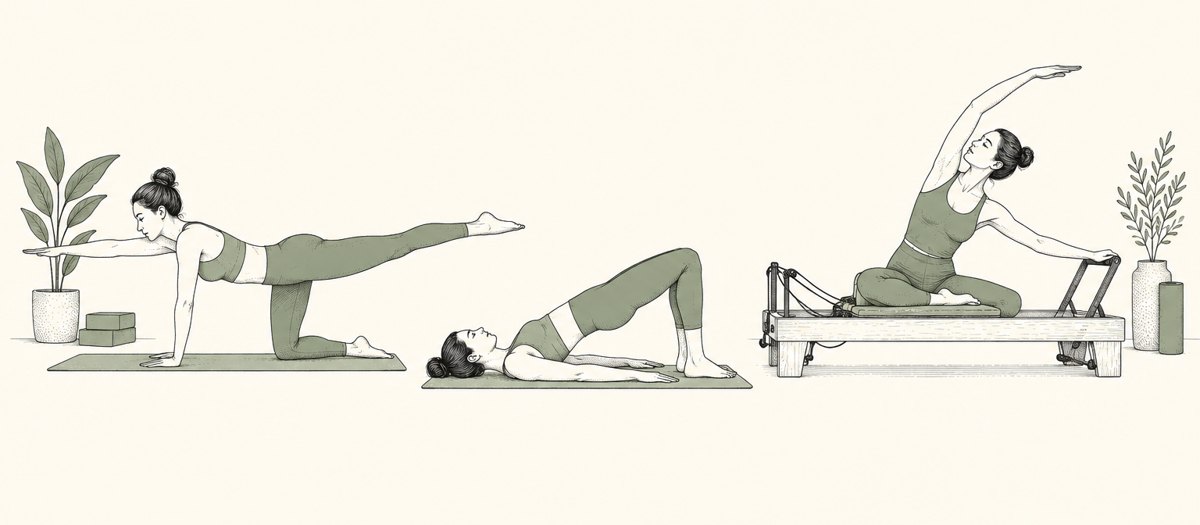
Pilates
Controlled, low-impact exercises done on a mat or reformer machine with a focus on the core. Often practiced to help build core strength, posture, flexibility, and body awareness.
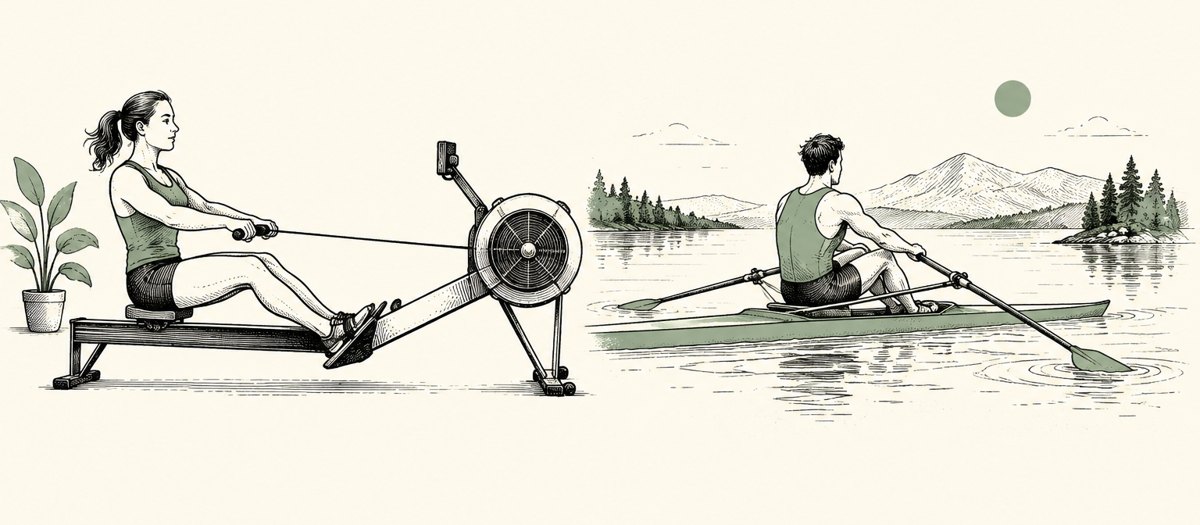
Rowing
Training on a rowing machine or on the water using the legs, core, and arms in one motion. Commonly used to help build full-body strength and cardio endurance with low impact on the joints.
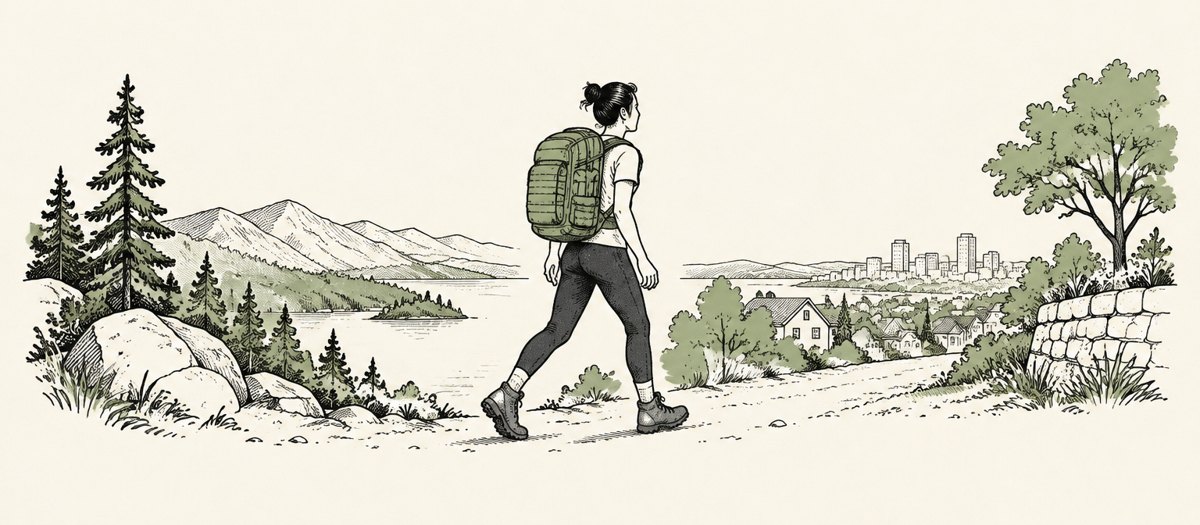
Rucking
Walking with a weighted backpack, often on trails or around your neighborhood. Popular for helping build endurance, leg and back strength, and burn more energy than regular walking.
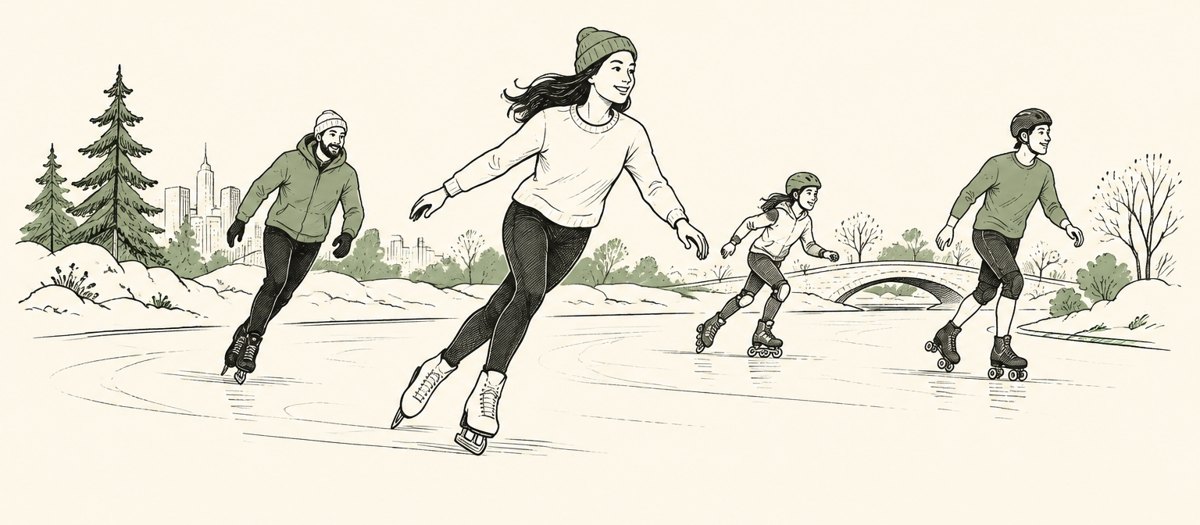
Skating
Ice skating, roller skating, or inline skating for fitness and fun. Many people skate to help build leg strength, balance, and cardio fitness.
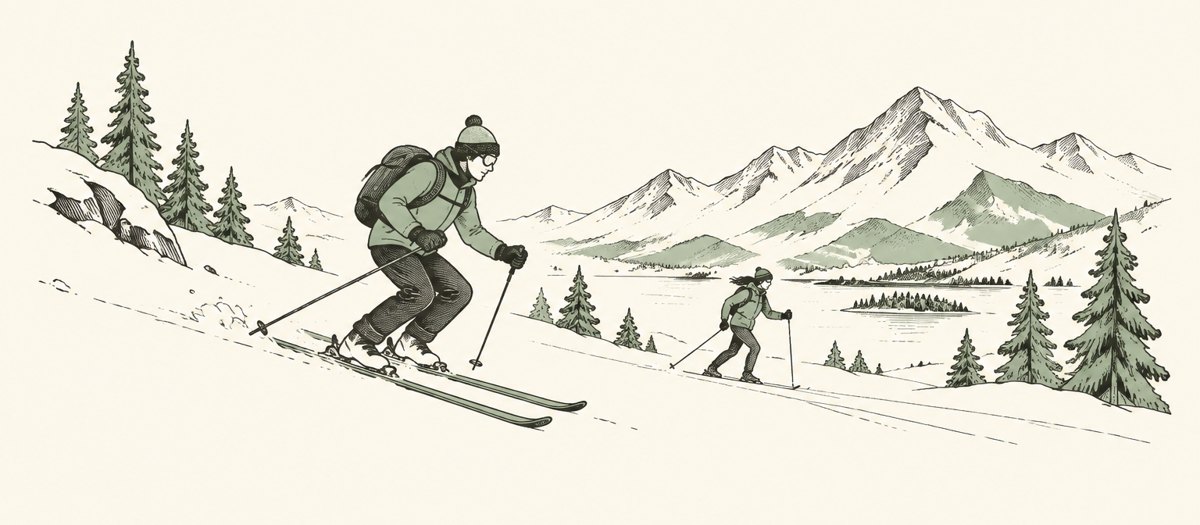
Skiing
Downhill or cross-country skiing as a seasonal sport. Skiers often enjoy it as a way to help build leg strength, balance, and endurance in the outdoors.

Snowboarding
Riding a snowboard down snowy slopes as a seasonal sport. Popular for helping build leg and core strength, balance, and coordination.
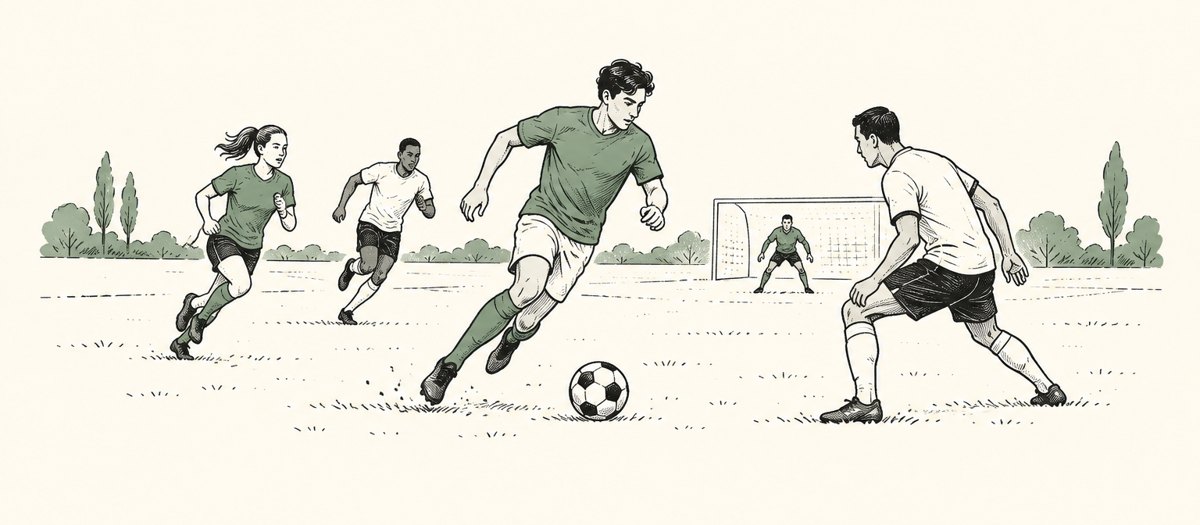
Soccer
A team sport that combines running, sprinting, and ball control on a large field. Players often enjoy it as a way to help build endurance, speed, and agility.
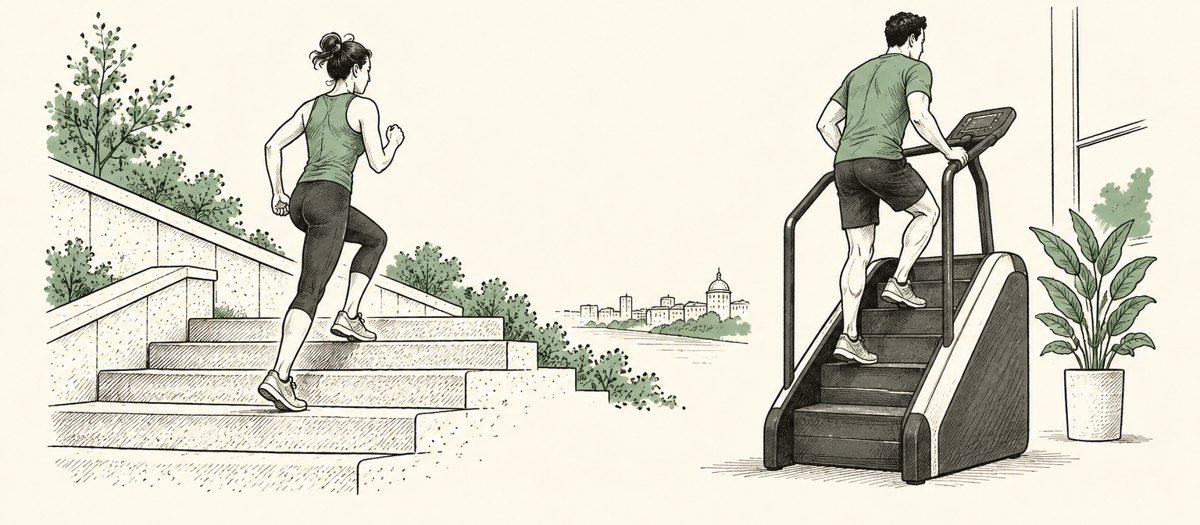
Stair Climbing
Walking or running up stairs or using a stair-climber machine. Commonly used to help build leg strength and cardio fitness in a short amount of time.
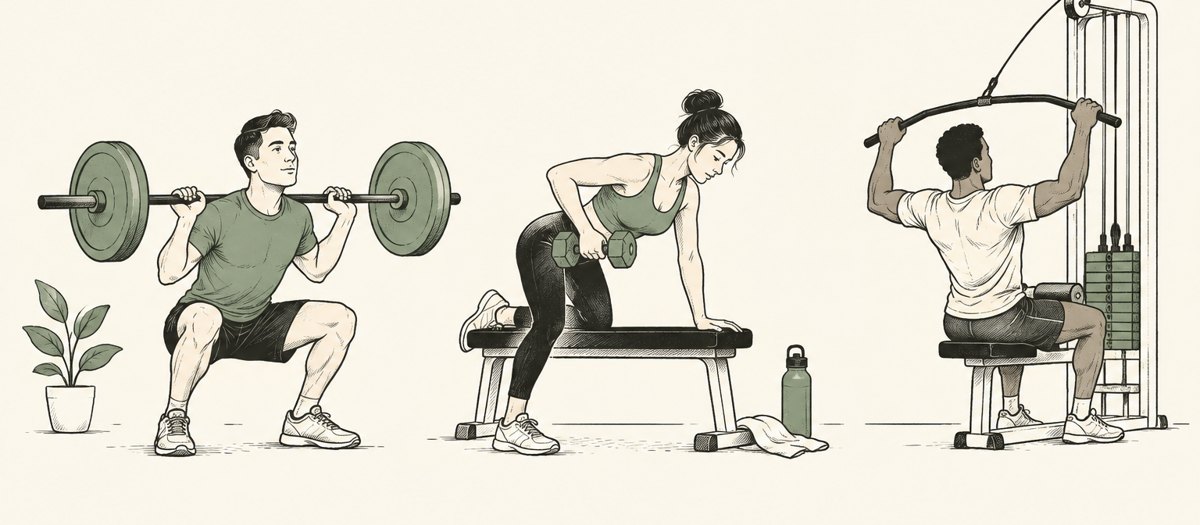
Strength Training
Lifting weights or using resistance bands and machines to make your muscles work against a load. One of the most popular practices for helping build and keep muscle, support bone density, and maintain metabolic health.
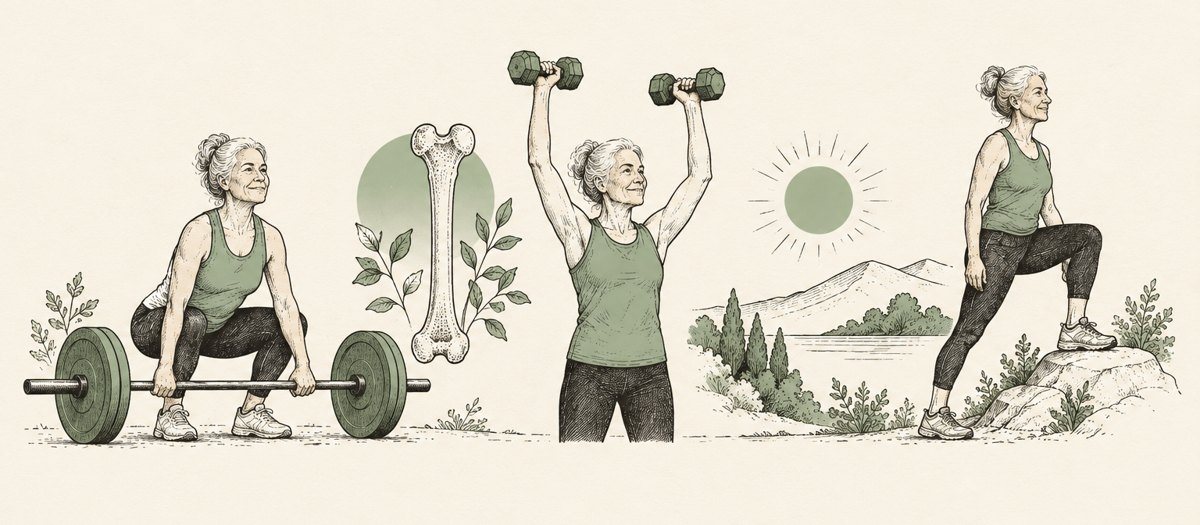
Strength Training for Longevity
Strength training with a focus on keeping muscle, bone, and function as you age. Often practiced to help protect bone density, maintain metabolic health, and lower the risk of falls.
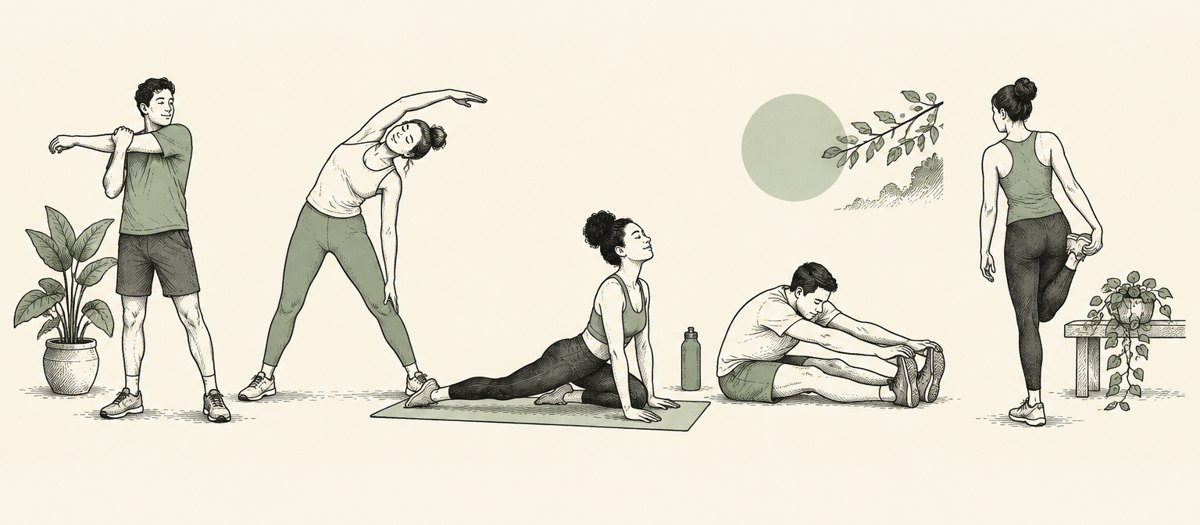
Stretching
A daily routine of holding or moving through stretches for the major muscle groups. Often practiced to help improve flexibility, ease stiffness, and support relaxation.

Swimming
Swimming laps or doing water workouts in a pool or open water. Popular as a joint-friendly way to help build full-body endurance and lung capacity.
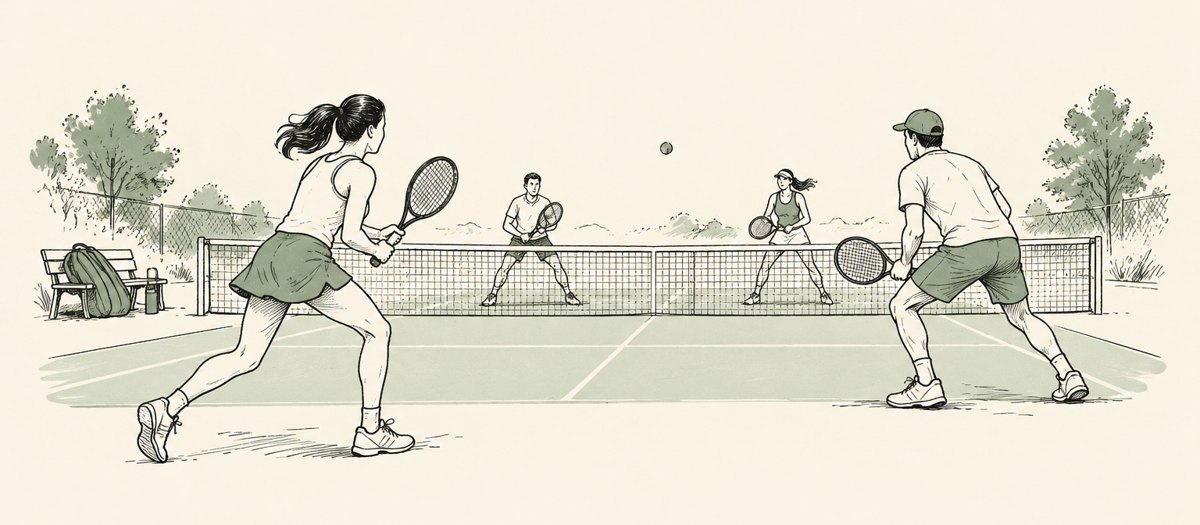
Tennis
A racquet sport played in singles or doubles that combines sprinting, swinging, and quick footwork. Players often enjoy it as a social way to help build cardio fitness, agility, and coordination.
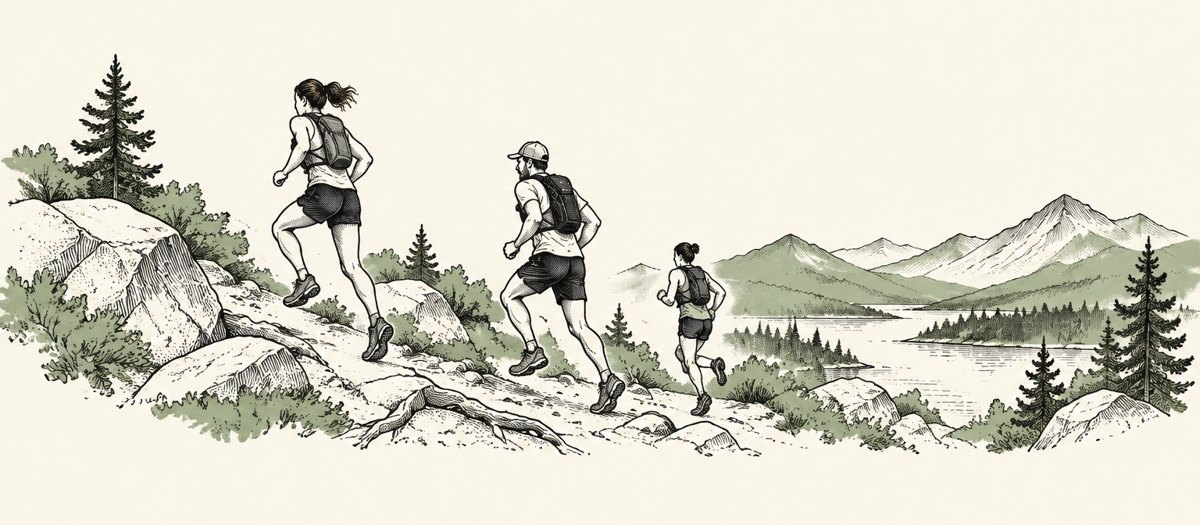
Trail Running
Running on natural trails with hills, roots, and rocks instead of pavement. Many runners enjoy it to help build endurance, balance, and leg strength while spending time in nature.
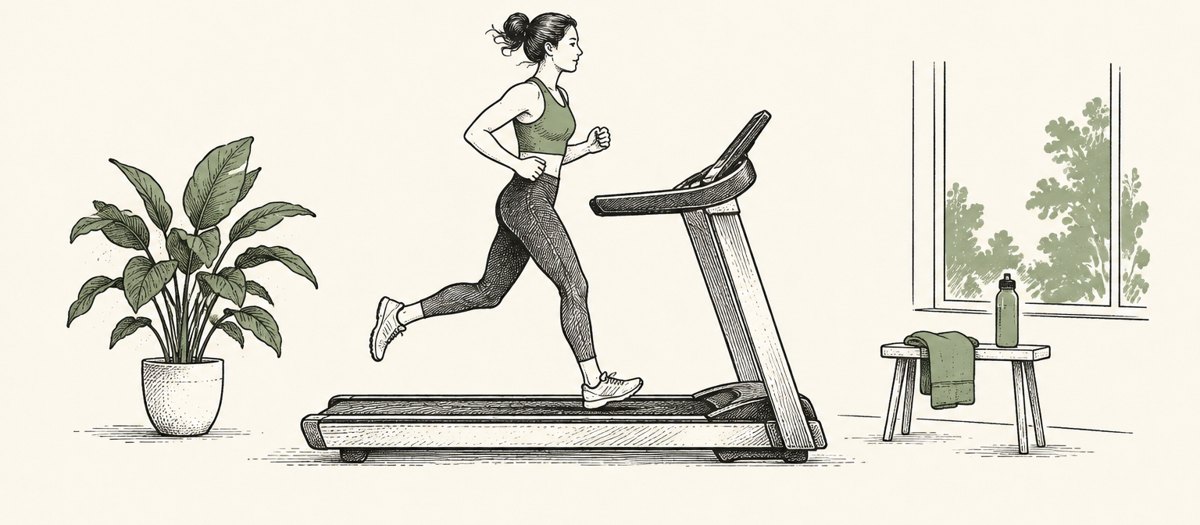
Treadmill Running
Running on a treadmill with set speeds, inclines, or intervals. Commonly used as a controlled, weather-proof way to help build endurance and track progress.
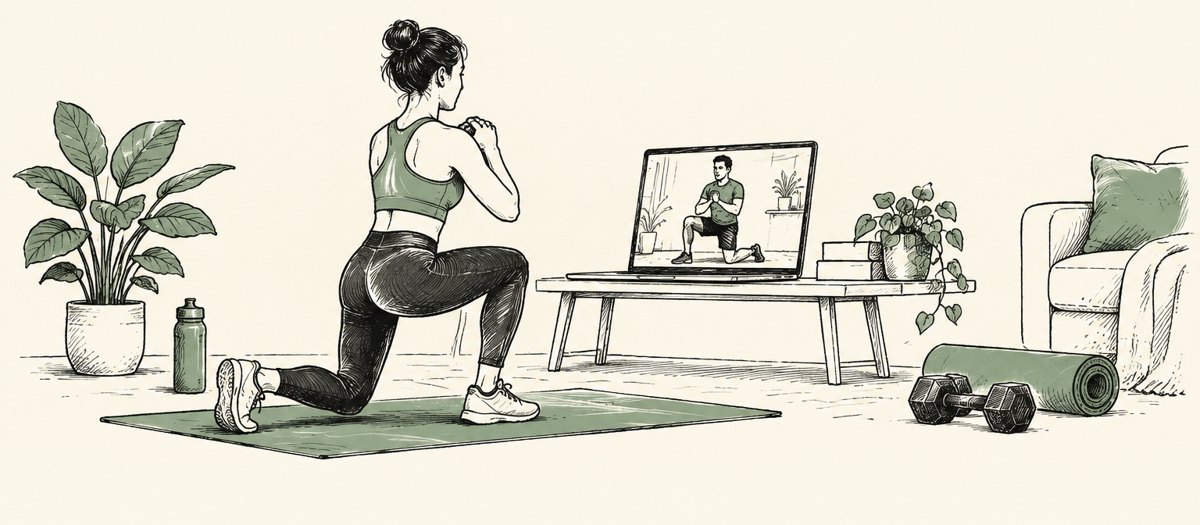
Virtual Personal Training
Working with a personal trainer through video calls or a coaching app. Commonly used to help get expert guidance and accountability without going to a gym.
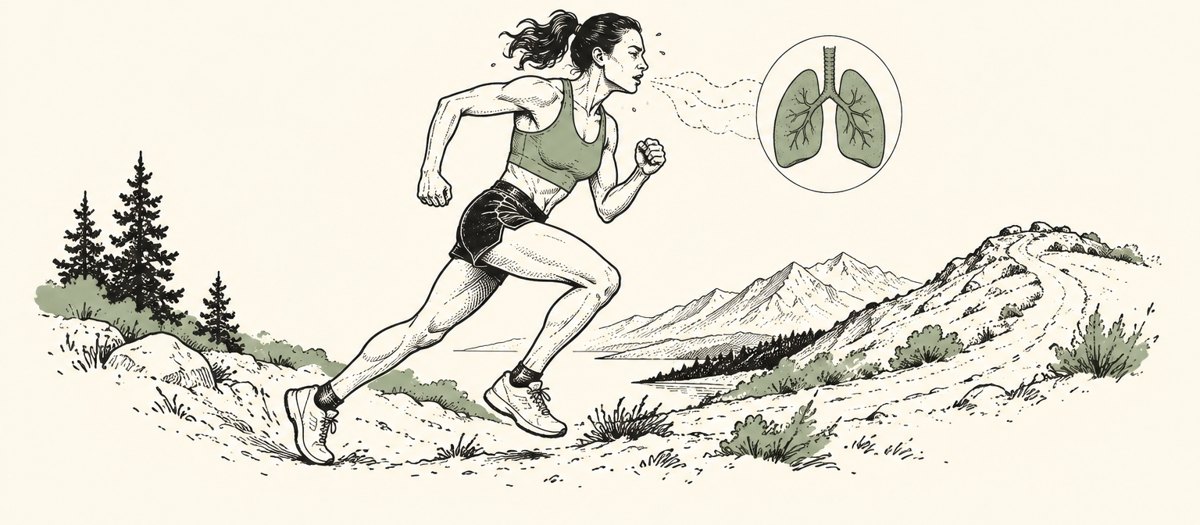
VO2 Max Training
Hard interval workouts, sometimes called Zone 5 training, that push you close to your top aerobic effort. Commonly practiced to help raise VO2 max, a fitness measure studied for its strong link to longevity.
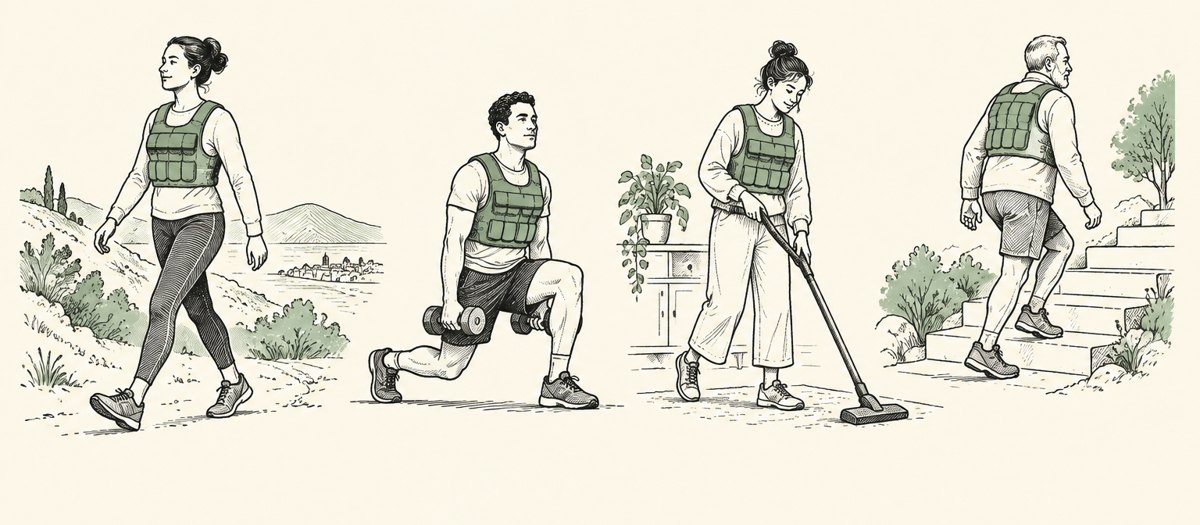
Weighted Vest Training
Wearing a weighted vest during walks, workouts, or daily chores. Commonly used to help add challenge to everyday movement and studied for its potential role in supporting bone density.
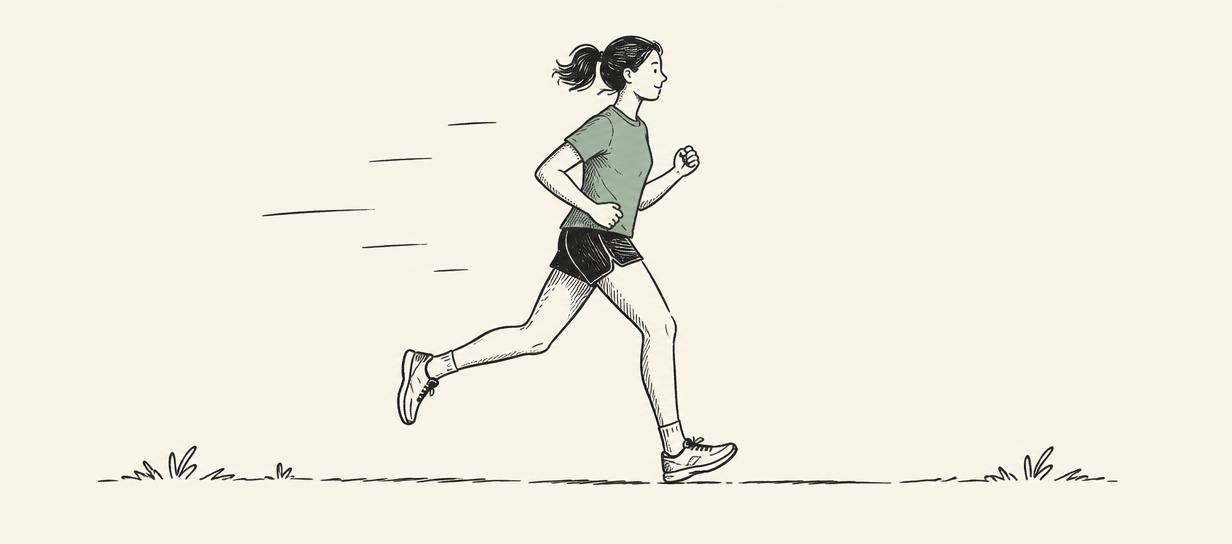
Zone 2 Cardio
A steady, moderate-intensity workout where you can comfortably speak in full sentences while moving. Many people practice it to help build aerobic endurance, train the body to burn fat for fuel, and support long-term heart health.