Sleep & Recovery Health Practices
Sleep and recovery practices include habits, environmental adjustments, and physical therapies that help the body rest and repair. Quality sleep is essential for brain health, immune function, memory consolidation, and daytime energy levels. Members monitor sleep protocols like dark-room optimization and contrast therapy to observe how rest correlates with resting heart rate and metabolic markers.
Tracked Practices (7)
Explore sleep routines, recovery methods, and biometric changes.
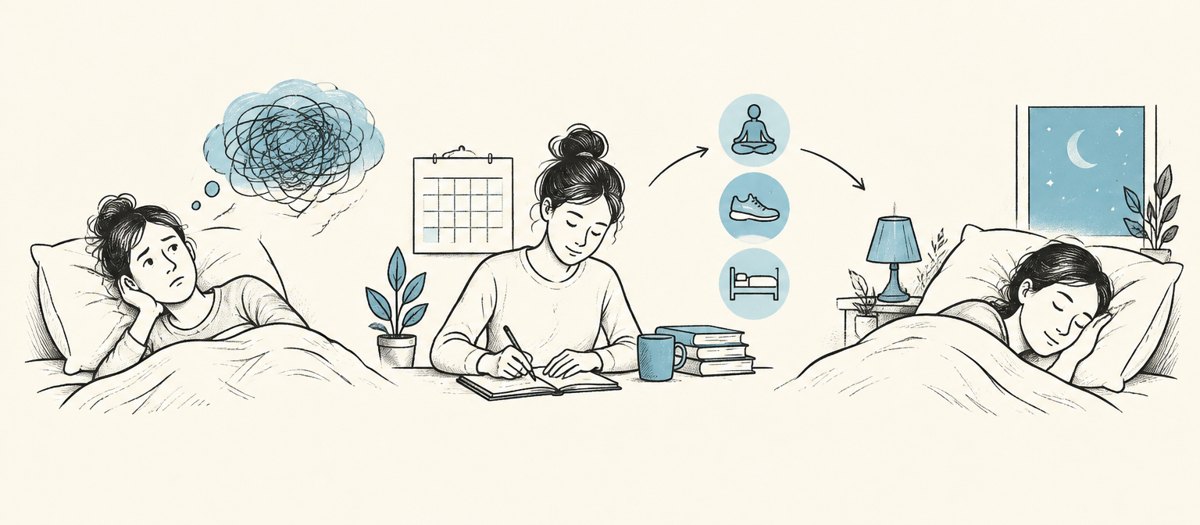
CBT-I Therapy
Cognitive Behavioral Therapy for Insomnia, a structured program that changes the thoughts and habits that keep you awake. Often recommended by sleep experts to help people fall asleep faster and sleep more soundly without relying on sleep pills.
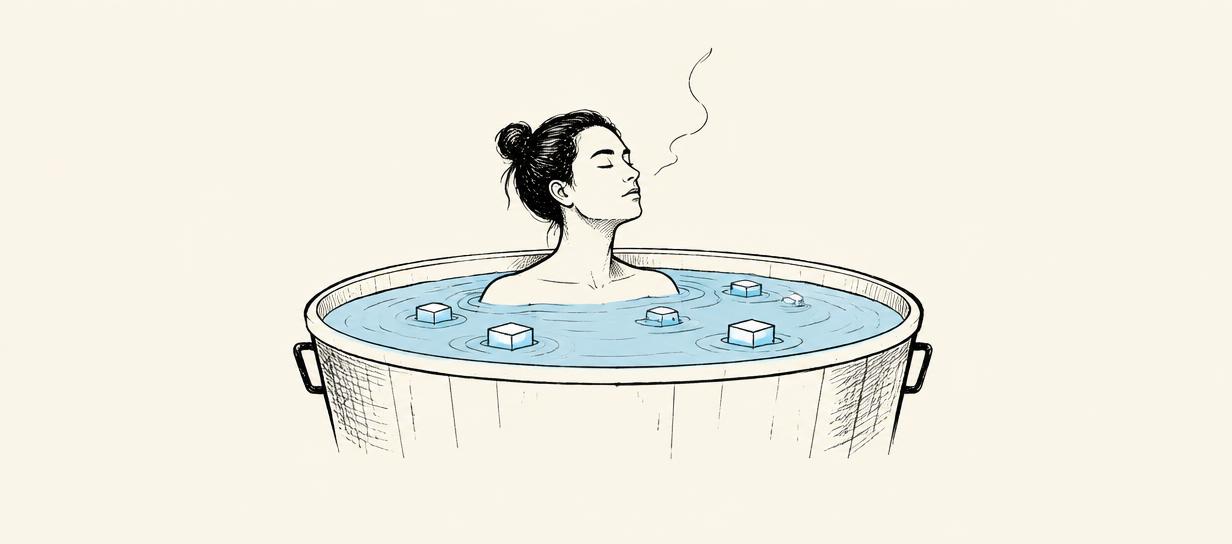
Cold Water Immersion
Briefly soaking in cold water, typically between 45 and 55 degrees Fahrenheit, in a plunge tub or ice bath. Popular among athletes and health enthusiasts to help soothe sore muscles and boost alertness.
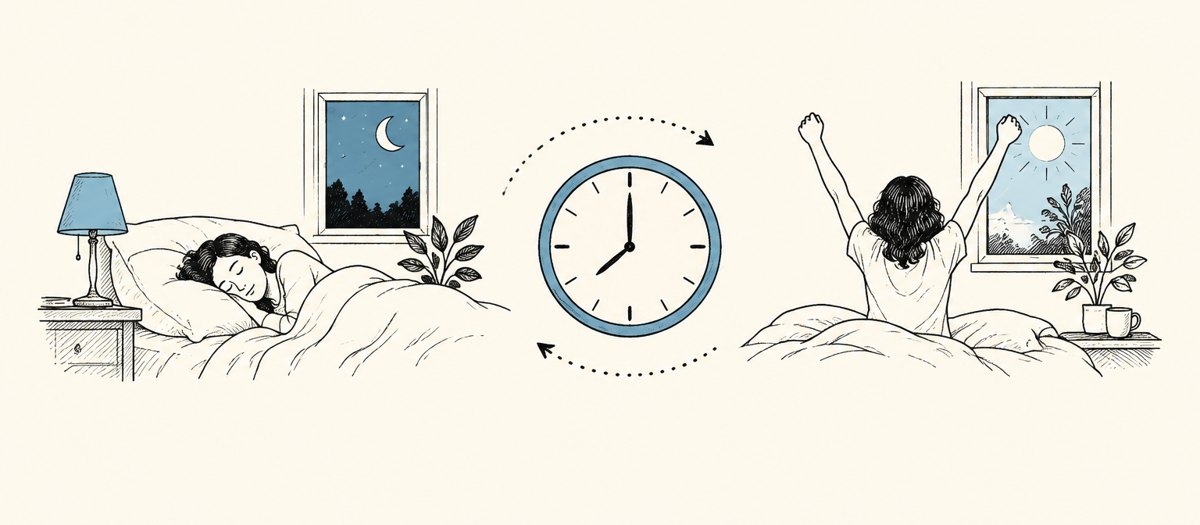
Consistent Sleep Schedule
Going to bed and waking up at the same times every day, including weekends. Often recommended to help anchor your body clock, improve sleep quality, and support daytime alertness.
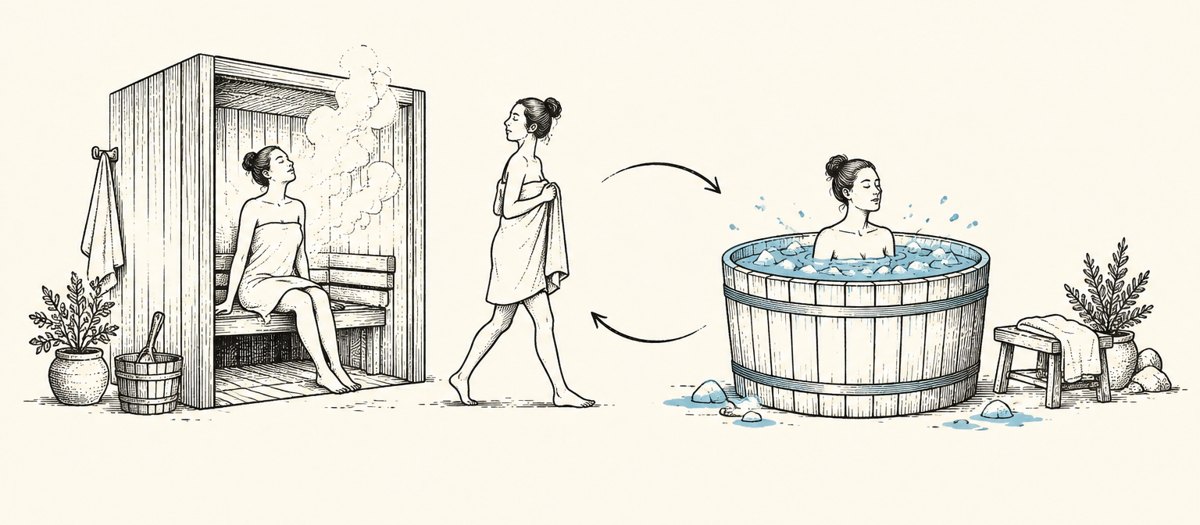
Contrast Therapy
Alternating between heat, like a sauna or hot tub, and cold, like an ice bath or cold shower, in back-to-back rounds. Many people use it to help stimulate blood flow, support recovery, and feel refreshed.

Infrared Sauna Therapy
Sitting in a heated cabin that uses infrared light to warm your body directly. Frequently practiced to help with relaxation and circulation, and studied for its potential effects on heart health.
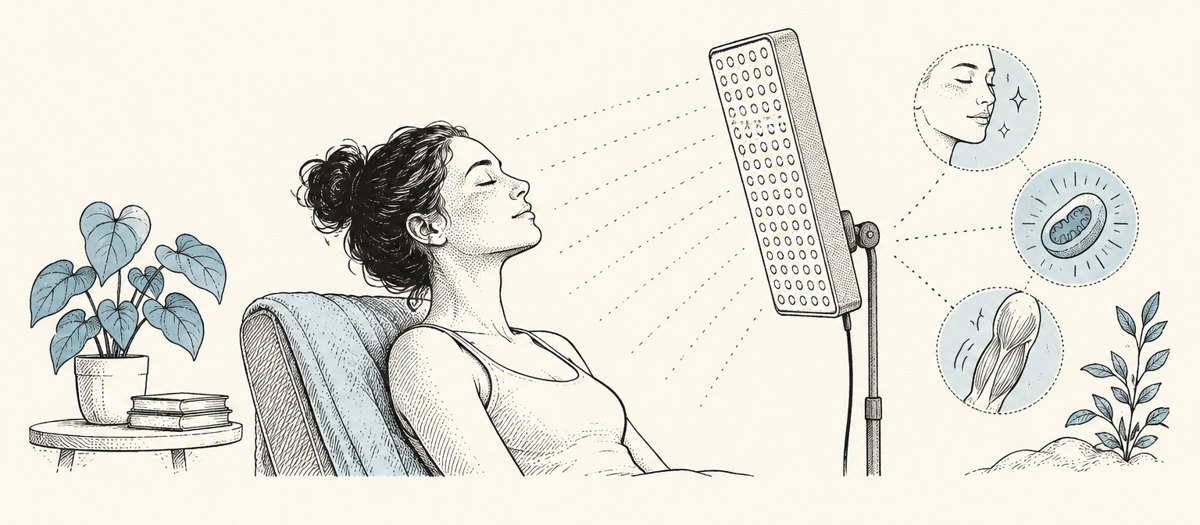
Red Light Therapy
Exposing your skin to low-level red and near-infrared light for short sessions. Studied for its potential role in supporting skin health, cellular energy, and muscle recovery.
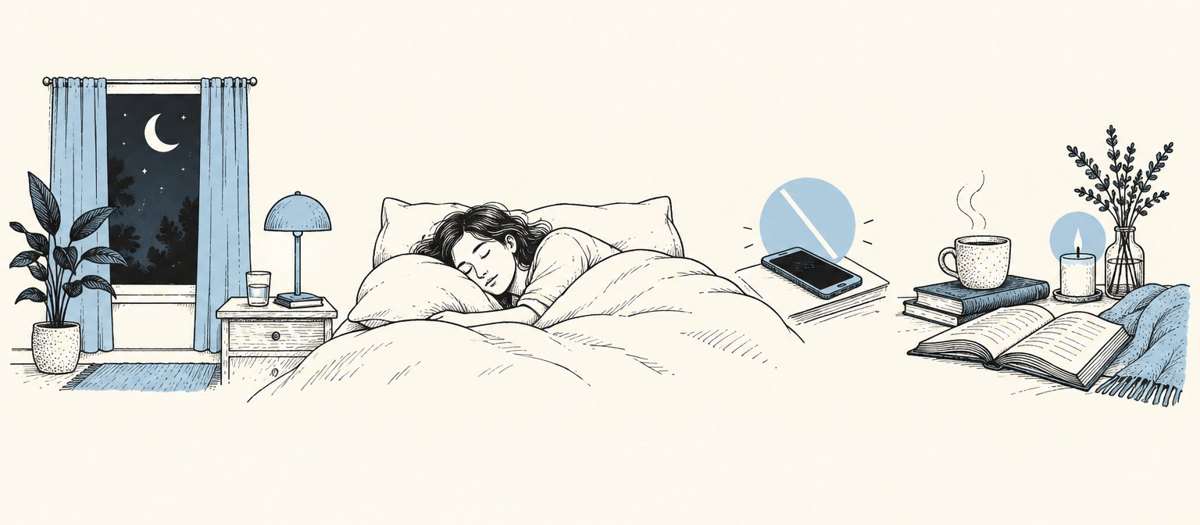
Sleep Optimization
Improving your sleep through habits like a cool, dark room, limiting screens at night, and a relaxing wind-down routine. One of the most popular practices for helping support energy, mood, recovery, and long-term health.