Supplements & Botanicals Health Practices
Supplements and botanical practices involve vitamins, minerals, and plant-derived compounds taken to complement nutrition and target specific health goals. Many people use targeted supplementation to help fill nutrient gaps, support mitochondrial function, and maintain healthy inflammatory balance. Members record daily supplements to discover what combinations move their biomarkers and enhance overall wellbeing.
Tracked Practices (33)
Explore over-the-counter supplements, member regimens, and reported lab outcomes.

Apigenin
A natural plant compound found in chamomile, parsley, and celery. Popular as a bedtime supplement and studied for its potential role in calm and sleep.

Ashwagandha
An herb used for centuries in Ayurvedic medicine and now a popular supplement. Commonly taken to help the body handle stress and studied for its potential effects on sleep, cortisol, and calm.
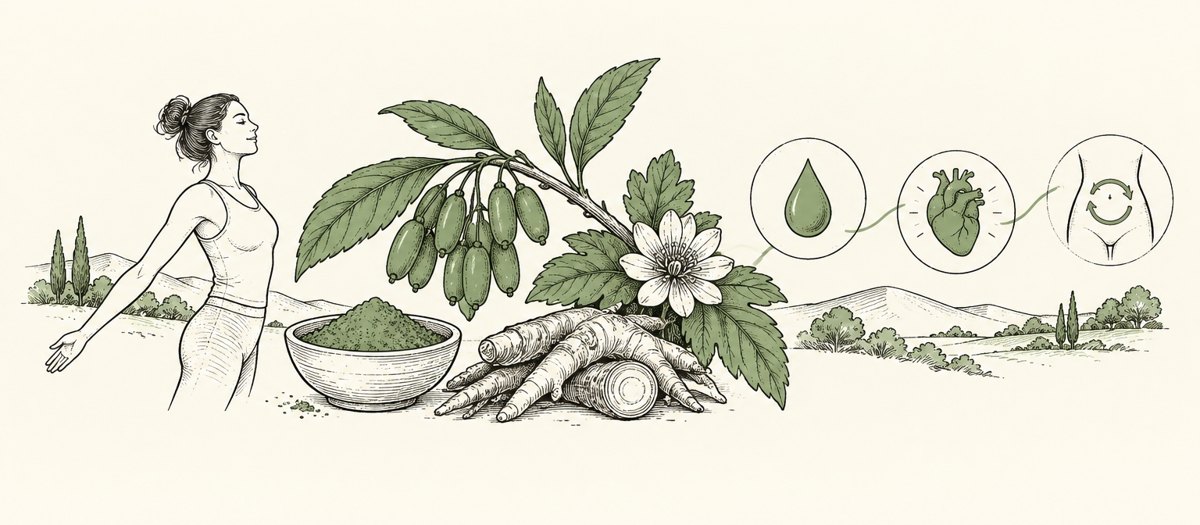
Berberine
A natural compound found in plants like goldenseal and barberry. Studied for its potential role in supporting healthy blood sugar, cholesterol, and metabolic health.
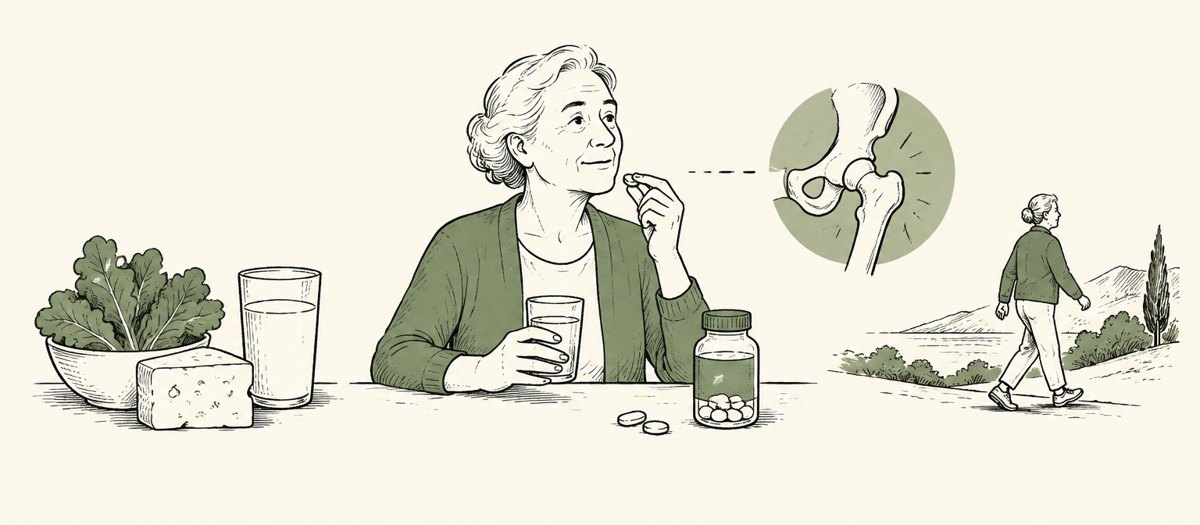
Calcium Supplementation
Taking calcium supplements, often with vitamin D, when your diet falls short. Commonly used to help support bone health, especially for older adults.
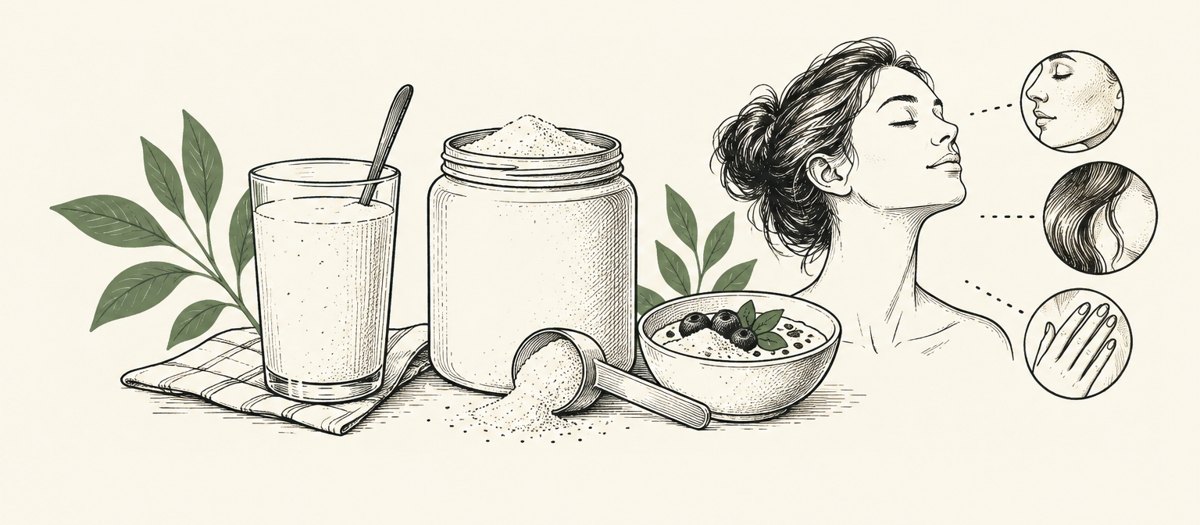
Collagen Peptides
A protein supplement made from animal connective tissue, usually mixed into drinks or food. Popular among people hoping to help support skin, hair, nails, and joint comfort.
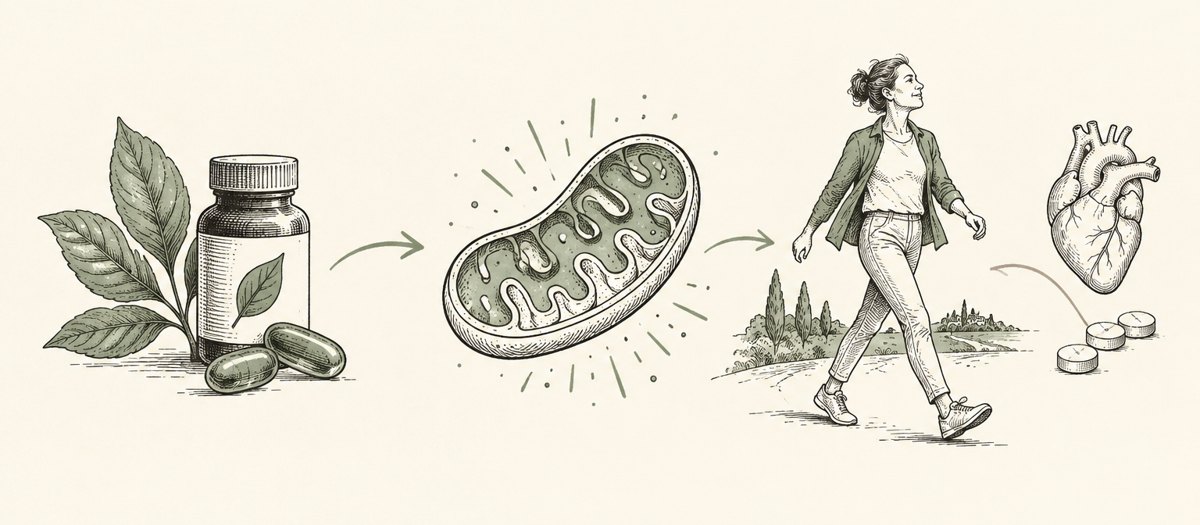
CoQ10
Coenzyme Q10, a compound your cells use to make energy that is also taken as a supplement. Commonly used by people on statins and studied for its potential role in heart health and cellular energy.
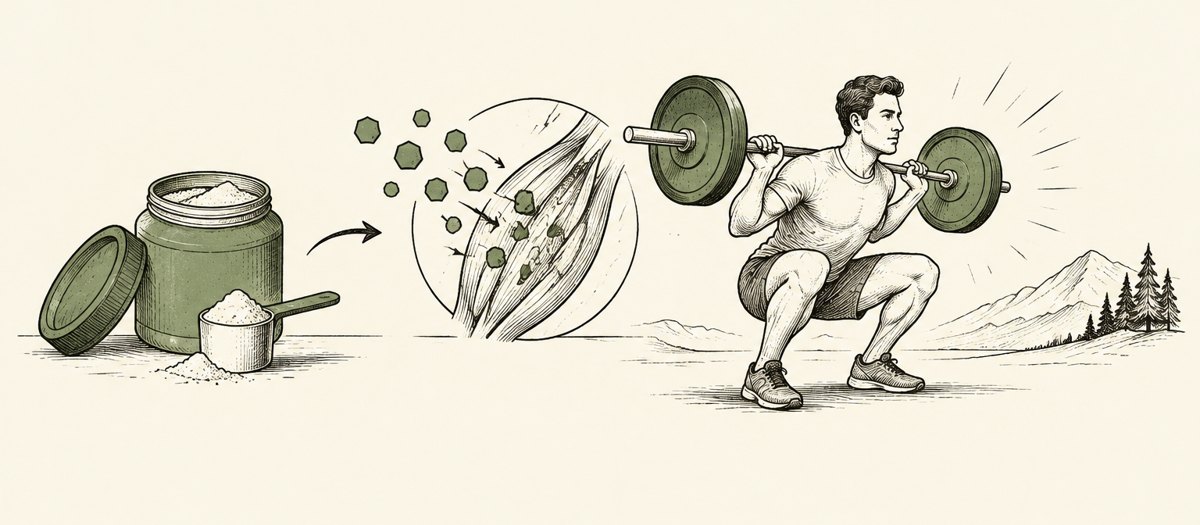
Creatine Monohydrate
A widely used daily supplement that helps muscle cells produce quick bursts of energy during intense exercise. Athletes and health enthusiasts often take it to support strength, power, and cognitive energy.
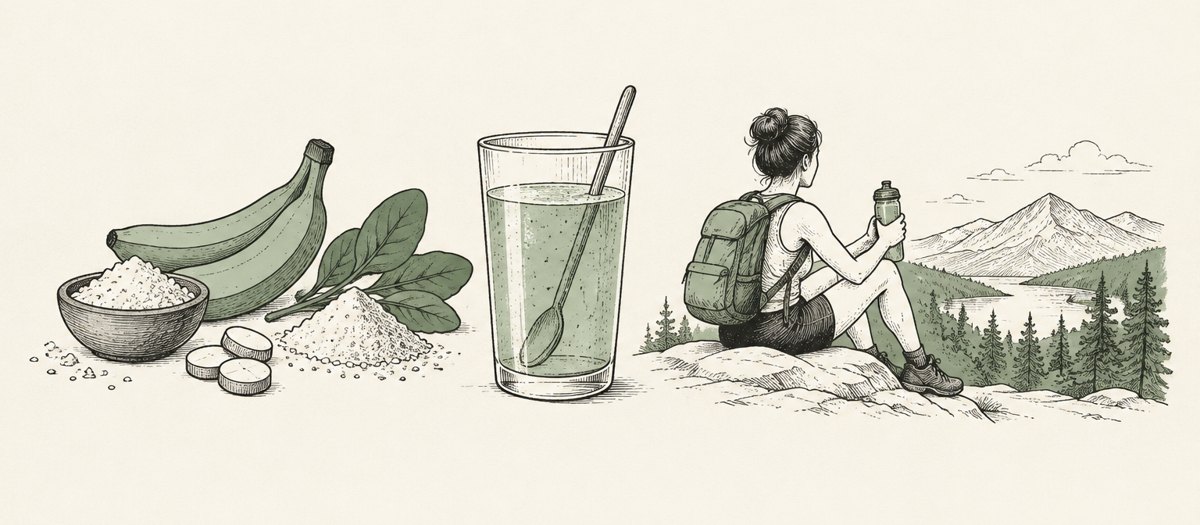
Electrolyte Optimization
Getting the right balance of sodium, potassium, and magnesium, often through drink mixes or tablets. Commonly used by active people to help support hydration, energy, and muscle function.
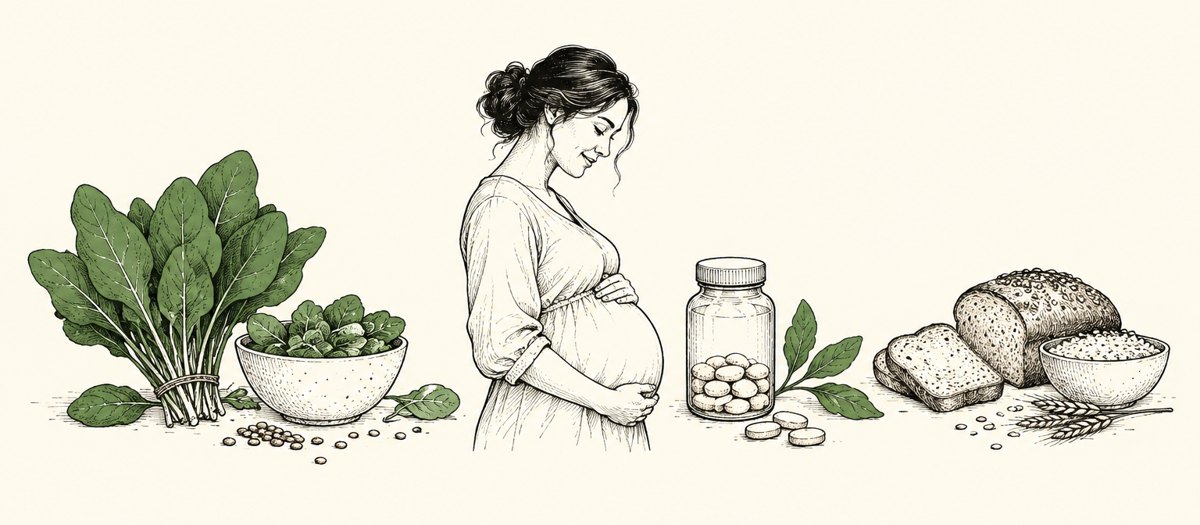
Folic Acid
A B vitamin, also called folate, taken as a supplement or found in leafy greens and fortified foods. Commonly recommended before and during pregnancy and taken to help support healthy cells and red blood cells.
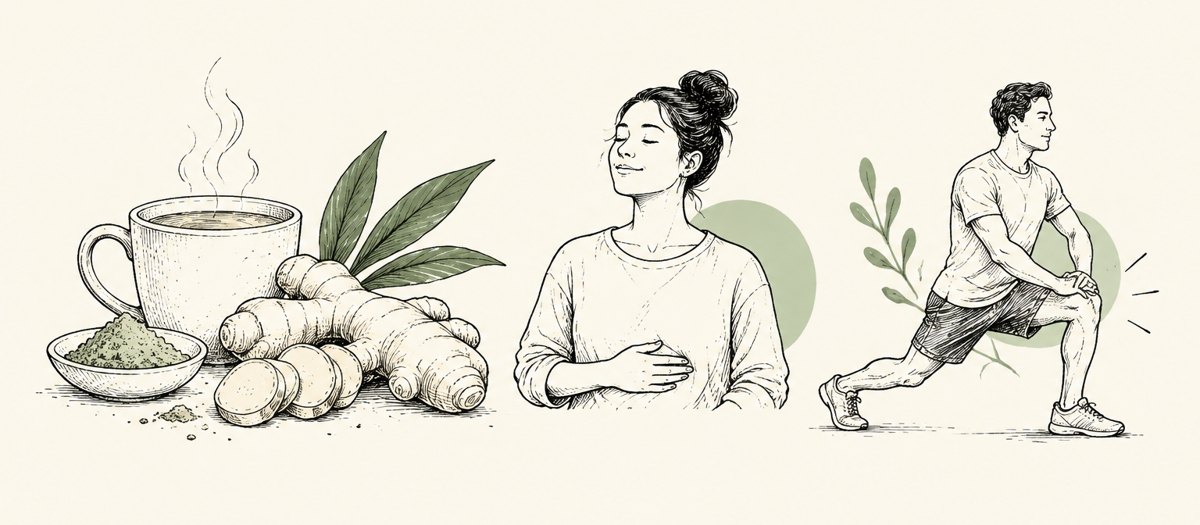
Ginger
A spicy root used in cooking, teas, and supplements. Commonly taken to help settle the stomach and studied for its potential effects on inflammation and muscle soreness.
Glycine
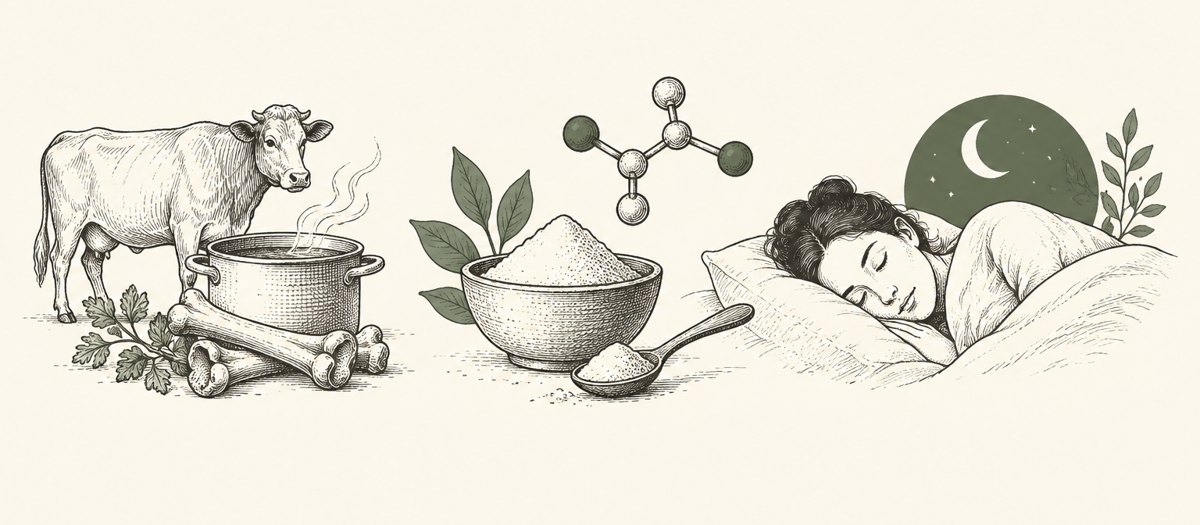
A simple amino acid found in collagen and bone broth that is also sold as a powder. Commonly taken before bed to help support sleep quality and studied for its potential role in healthy aging.
Inositol
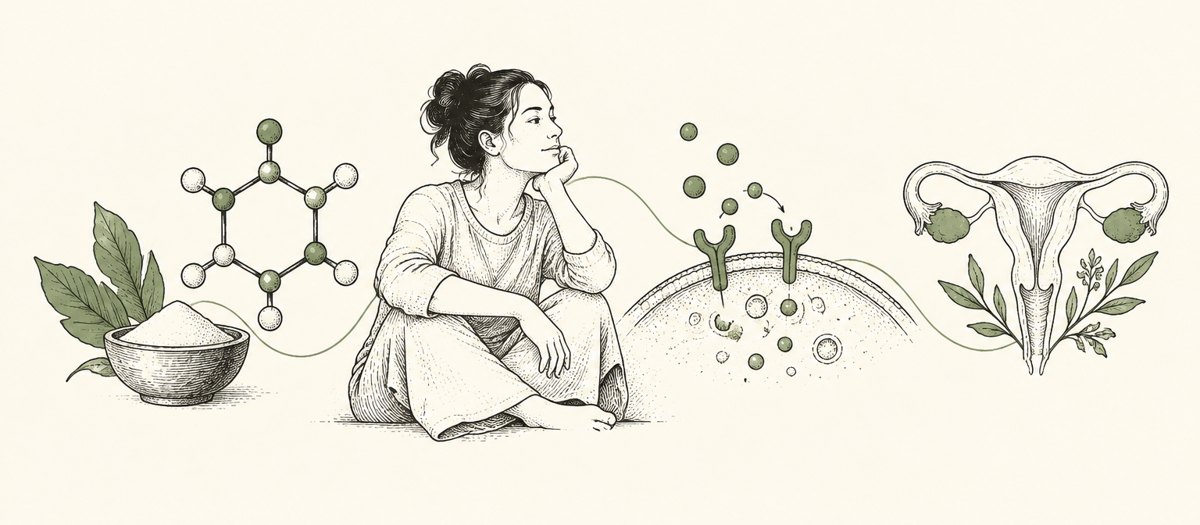
A vitamin-like compound, often taken as myo-inositol, that helps cells respond to insulin. Commonly used by people with PCOS and studied for its potential effects on blood sugar, hormones, and mood.
Iron Supplementation
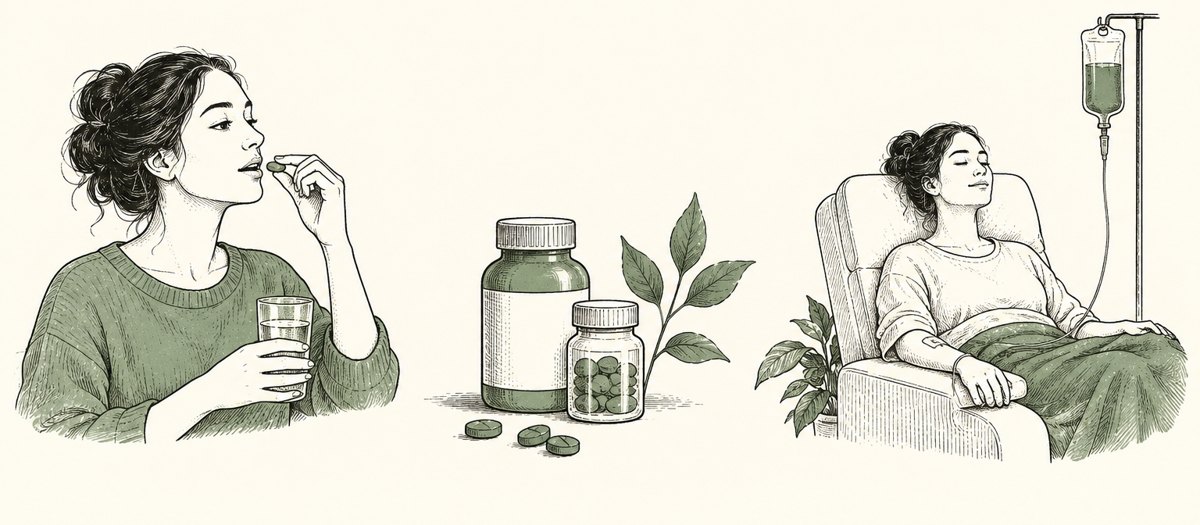
Taking iron pills or getting iron infusions, over the counter or by prescription, when levels are low. Commonly used to help restore iron stores and ease tiredness from low iron.

L-Theanine
An amino acid found in green tea, often taken alone or with caffeine. Commonly used to help promote calm focus and ease the jittery feeling from coffee.

Lion's Mane Mushroom
An edible mushroom with a shaggy, white look that is taken as a supplement or eaten as food. Studied for its potential role in supporting focus, memory, and brain health.

Magnesium Supplementation
Taking a magnesium supplement, such as glycinate or citrate, to fill gaps in your diet. One of the most popular supplements for helping support sleep, relaxation, and muscle function.

Melatonin
A hormone your body makes at night, also sold as a supplement. Commonly taken in small doses to help with jet lag, shift work, and falling asleep.
Milk Thistle
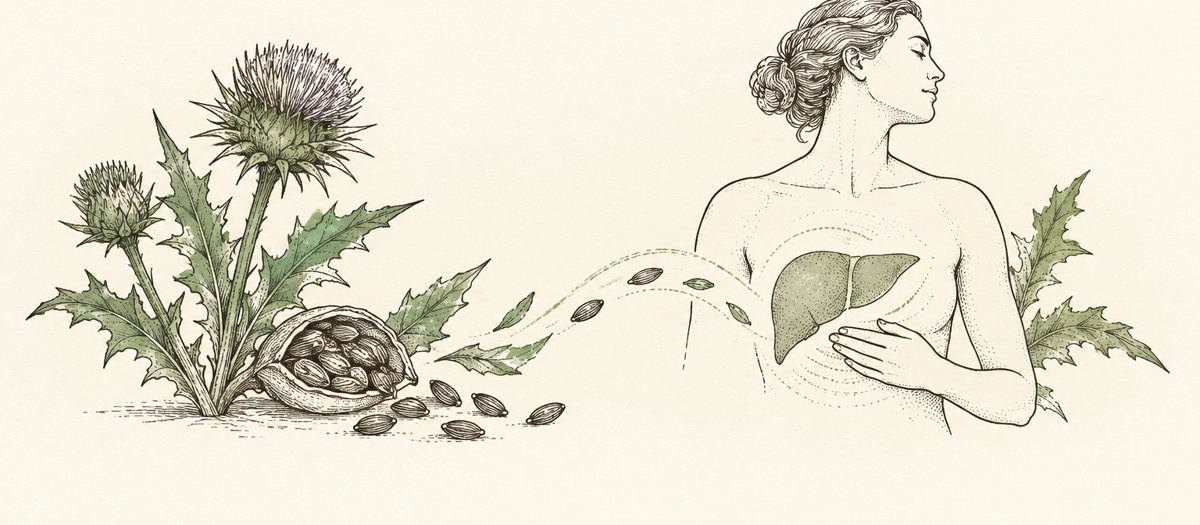
An herbal supplement made from the seeds of the milk thistle plant. Traditionally used and studied for its potential role in supporting liver health.
N-Acetyl Cysteine (NAC)
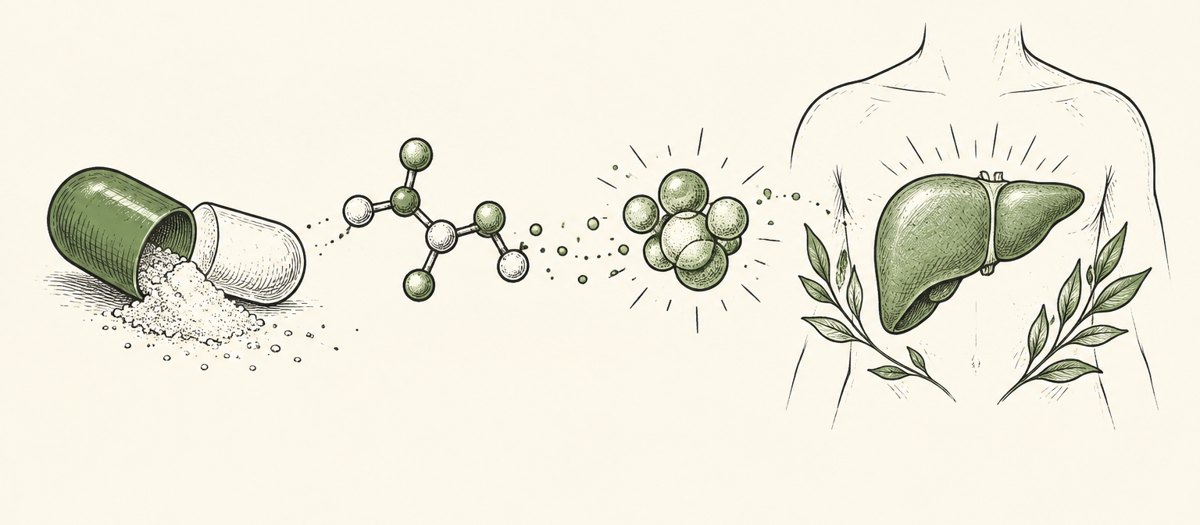
A supplement form of the amino acid cysteine that the body uses to make glutathione, a key antioxidant. Studied for its potential role in supporting liver health, lung health, and the body's antioxidant defenses.
Niacin
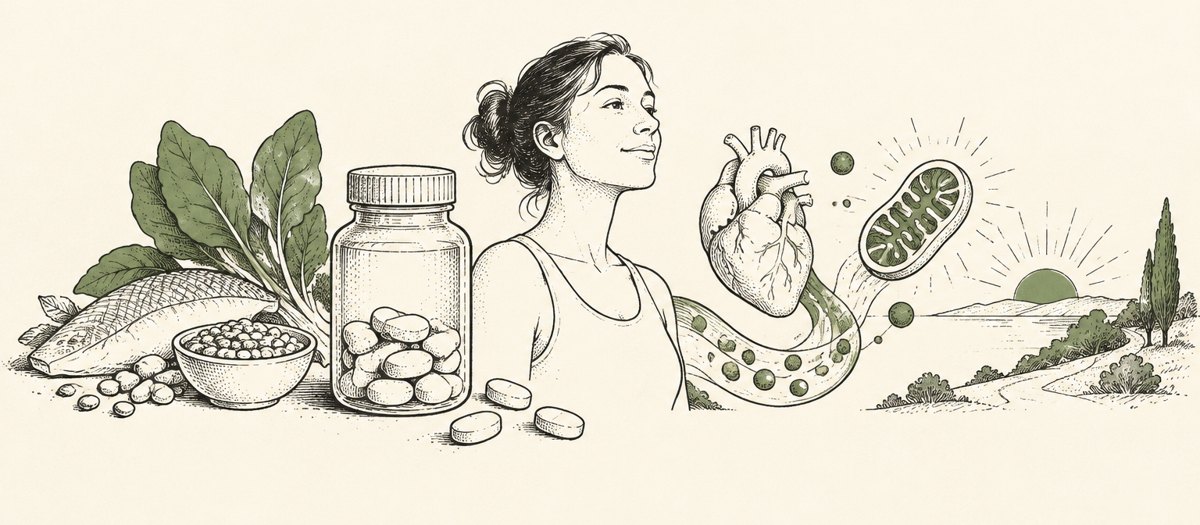
Vitamin B3, taken as a supplement or sometimes prescribed at higher doses. Studied for its potential effects on cholesterol and cellular energy, and best used with a doctor's guidance at high doses.

Nootropics
Supplements and compounds, such as caffeine with L-theanine or herbal blends, taken to support mental performance. Popular among people hoping to help sharpen focus, memory, and productivity.
Omega-3 Fatty Acids
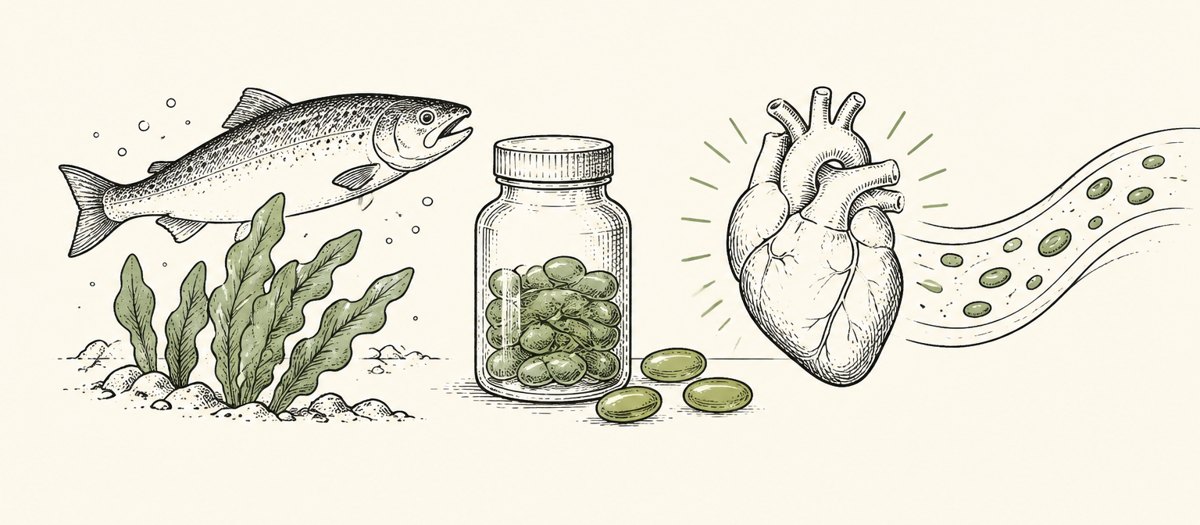
Essential fats, such as EPA and DHA from fish oil or algae, that your body cannot make on its own. Commonly taken to help support heart health, healthy triglyceride levels, and joint comfort.
Plant Sterols
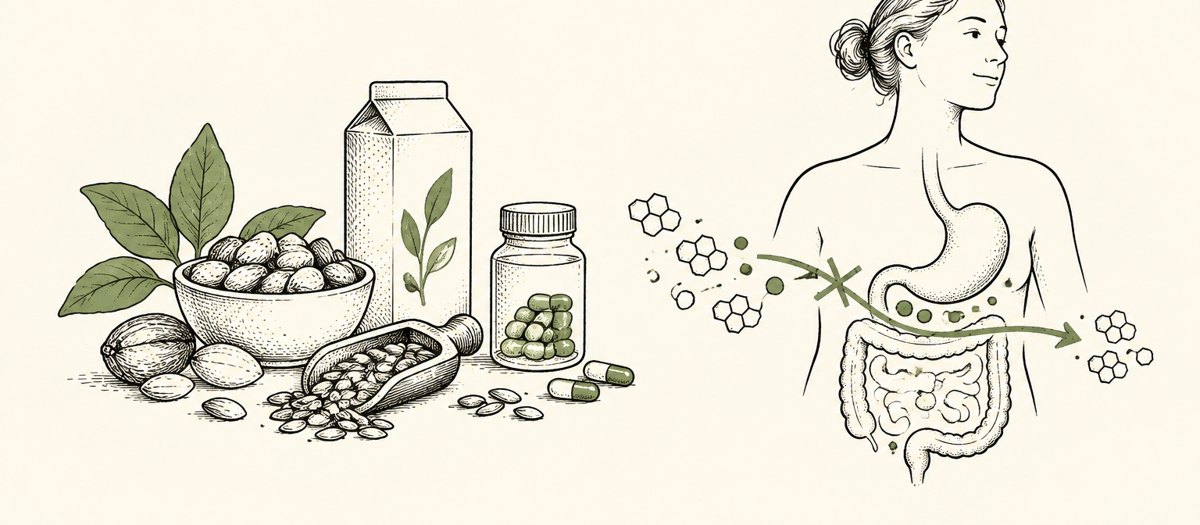
Natural plant compounds found in nuts, seeds, and fortified foods or supplements. Commonly used to help lower the amount of cholesterol your body absorbs from food.
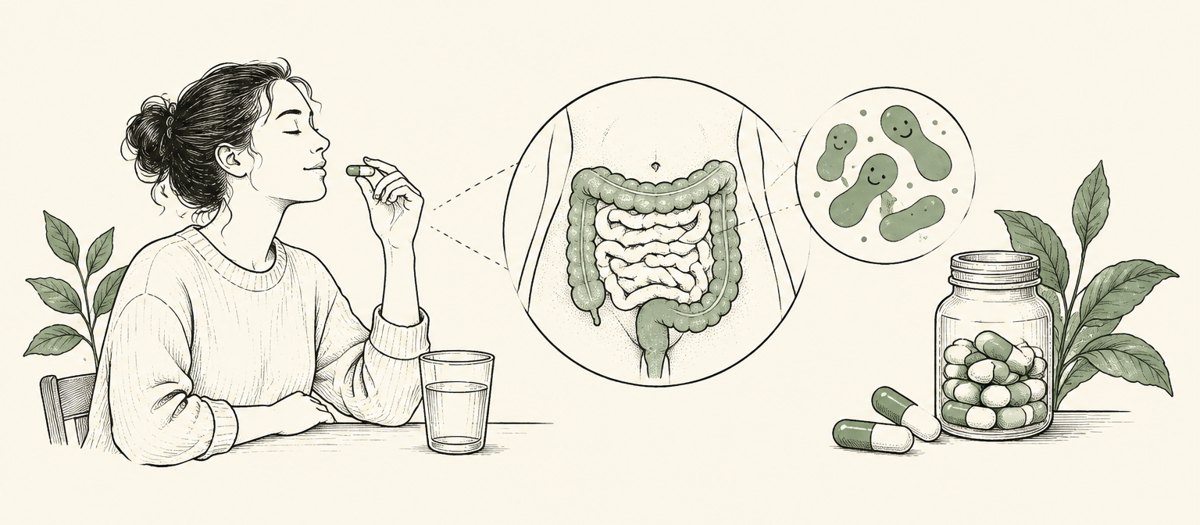
Probiotic Supplementation
Taking supplements that contain live, helpful bacteria. Commonly used to help support gut health and digestion, especially after antibiotics.
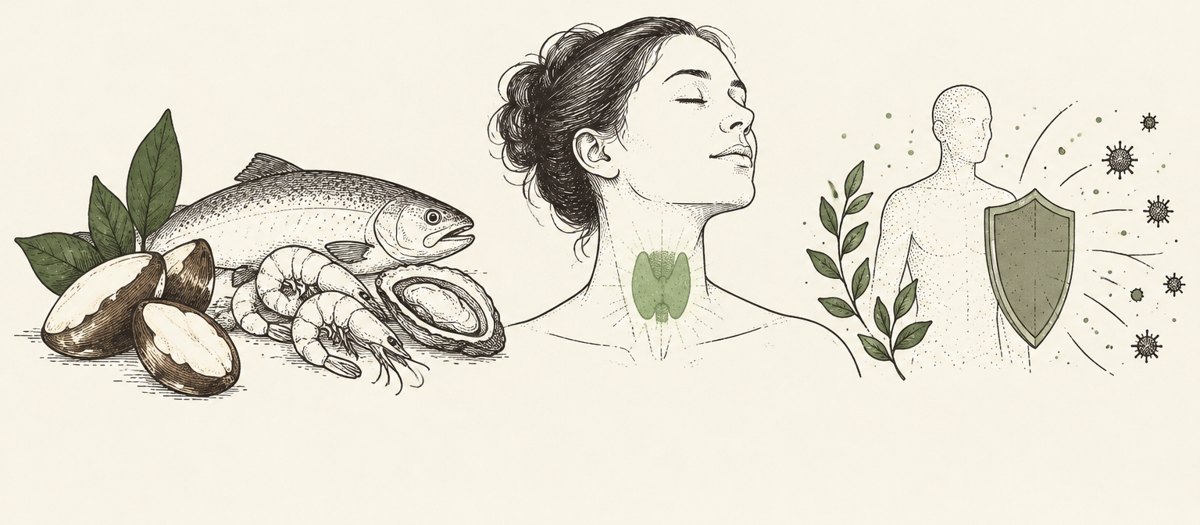
Selenium
A trace mineral found in Brazil nuts, seafood, and supplements. Studied for its potential role in thyroid health and the body's natural antioxidant defenses.
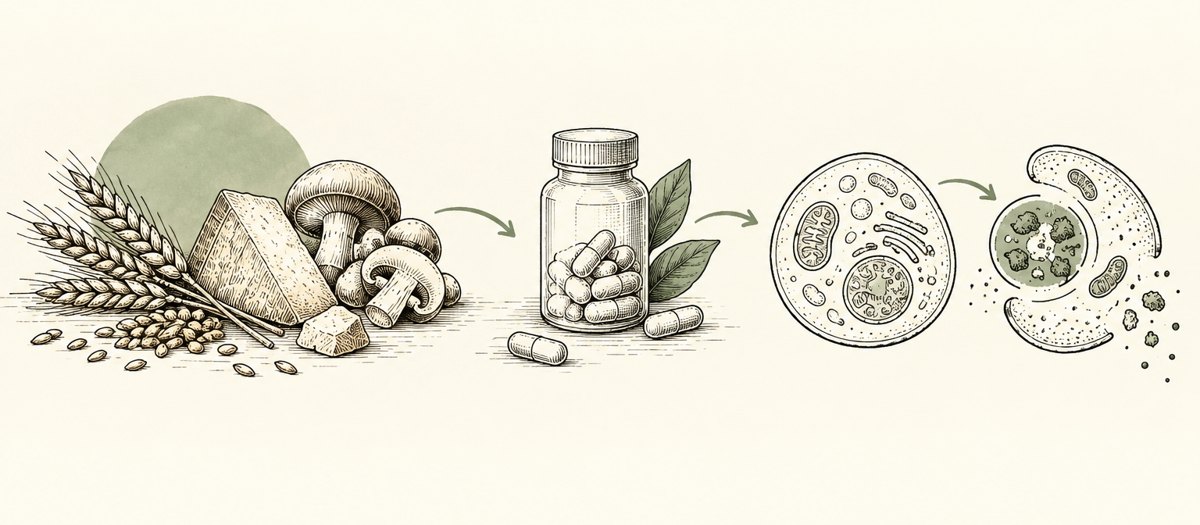
Spermidine
A natural compound found in wheat germ, aged cheese, and mushrooms and sold as a supplement. Studied for its potential role in cellular cleanup, called autophagy, and healthy aging.
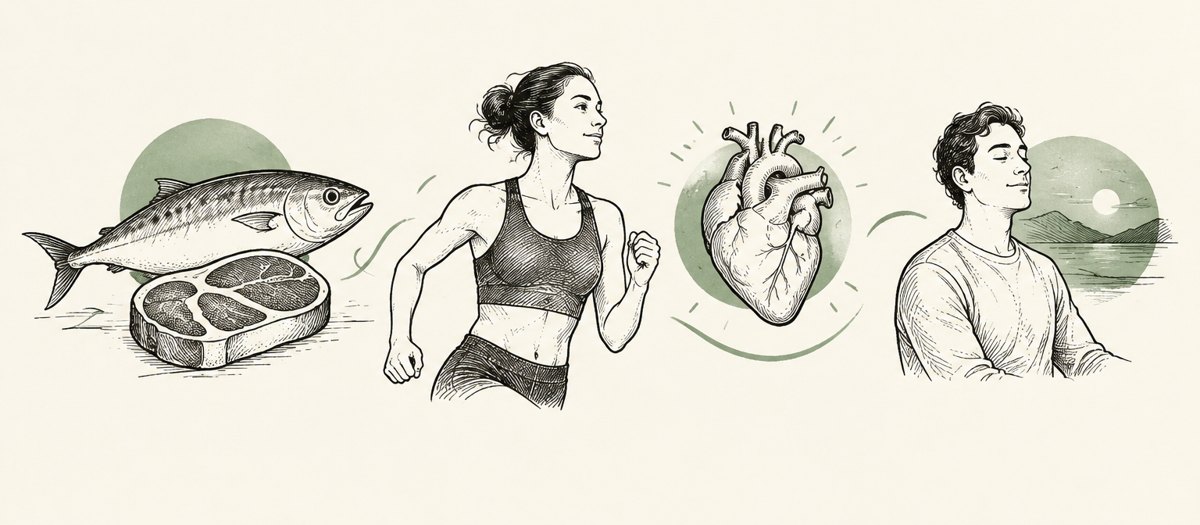
Taurine
An amino acid found in meat and fish and added to many energy drinks and supplements. Studied for its potential role in heart health, exercise performance, and healthy aging.
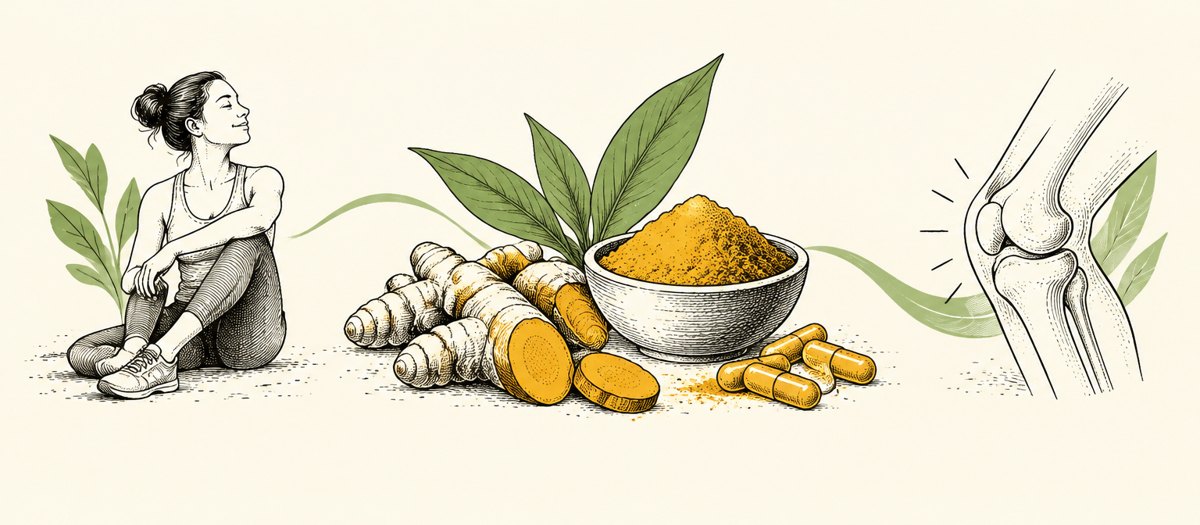
Turmeric / Curcumin
Turmeric is a golden spice, and curcumin is its main active compound, often taken as a supplement. Studied for its potential effects on inflammation and joint comfort.
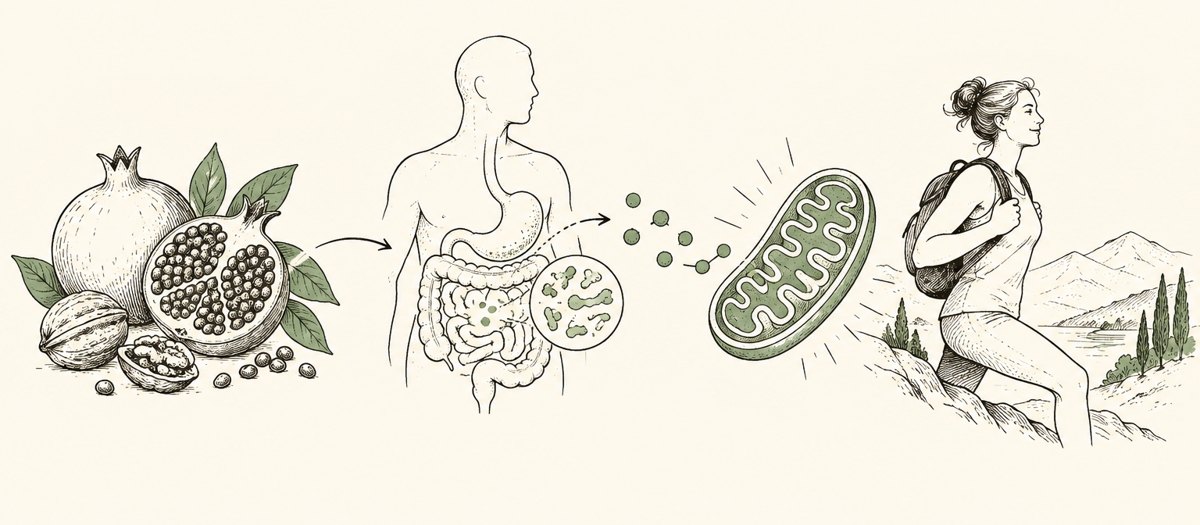
Urolithin A
A compound your gut makes from foods like pomegranates and walnuts, now available as a supplement. Studied for its potential role in supporting mitochondria, muscle strength, and healthy aging.
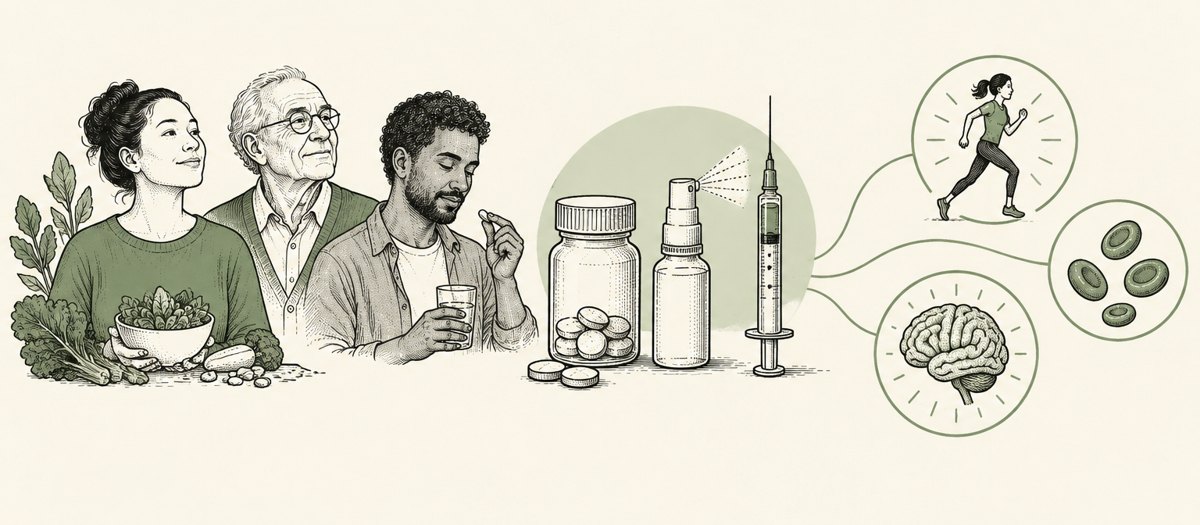
Vitamin B12 Supplementation
Taking vitamin B12 as a pill, spray, or shot. Commonly used by vegans, older adults, and people on metformin to help support energy, nerve health, and red blood cells.
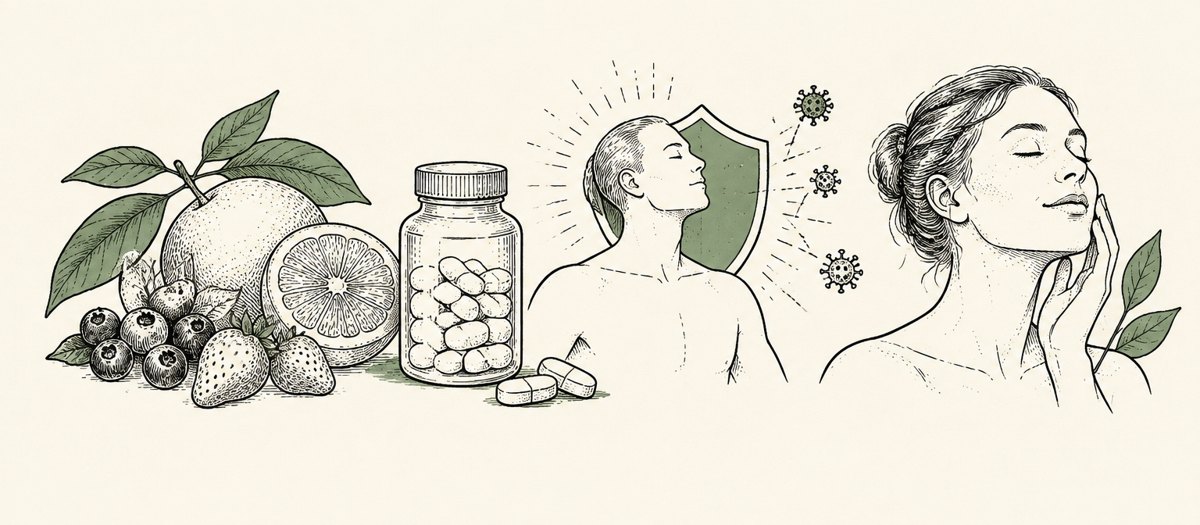
Vitamin C
A common antioxidant vitamin found in citrus, berries, and supplements. Often taken to help support immune health and skin repair.

Vitamin D Supplementation
Taking vitamin D, over the counter or by prescription, especially when you get little sun. Commonly used to help support bone health, immune health, and mood.
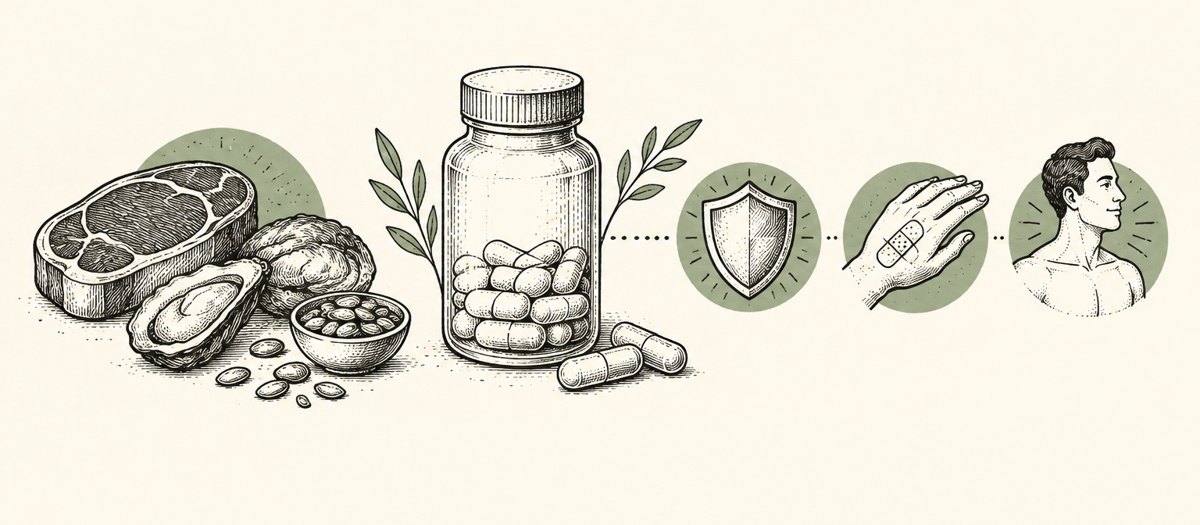
Zinc Supplementation
Taking zinc, a mineral found in meat, shellfish, and seeds, as a supplement. Commonly used to help support immune health, wound healing, and hormone health.