Prescription Medications Health Practices
Prescription medications are doctor-prescribed therapies utilized for preventive cardiology, metabolic disease management, and longevity medicine. These clinical interventions are commonly studied for reducing cardiovascular risk, lowering blood glucose, and addressing underlying disease mechanisms. Members track their prescribed protocols alongside lab work to evaluate progress and share real-world experiences.
Tracked Practices (28)
Explore clinical protocols, member experiences, and target biomarker responses.
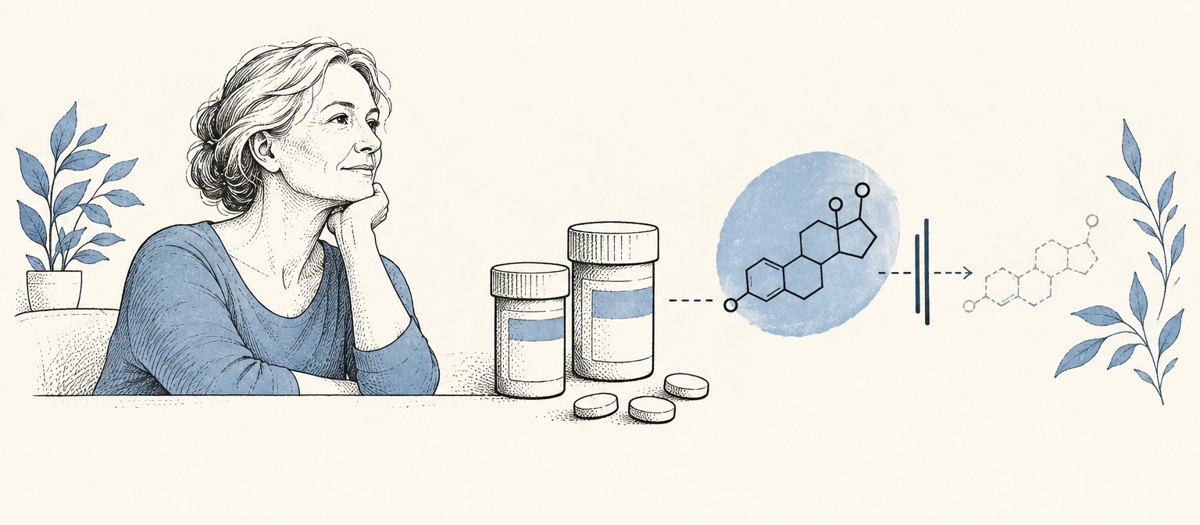
Aromatase Inhibitors
Prescription medications, such as anastrozole and letrozole, that lower the amount of estrogen the body makes. Commonly prescribed for select postmenopausal women and sometimes used in hormone care for men.

Aspirin for Colorectal Cancer Prevention
Low-dose aspirin used in select cases, under a doctor's guidance, as part of a colorectal cancer prevention plan. Studied for its potential role in lowering colorectal cancer risk for certain high-risk people.
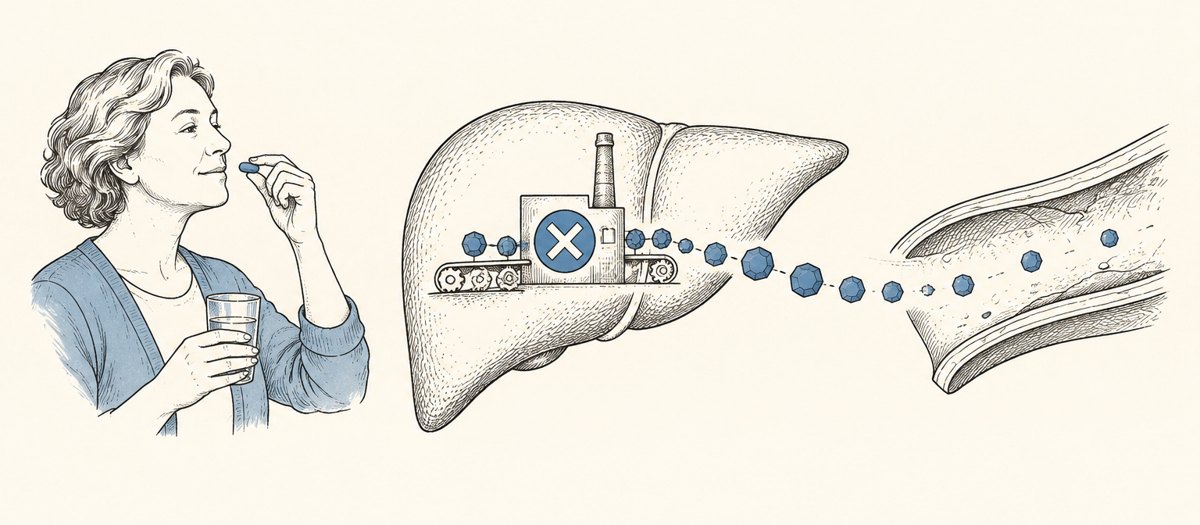
Bempedoic Acid
A daily prescription pill that lowers LDL cholesterol by slowing cholesterol production in the liver. Commonly prescribed for people who cannot take statins or need extra LDL lowering.
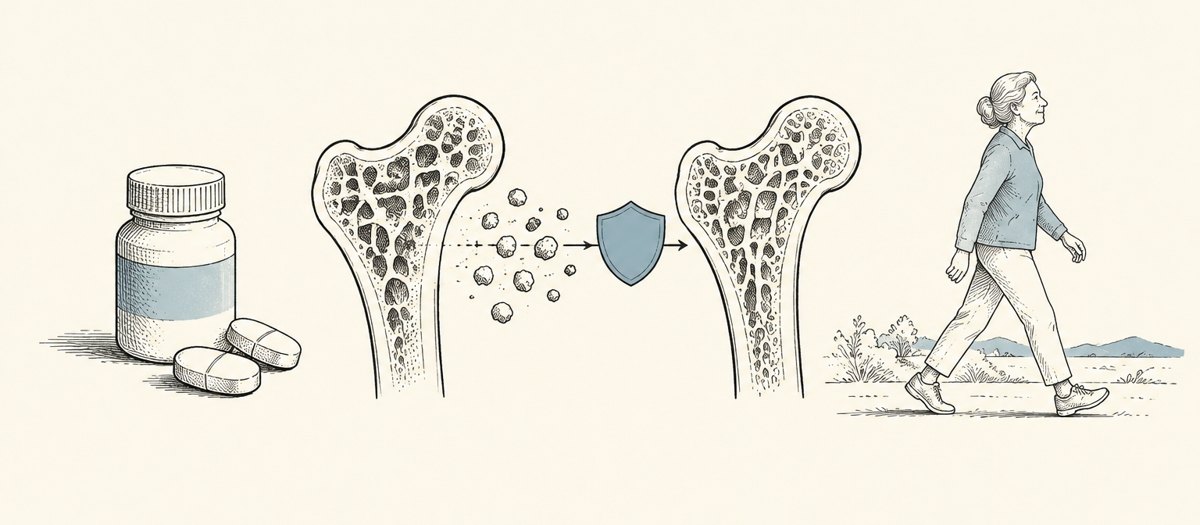
Bisphosphonates
Prescription medications, such as alendronate and risedronate, that slow the breakdown of bone. Commonly prescribed to help protect bone density and lower fracture risk in people with osteoporosis.
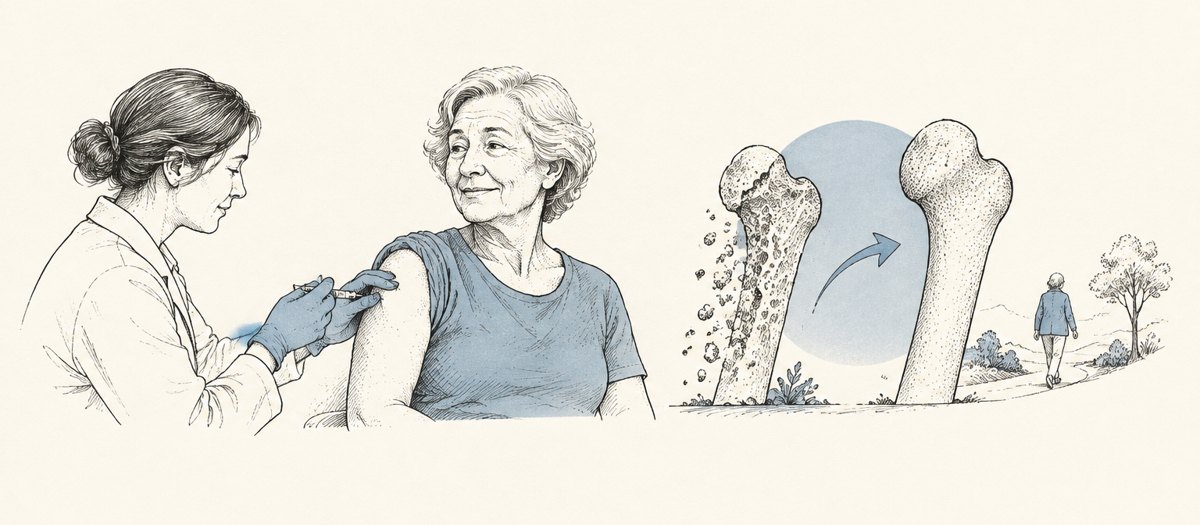
Denosumab
A prescription injection given every six months that slows bone breakdown. Commonly prescribed to help lower fracture risk in people with osteoporosis.
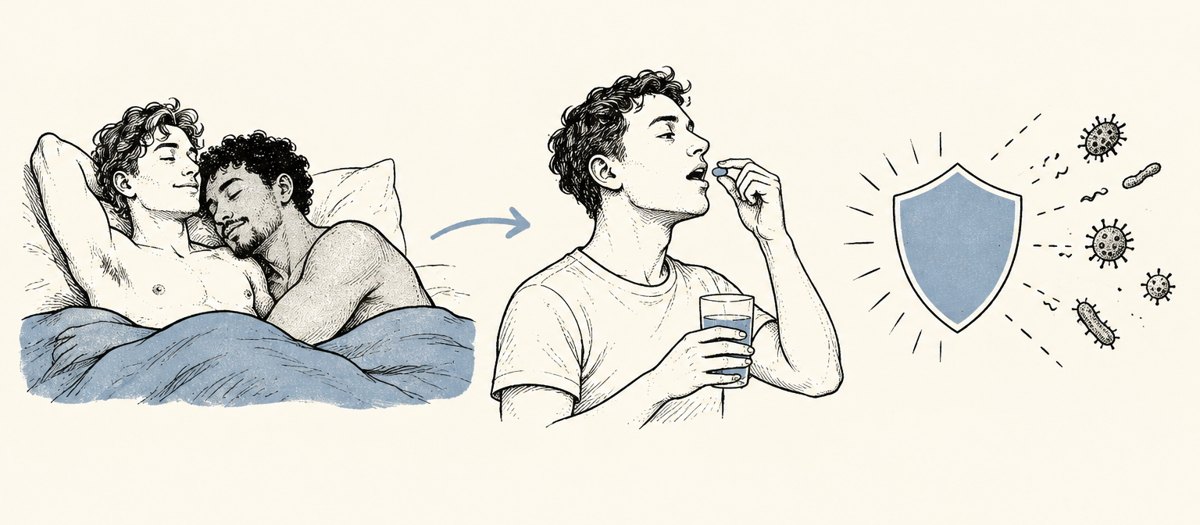
Doxycycline PEP
Taking the antibiotic doxycycline within a few days after sex to help prevent some bacterial STIs. Commonly prescribed for people at higher risk as part of sexual health care.
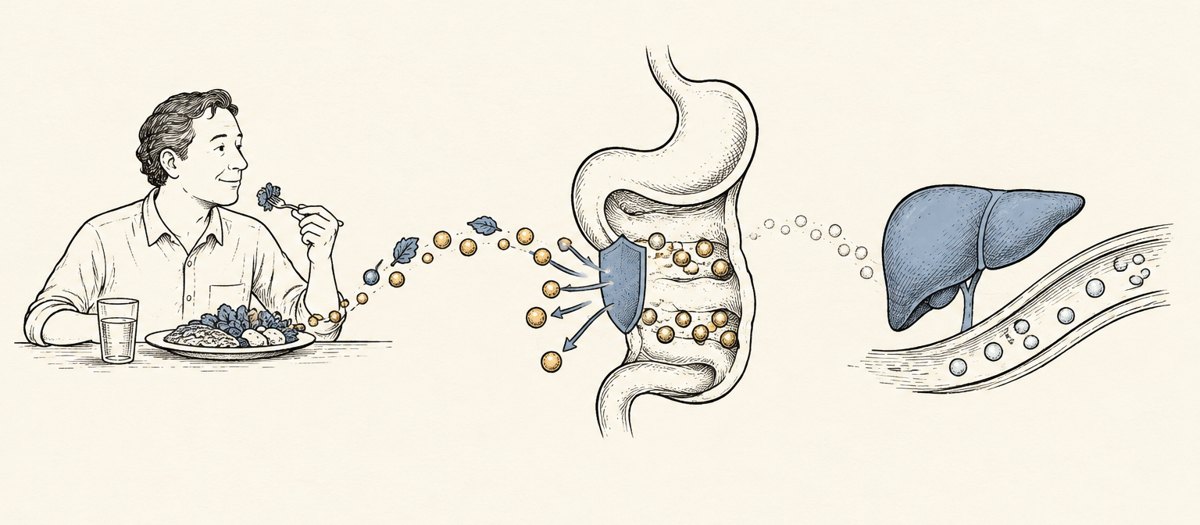
Ezetimibe
A daily prescription pill that lowers the amount of cholesterol your body absorbs from food. Commonly prescribed alone or with a statin to help lower LDL cholesterol.
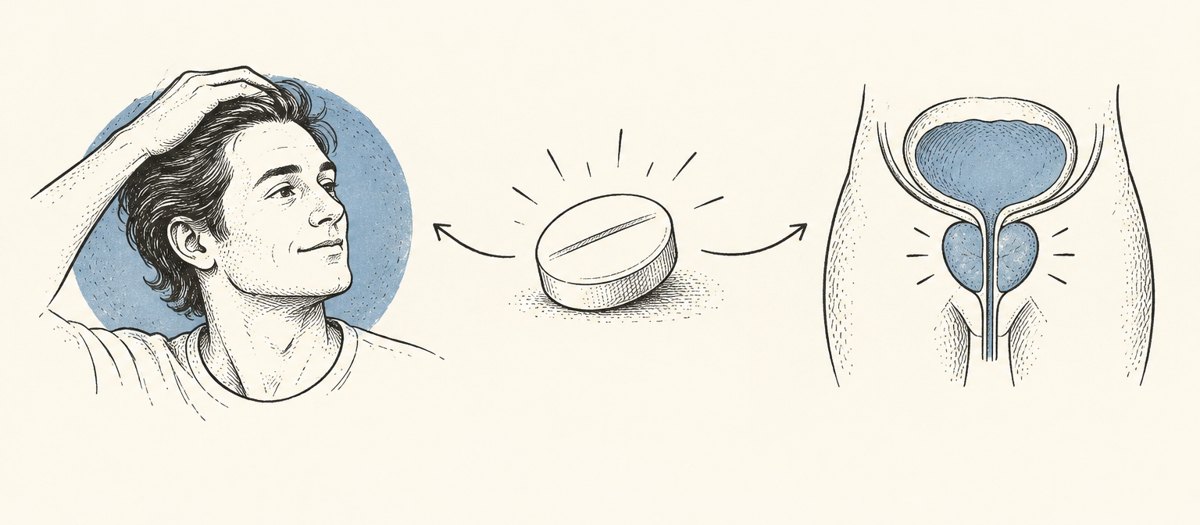
Finasteride
A daily prescription pill that blocks the hormone DHT. Commonly prescribed to help slow hair loss and, at a higher dose, to help shrink an enlarged prostate.
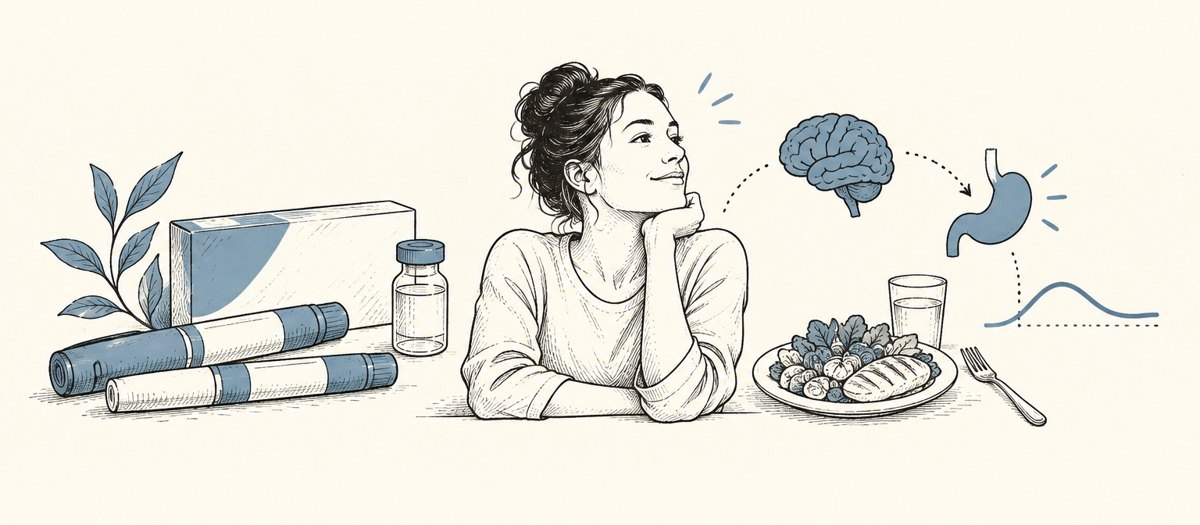
GLP-1 Medications
Prescription medications, such as semaglutide and tirzepatide, that act like natural hormones to lower appetite and steady blood sugar. Commonly prescribed to help with weight management and type 2 diabetes.
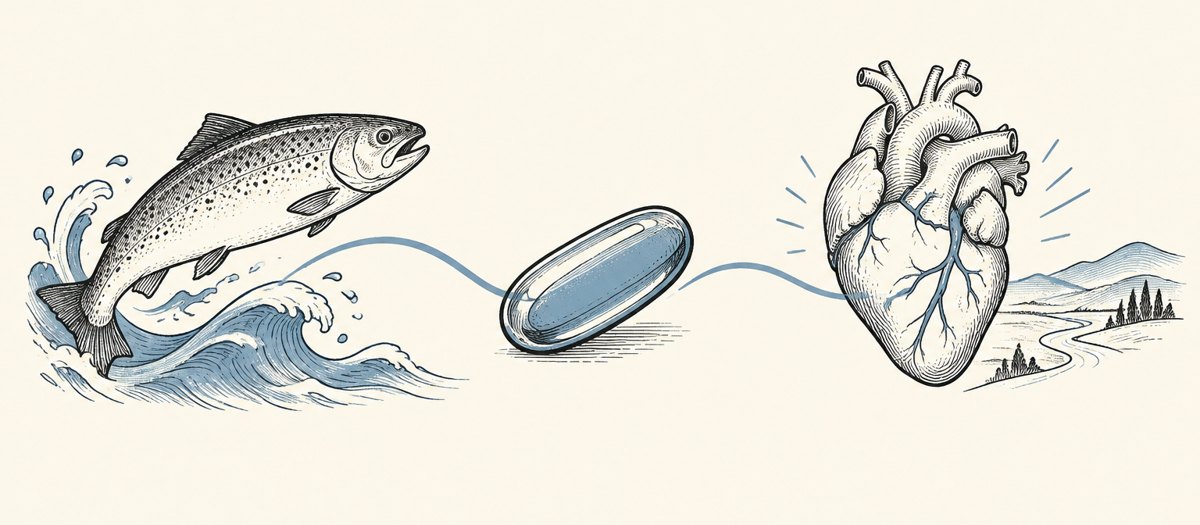
Icosapent Ethyl
A prescription form of purified EPA, an omega-3 fat from fish oil. Commonly prescribed to help lower high triglycerides and reduce heart risk in certain people.
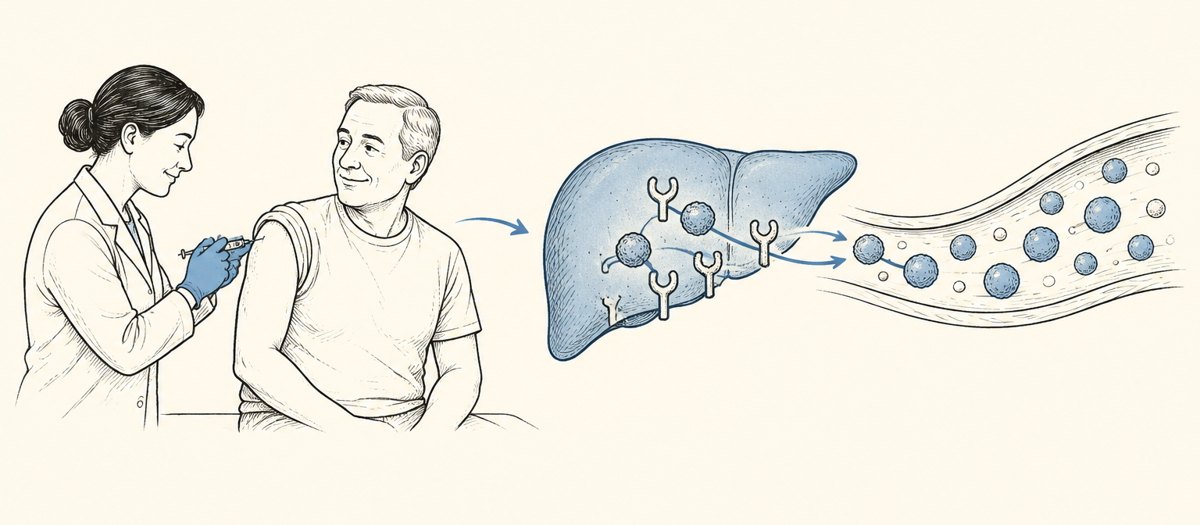
Inclisiran
A prescription injection given twice a year that helps the liver clear LDL cholesterol from the blood. Commonly prescribed for people who need extra help lowering LDL.
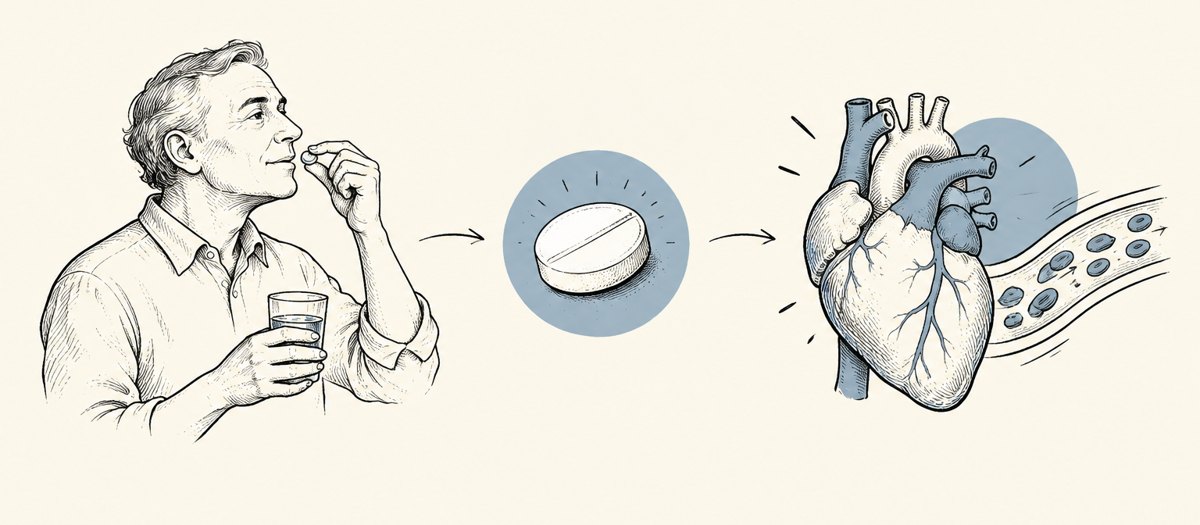
Low Dose Aspirin
Taking a small daily dose of aspirin, usually 81 mg, under a doctor's guidance. Commonly used by some people at higher risk to help prevent heart attacks and strokes, though it is not right for everyone.

Low Dose Oral Minoxidil
A small daily dose of minoxidil, a blood pressure medication, taken by mouth under a doctor's care. Commonly prescribed off-label to help support hair growth in people with thinning hair.
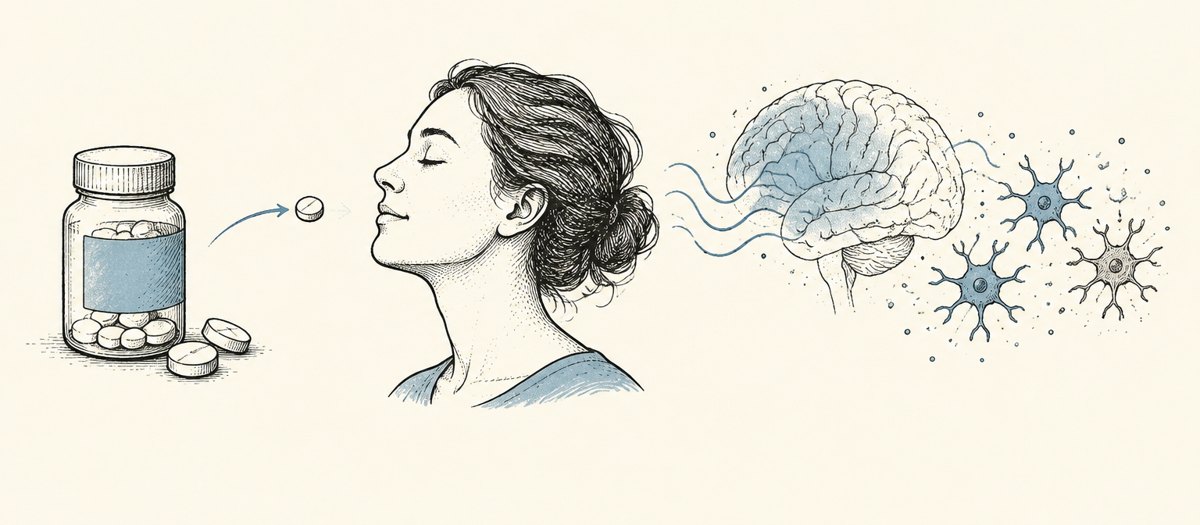
Low-Dose Naltrexone
A very small dose of naltrexone, a medication normally used at higher doses for addiction, prescribed off-label. Studied for its potential role in calming the immune system and easing chronic pain and inflammation.
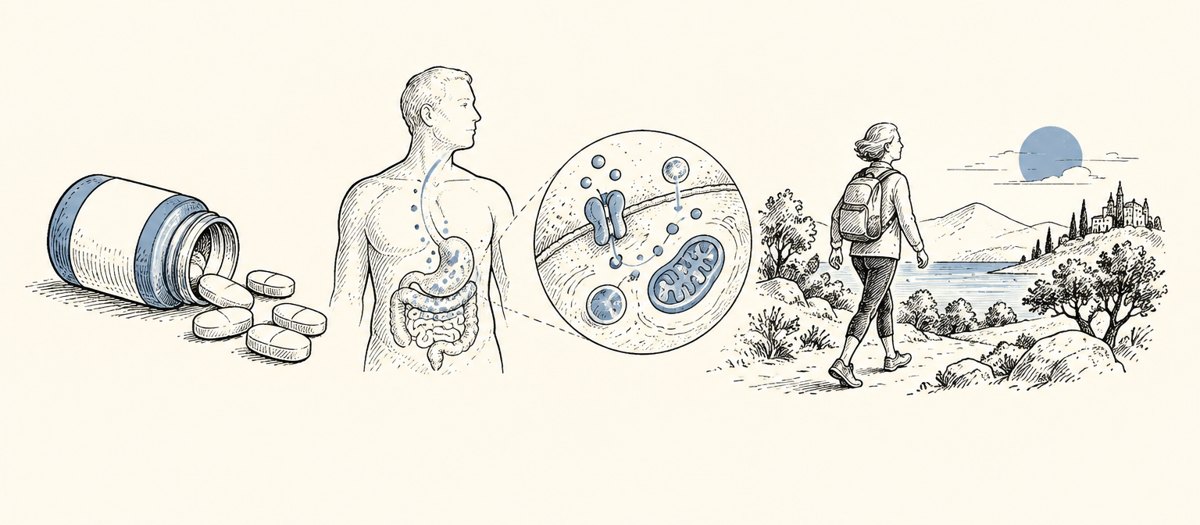
Metformin
A prescription medication commonly used to help manage blood sugar and insulin sensitivity. In the longevity community, it is also being studied for its potential effects on cellular aging and metabolic health.

Naloxone
A nasal spray or injection that can quickly reverse an opioid overdose. Commonly carried by families, friends, and first responders to help save lives in an emergency.
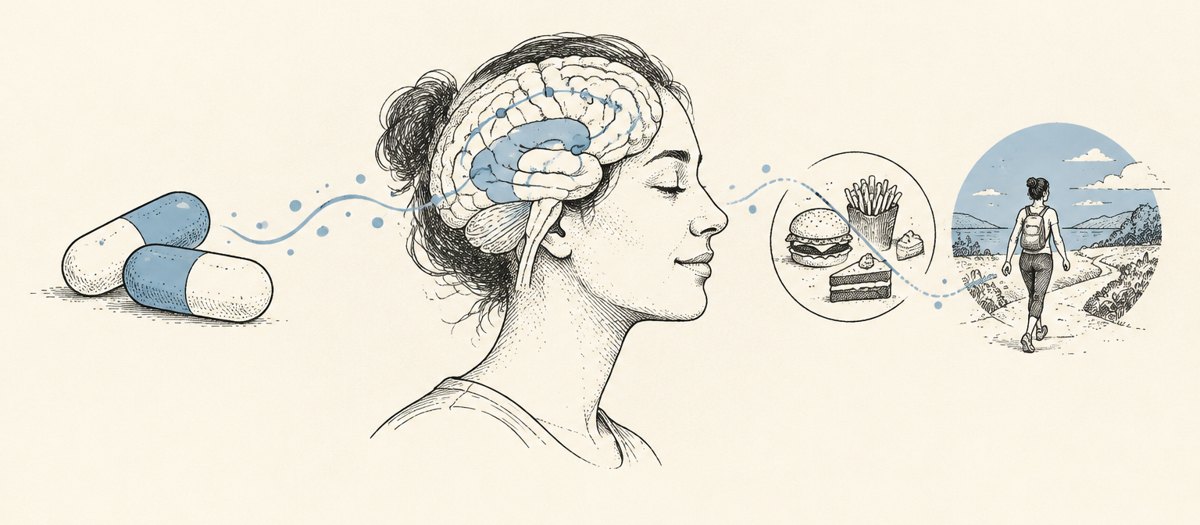
Naltrexone-Bupropion
A combination prescription medication that works on the brain's hunger and reward systems. Commonly prescribed to help reduce cravings and support weight management.

Nicotine Replacement Therapy
Patches, gum, lozenges, or sprays that deliver nicotine without smoke. Commonly used to help ease cravings and withdrawal while quitting smoking or vaping.
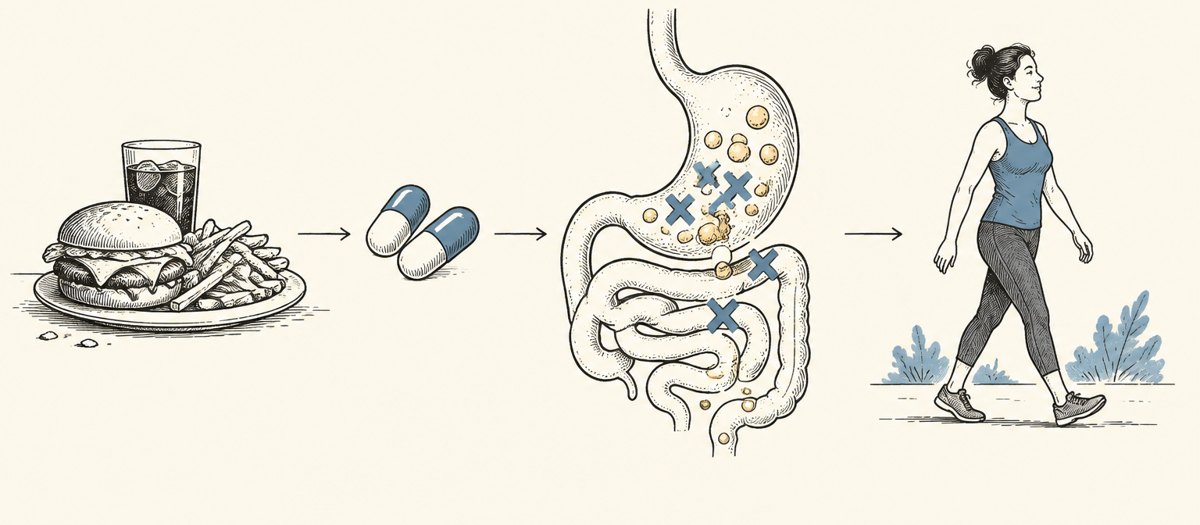
Orlistat
A medication, available by prescription or over the counter, that blocks some of the fat you eat from being absorbed. Commonly used along with diet changes to help support weight loss.
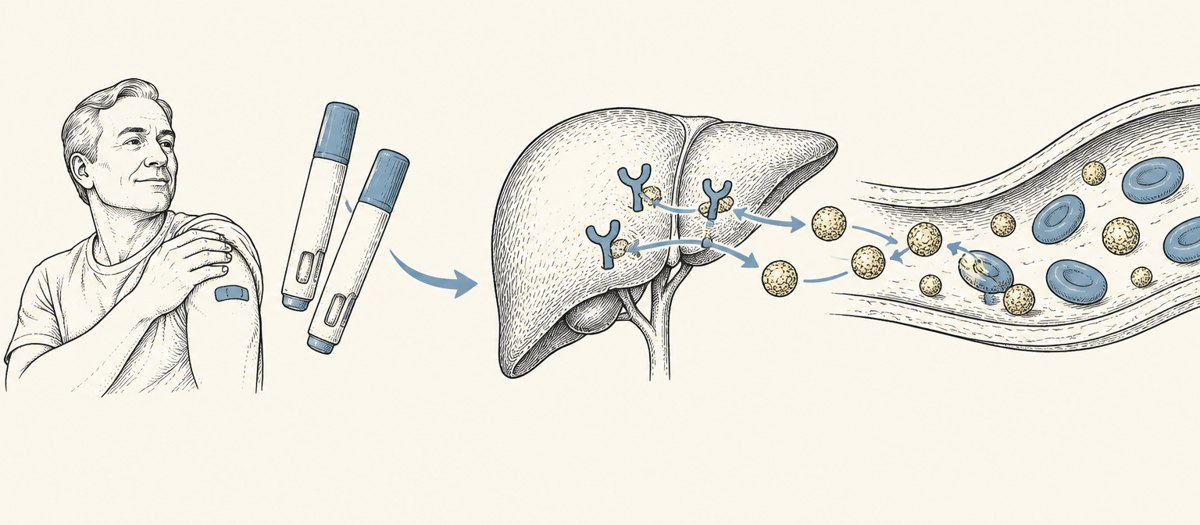
PCSK9 Inhibitors
Prescription injections, such as evolocumab and alirocumab, that help the liver remove more LDL cholesterol from the blood. Commonly prescribed for people with high LDL or high heart risk.
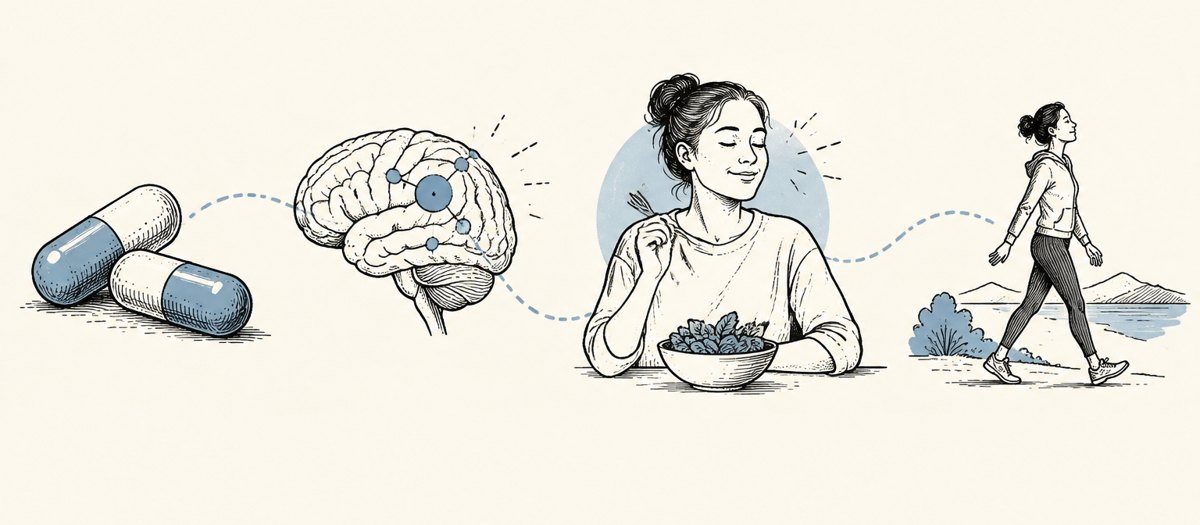
Phentermine-Topiramate
A combination prescription medication that helps lower appetite and increase feelings of fullness. Commonly prescribed to help support weight management alongside diet and exercise.

PrEP
Pre-exposure prophylaxis, a daily pill or long-acting injection used to help prevent HIV. Commonly prescribed for people at higher risk and paired with regular testing.

Preventive Vaccines
Staying up to date on recommended vaccines, such as flu, COVID-19, RSV, shingles, HPV, and pneumonia shots. Commonly recommended to help lower the risk of serious illness at different life stages.
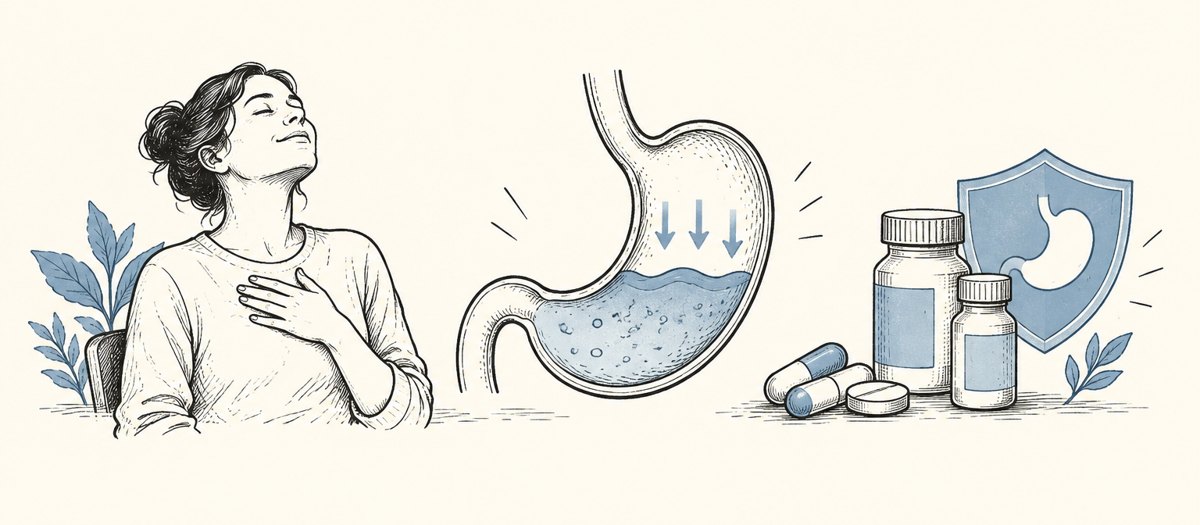
Proton Pump Inhibitors
Prescription and over-the-counter medications, such as omeprazole and pantoprazole, that lower stomach acid. Commonly used to help manage acid reflux and protect the esophagus, including in people with Barrett's esophagus.
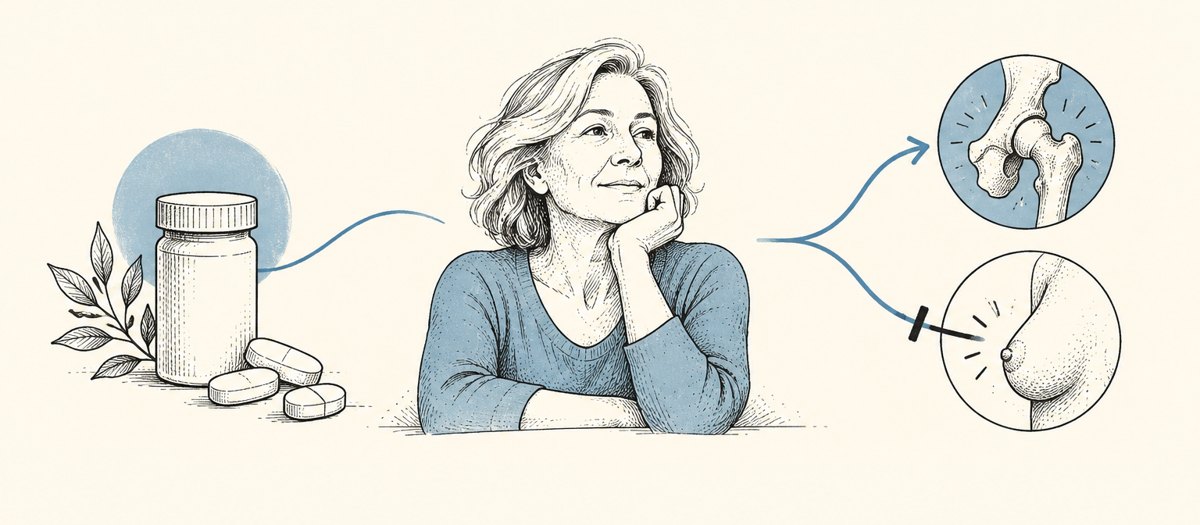
Selective Estrogen Receptor Modulators
Prescription medications, such as raloxifene, that act like estrogen in some tissues and block it in others. Commonly prescribed for some postmenopausal women to help protect bones and lower breast cancer risk.
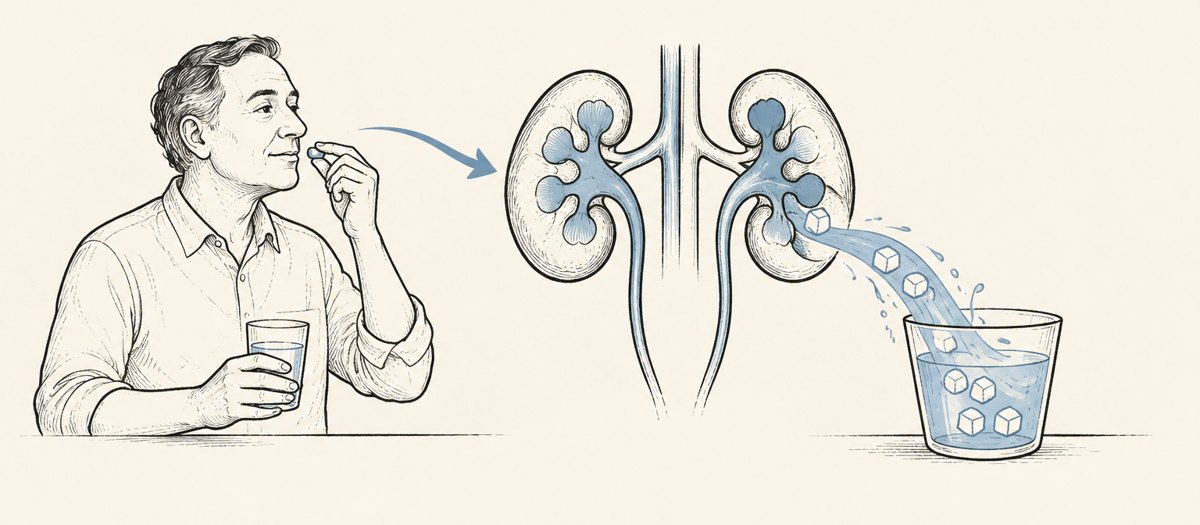
SGLT2 Inhibitors
Prescription medications, such as empagliflozin and dapagliflozin, that help the kidneys remove extra sugar through the urine. Commonly prescribed to help manage blood sugar and support heart and kidney health.
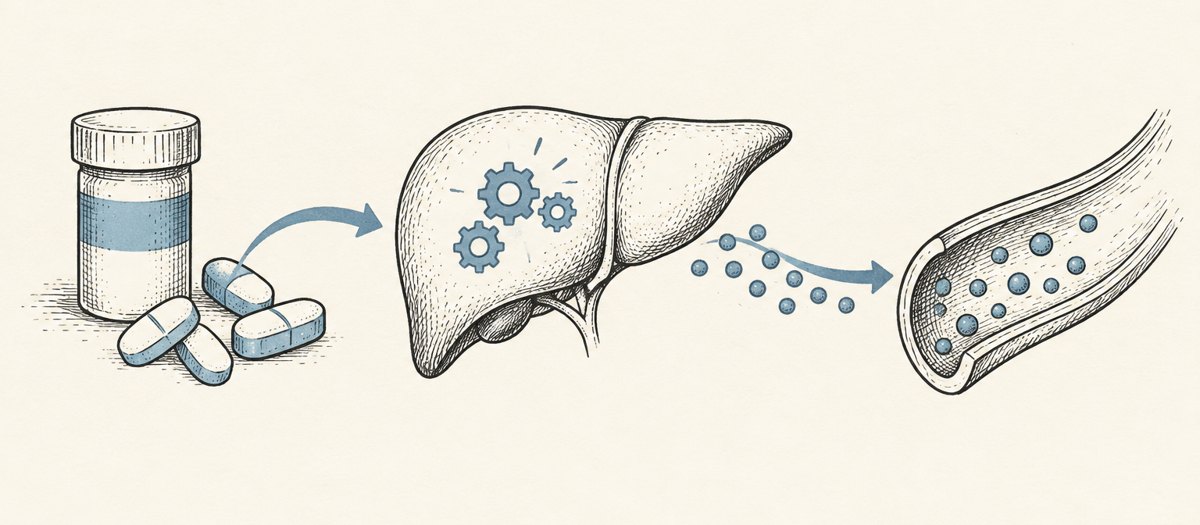
Statins
Prescription medications, such as atorvastatin, rosuvastatin, and simvastatin, that lower the amount of cholesterol the liver makes. Among the most commonly prescribed medicines to help lower LDL cholesterol and heart disease risk.
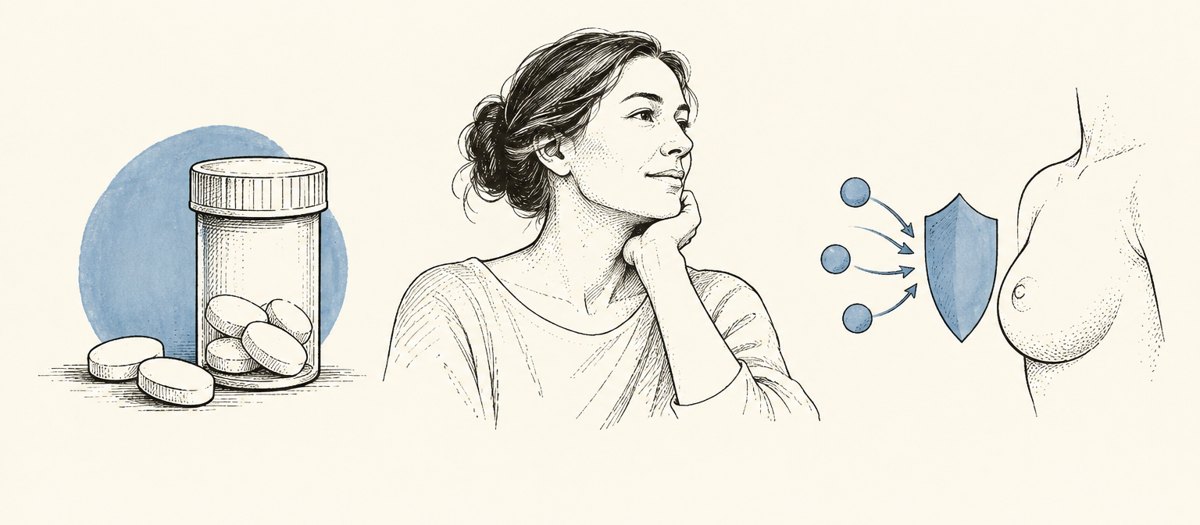
Tamoxifen
A prescription medication that blocks estrogen's effect on breast tissue. Commonly prescribed to help lower breast cancer risk in women at high risk.