Does Niacin on a supplement label mean it works?
No—listing vitamin B3 does not prove a supplement works; its exact form and amount matter.
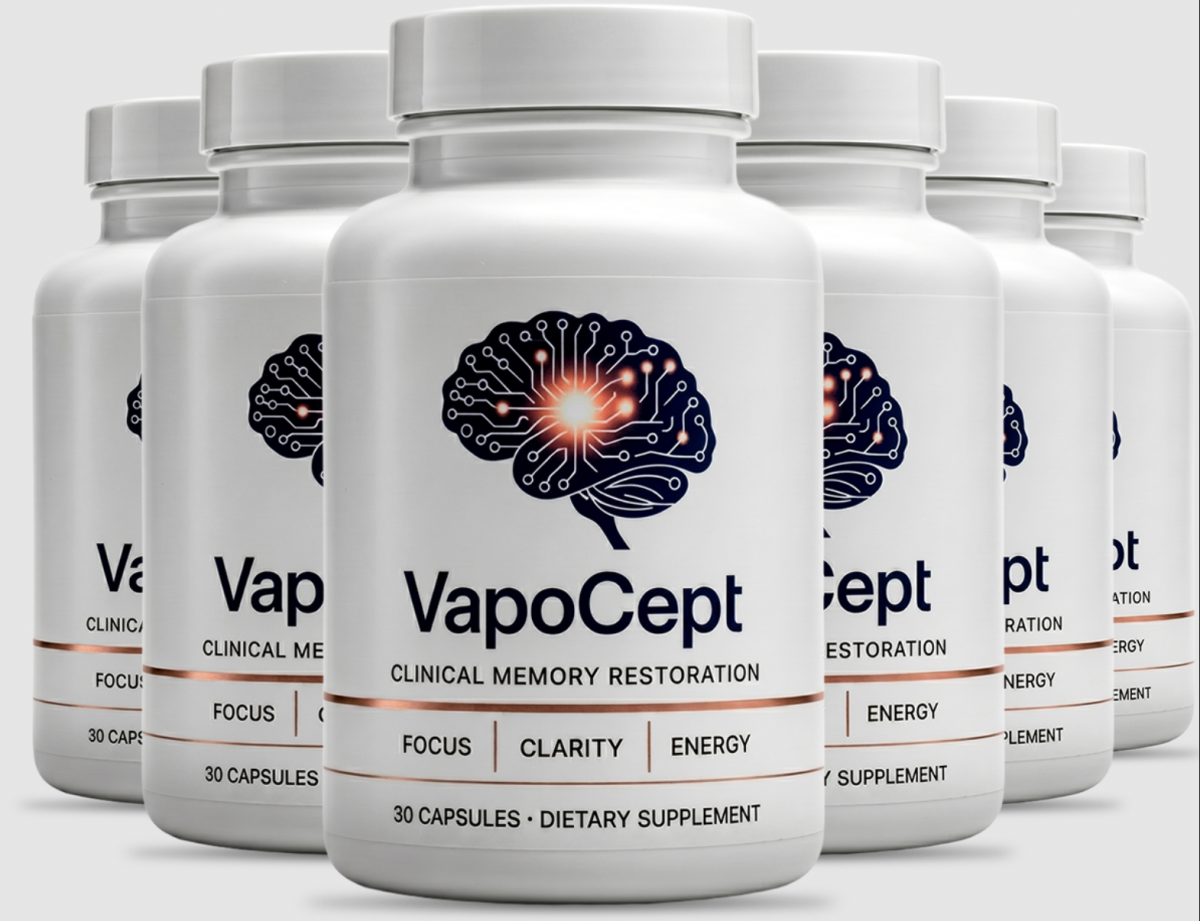
The Manila Times article covers an ingredient guide from VapoCept’s own website. It discusses Niacin, also called vitamin B3, in the product’s reported ingredient list. This is a guide about ingredients, not a study testing health outcomes in people.
The guide explains that this vitamin helps cells make and use energy. But that normal role does not prove that VapoCept offers a health benefit. Nor does its presence show that the product corrects low vitamin levels. An ingredient’s known role is not proof that a finished product works.
The label uses the name Niacina, but the exact form still needs confirmation. Forms of this vitamin can differ in their effects and side effects. Nicotinic acid, one form, can cause Skin Flushing at certain doses. Excessive intake of some forms can also cause liver problems at high doses. The supplied text gives no dose numbers or measured health changes to compare.
The guide also calls for complete Supplement Facts and records showing how the product was made. Those details help clarify what a capsule actually contains. They do not, by themselves, show whether it delivers a benefit.
For BioSocial members, this is a useful reminder when comparing supplement experiences. Recording the form, labeled dose, and dates adds context to bloodwork and symptom notes. Comparing those details with community peers is more useful than comparing product names alone. A change in your numbers is worth recording, but this guide cannot explain its cause.
What have you noticed in your own records when comparing different forms or doses of Niacin?
Comments
No comments yet.