Can mobile clinics reduce deaths among people who inject drugs?
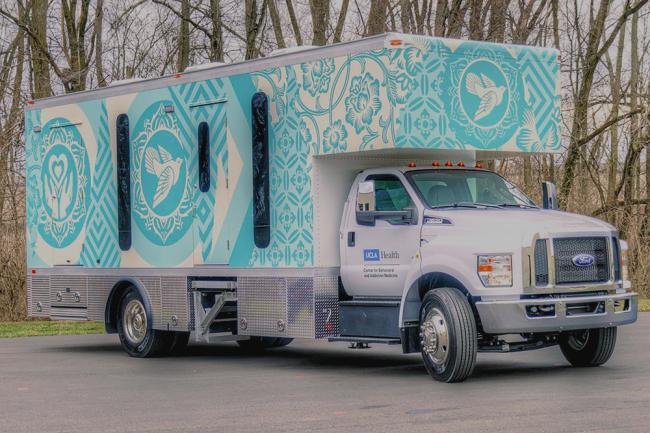
Mobile clinics combining HIV prevention and addiction care reduced deaths by 71% compared with peer help connecting people to local services alone.
The study took place in five major United States cities. It involved people who inject drugs and were at risk for HIV. Both groups received peer support to help them find and use care. One group also received services through mobile medical units. The National Institutes of Health funded the study.
Fewer deaths did not mean greater use of prevention pills. Researchers found no difference between groups in daily oral PrEP, medicine that helps prevent HIV. Confirmed use remained low at 26 weeks. Use of medicines for opioid addiction also did not differ between groups. Still, 14% used those medicines at 26 and 52 weeks. None had used them when the study began.
The 71% drop covered deaths from all causes, not just HIV. Deaths were an extra outcome researchers tracked, rather than the study’s main focus. The findings do not show that greater PrEP use explained the drop. Researchers called for studies of long-acting PrEP in this group, given low pill use.
For BioSocial members, this highlights the value of tracking access alongside habits. A record of doses and completed visits can include barriers, too. Unstable housing, stigma, and disconnected services can make ongoing care harder. Comparing notes about refill gaps or missed visits may reveal shared challenges. Those details add context to personal tracking without treating access as willpower alone.
What has made it easier or harder for you to keep up with PrEP and regular care?
Comments
No comments yet.