Can Low Dose Aspirin lower your risk of dementia?
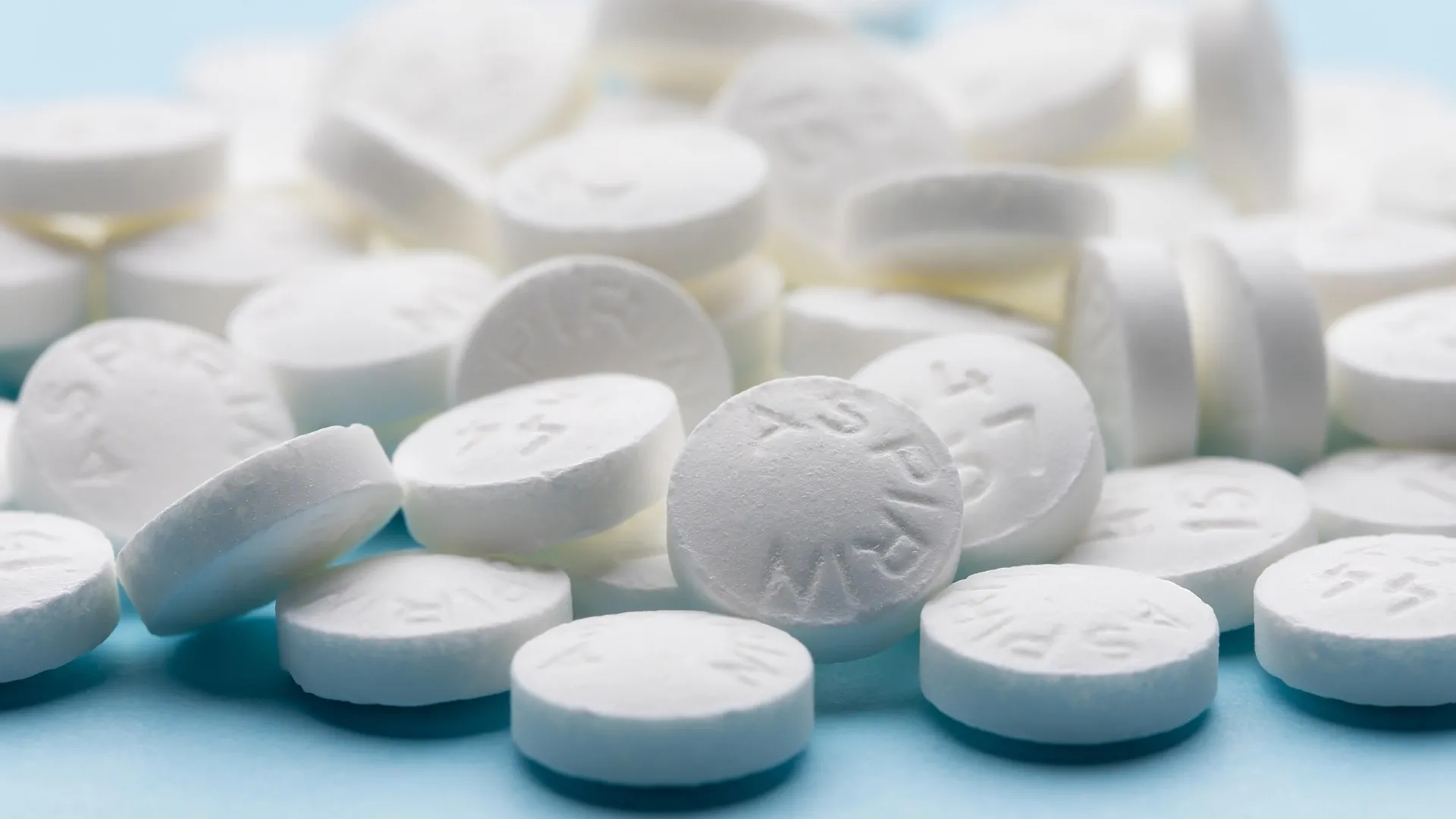
Low Dose Aspirin was linked to 70% lower relative dementia risk in older adults with a specific set of genes, not everyone.
Monash University researchers looked at aspirin use and dementia in older adults. The report describes a possible benefit from Low Dose Aspirin in one genetic group. Earlier studies found no overall protection against dementia. That difference matters: a result in one group does not apply to everyone.
The 70% figure is a relative drop. It compares risk between groups, rather than showing how many people avoided dementia. The supplied report gives no starting risk or case counts. So it cannot tell us how many fewer cases occurred. It also does not name the genes, study size, or follow-up length.
The article flags a dangerous trade-off but does not explain it in the supplied text. That leaves a key gap when weighing the possible benefit. The finding raises a question about whether genes help explain different results. It does not prove that aspirin prevents dementia. Genetic testing is described as a possible future tool, not an established way to choose treatment.
For BioSocial members, this is a reason to keep comparisons grounded. Logs of dose, days taken, and any side effects can add context when comparing notes. Bloodwork can sit alongside those records, but this report gives no blood test target for dementia protection. A change in your numbers would not establish that benefit.
What have you tracked alongside your aspirin routine, and what has stood out when comparing notes with others?
Comments
No comments yet.