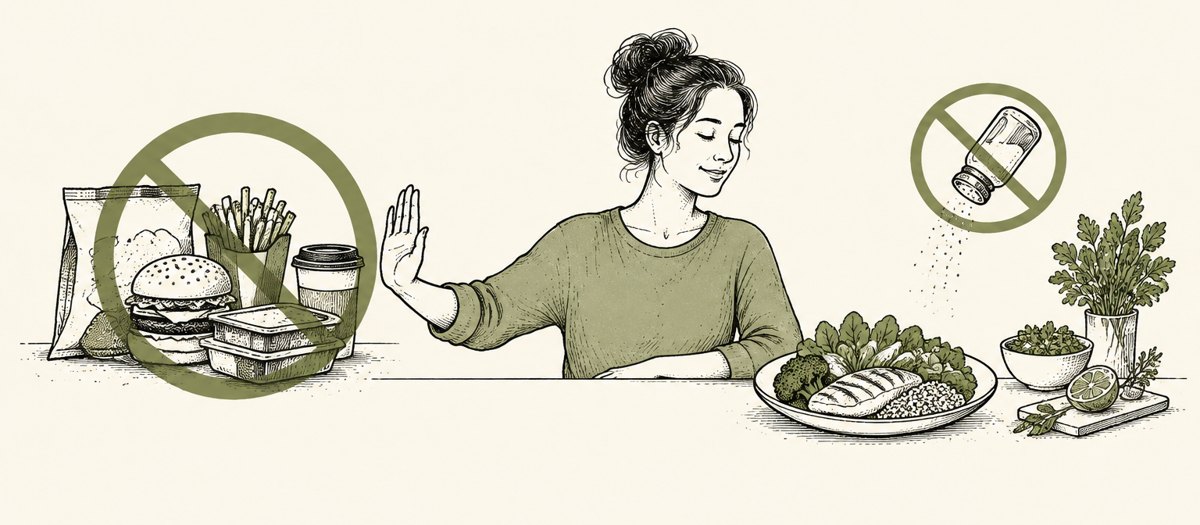
Can switching to lower-sodium salt help prevent deaths?
A global model estimates that switching to lower-sodium salt could prevent nearly 3 million deaths each year.
The study, published in Nature Health, estimated effects across the world. It tested a blend of 75% regular salt and 25% potassium chloride. The latter replaces some sodium while keeping a salty taste. Researchers modeled replacing 20%, 50%, or 100% of regular dietary salt. They did not directly test the swap in people worldwide.
The worldwide replacement estimate also suggested 10 million fewer new cases each year. These included heart and blood vessel disease and long-term kidney disease. The expected benefits came from lower blood pressure. Combining less sodium with more potassium may help more than reducing sodium alone.
But these are estimates, not observed results. They depend on assumptions about eating habits and blood pressure changes. A worldwide switch could take decades. Higher prices, limited access, and food makers’ choices could slow progress.
There is also an important risk. Added potassium can cause dangerously high Potassium blood levels, especially with kidney disease. The model predicted extra deaths from this in people with moderate-to-severe kidney disease. Still, it estimated that lower blood pressure would prevent many more deaths overall. That balance does not mean the swap is safe for everyone.
For our Low-Sodium Diet community, the useful angle is tracking real-life habits alongside numbers. Members can compare Sodium Intake logs with Blood Pressure — Systolic, the top blood pressure number. Notes about taste, cost, and consistency can add context. Personal trends cannot prove the model, but they can support thoughtful community comparisons.
What have you noticed in your numbers or daily routine after changing the salt you use?
Comments
No comments yet.