Can symptoms alone tell you if your thyroid is low?
No—symptoms alone are a poor guide, as a study of more than 25,000 people helps show.
A Psychiatric Times podcast explored thyroid testing in mental health care. Messer pointed to the Colorado Thyroid Disease Prevalence Study. It evaluated more than 25,000 health fair attendees. Complaints that sound like low thyroid function were common in the general population. How you feel matters, but it cannot confirm the cause.
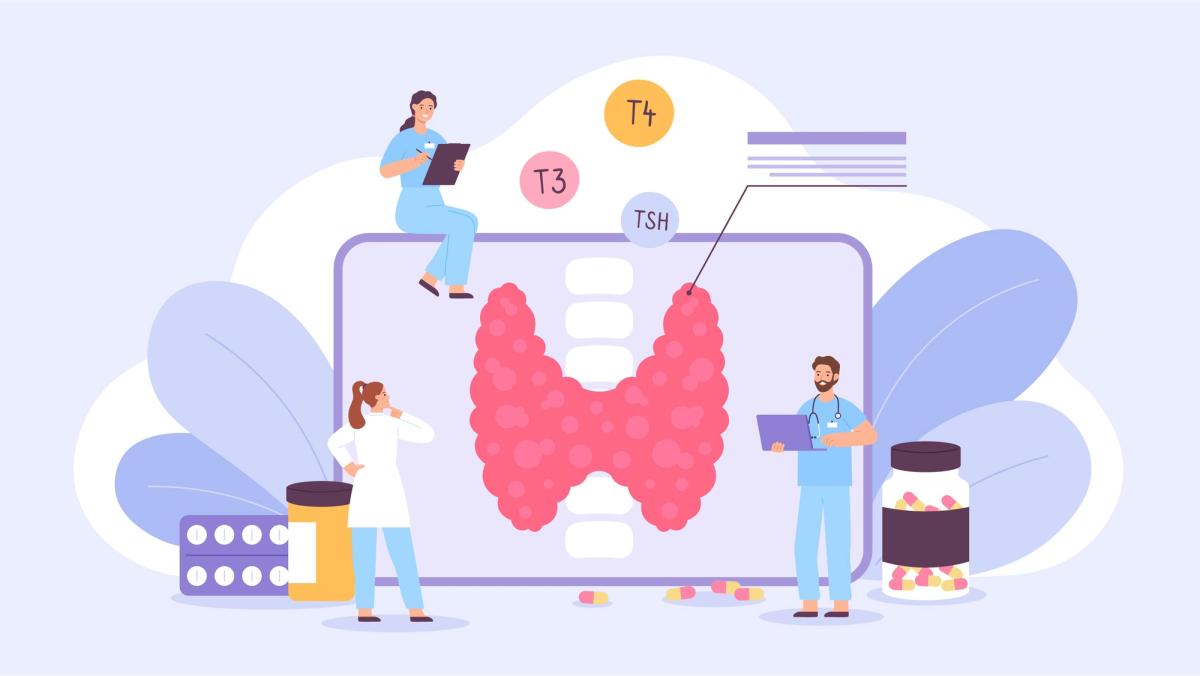
For the Thyroid Optimization community, the key takeaway is to read symptoms alongside bloodwork and age. Messer advised using TSH (Thyroid-Stimulating Hormone) alone in most cases. This hormone signals the thyroid to make hormones.
Age changes how those results should be read. Messer said levels tend to rise as people get older. Most older adults with values above 4.5 mIU/L fall within an age-appropriate range. Treating those values as disease can wrongly label Depression / Low Mood as a thyroid problem. The excerpt does not give an exact percentage for that claim.
Supplements add another piece to the picture. The podcast warned that iodine-rich kelp can harm thyroid function in some people. Products made from cow thyroid tissue can also have unknown contents. These were expert warnings, not results from a new supplement study.
For members tracking their own numbers, context makes shared updates more useful. Bloodwork dates, age, symptoms, and supplement changes can sit together in one record. Comparing those details with community peers may reveal patterns worth noting. It also leaves room for symptoms and test results not to match.
What have you noticed when comparing your thyroid bloodwork with how you actually feel?
Comments
No comments yet.