
Can improving your aerobic fitness help you live longer?
Better aerobic fitness is linked to a lower risk of death; the article cites a 13% lower risk for each small step up in fitness.
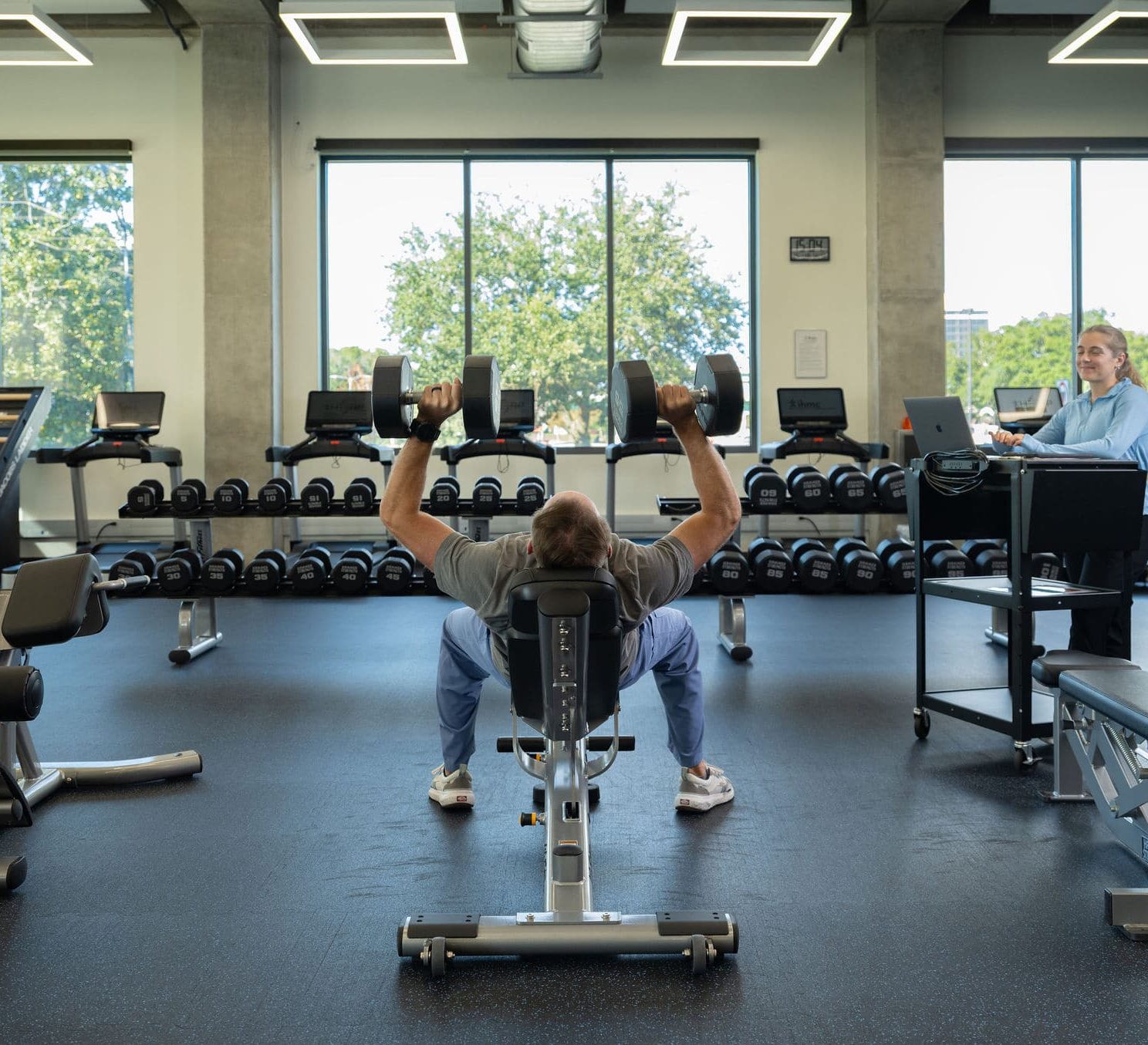
An article from the Institute for Human & Machine Cognition shares early findings from the M³AX exercise study. Bamman reports that some people in the study improved their VO2 Max. This measures how much oxygen your body can use during hard exercise. The excerpt does not give their ages, group size, or workout routine. Recruitment is still ongoing.
The gains reached two metabolic equivalents, or METs, in some people. One MET represents roughly the energy your body uses at rest. Higher exercise levels in these units mean better fitness. The article cites a 13% lower risk of death from any cause per one-MET gain. Bamman describes a two-MET gain as a 26% risk reduction.
Those risk figures are not a measured drop in deaths in this study. The excerpt reports fitness gains and uses the fitness–risk link to explain their potential value. It does not show that these workouts made people live longer.
The article also explains why blood vessels matter. They carry oxygen to working muscles. Better vessel function can improve oxygen delivery and support better fitness. That is a possible benefit, not proof that aging has been reversed.
For our VO2 Max Training community, this gives context for tracking progress beyond a single score. Sharing your starting number, latest result, test method, and time between tests makes comparisons more useful. Notes about your routine can help others understand what changed alongside your numbers. The goal is to compare experiences, not turn a fitness gain into a personal lifespan forecast.
What changes have you seen in your fitness numbers, and what routine went with them?
Comments
No comments yet.