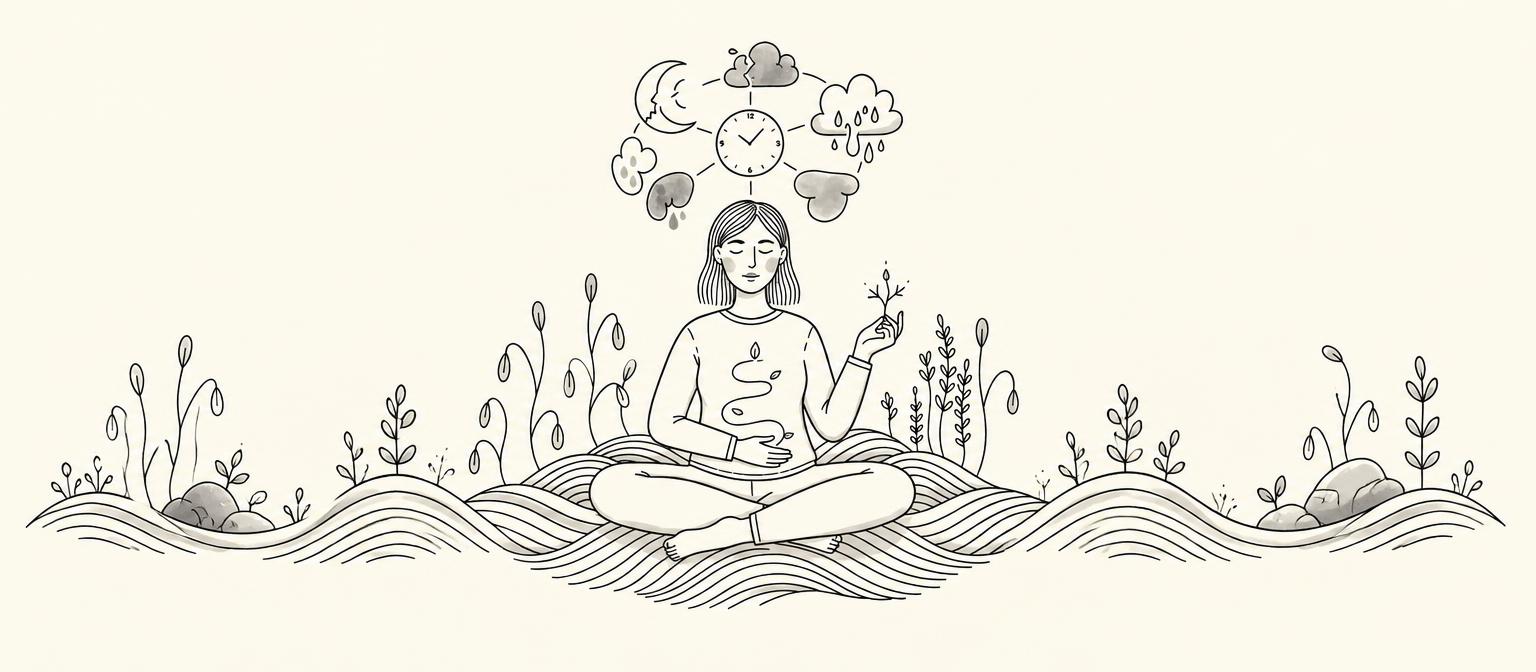
Should irregular periods in teens always be a concern?
Not always: time since the first period, hormone signs, and nutrition help explain whether a teen's cycle needs a closer look.
Contemporary Pediatrics reported this guidance from Nikta Forghani, a children's hormone specialist. She spoke at the American Academy of Pediatrics' 2026 conference. Her focus was Menstrual Irregularities in teens, including hormone conditions and too little food energy for sports. This was expert guidance, not a study testing a treatment.
One key point concerned polycystic ovary syndrome, or PCOS. This is a hormone condition that can affect periods. Forghani highlighted two required findings for a teen diagnosis: irregular cycles and signs of excess male-type hormones. Those signs can appear on the body or in blood tests. They may include Acne Breakouts, excess hair growth, or high Free Testosterone, a measure of hormone available for the body to use.
The challenge is that cycle changes and skin changes can also accompany puberty. An irregular cycle alone does not establish PCOS. Guidance for teens differs from guidance for adults. The report gives no exact cycle-day limits or blood-test cutoffs. It also gives no numbers showing how well a treatment works.
For this community, the takeaway is to track context alongside dates. A record of Menstrual Cycle Length can sit beside notes on when periods first began, sports demands, and eating patterns. Bloodwork adds another piece, rather than replacing that history. Comparing notes with peers may help members describe their patterns more clearly. It does not mean similar patterns have the same cause.
Looking back at your teen years, what cycle patterns or other changes stood out in your records?
Comments
No comments yet.