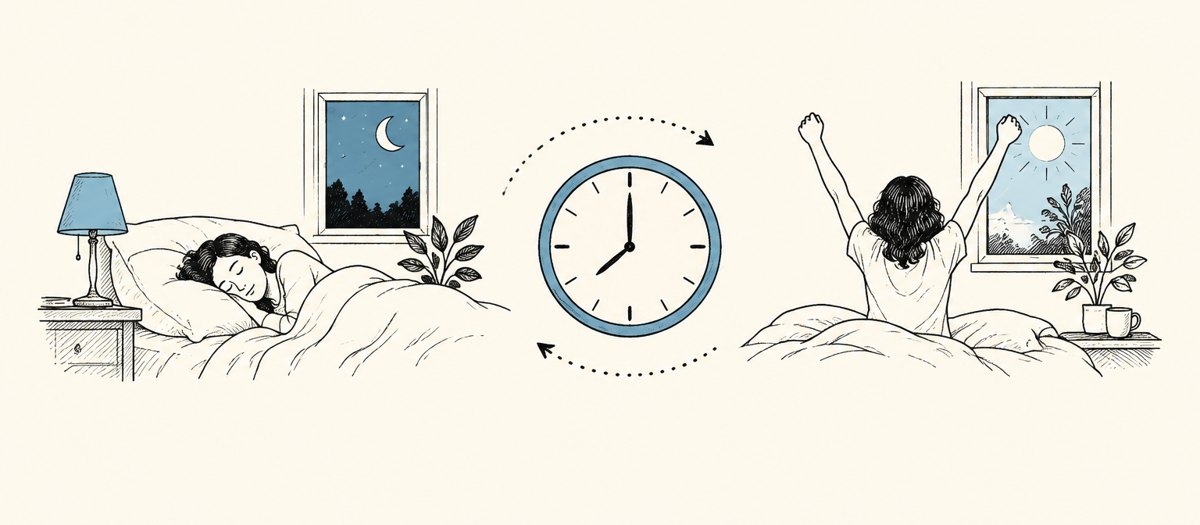
Is an irregular sleep schedule linked to worse mental health?
Yes—irregular sleep timing was linked to worse mental health in a study of about 23,000 people.
Researchers at UC San Francisco and UC San Diego examined smart-ring records. The people in the study averaged 46 years old. Just under half were women. Each person contributed an average of 154 days of sleep data.
The rings estimated when people fell asleep and woke up. Researchers then scored how steady those patterns were, from 0 to 100. Higher scores meant more regular sleep timing. Monthly surveys measured Anxiety, Depression / Low Mood, and loneliness.
Less regular sleep was linked to worse anxiety and depression symptoms. The links were stronger when researchers used months of records. A shorter “typical week” snapshot showed weaker links. That makes the longer view an important part of this finding.
A link does not prove cause. This study did not test whether changing sleep timing improved mental health. The source also gives no exact size for the symptom differences. It does not establish an ideal sleep-timing score.
For our Consistent Sleep Schedule community, the useful takeaway is about tracking patterns over time. Bedtime and wake-up records can sit alongside notes about how you feel. Comparing several weeks or months may be more useful than judging one rough night. Sharing those patterns with peers can help put your own numbers in context, without treating someone else’s experience as a promise.
What have you noticed about your mental health during weeks with steady versus shifting sleep times?
Comments
No comments yet.