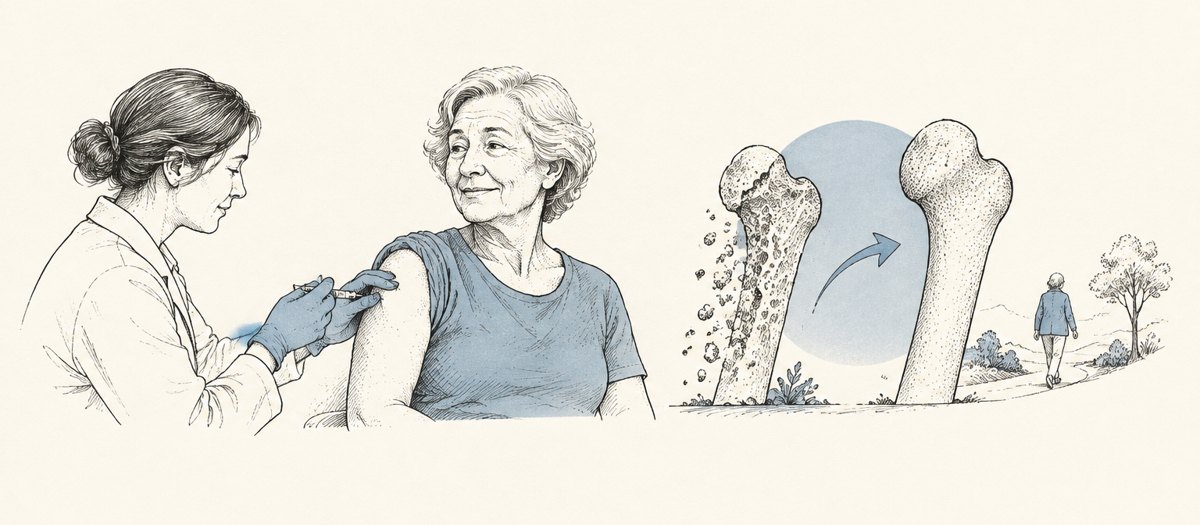
Does Denosumab raise jawbone risk more than similar drugs?
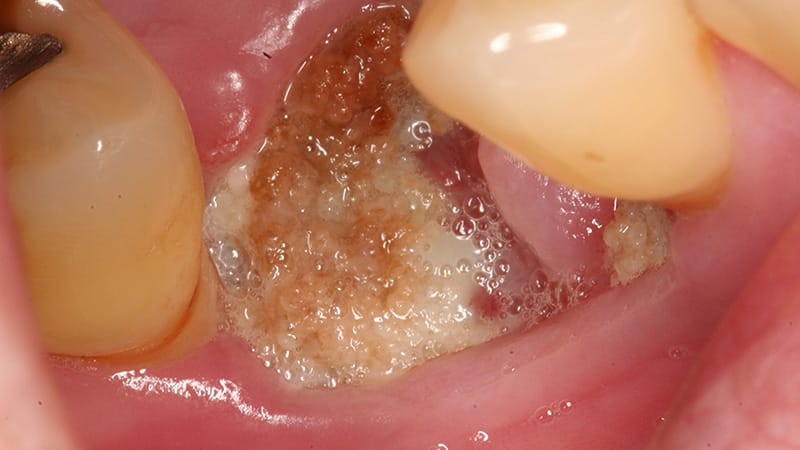
There was no clear difference from another common bone drug group; jawbone damage occurred at 0.36 cases per 1,000 years of use.
The study compared people starting medicines that slow bone breakdown. These included Denosumab, an injection, and Bisphosphonates, another group of bone medicines. Researchers grouped people by when they started treatment. They tracked new cases of exposed jawbone that did not heal within eight weeks. Follow-up ran through December 2023.
The reported rates were 0.36 cases for Denosumab and 0.38 for Bisphosphonates per 1,000 person-years. That measure adds together each person’s time taking the medicine. For example, 1,000 people followed for one year total 1,000 person-years. The reported rates were low, but the findings do not prove equal risk.
A separate look at the data included medicine switches and restarts. It counted 163 new cases across the groups. The Denosumab rate rose to 0.71 cases per 1,000 person-years. Even then, the comparison did not show a clear risk difference. The researcher said earlier Bisphosphonates use and longer total treatment likely explained the higher rate.
For BioSocial members, this highlights why a treatment timeline matters. Injection dates, past medicines, and total years of use add context. Those details can sit alongside your own tracked numbers and dental experiences. Comparing notes with others is more useful when treatment histories are included. This report examined jawbone harm, not changes in bloodwork or bone strength.
What have you noticed about your dental health during Denosumab use, and how does that fit with your treatment timeline?
Comments
No comments yet.