Can the Mediterranean Diet boost proteins that protect your cells?
Closer diet habits were linked to higher levels of two tiny proteins that may help protect cells.
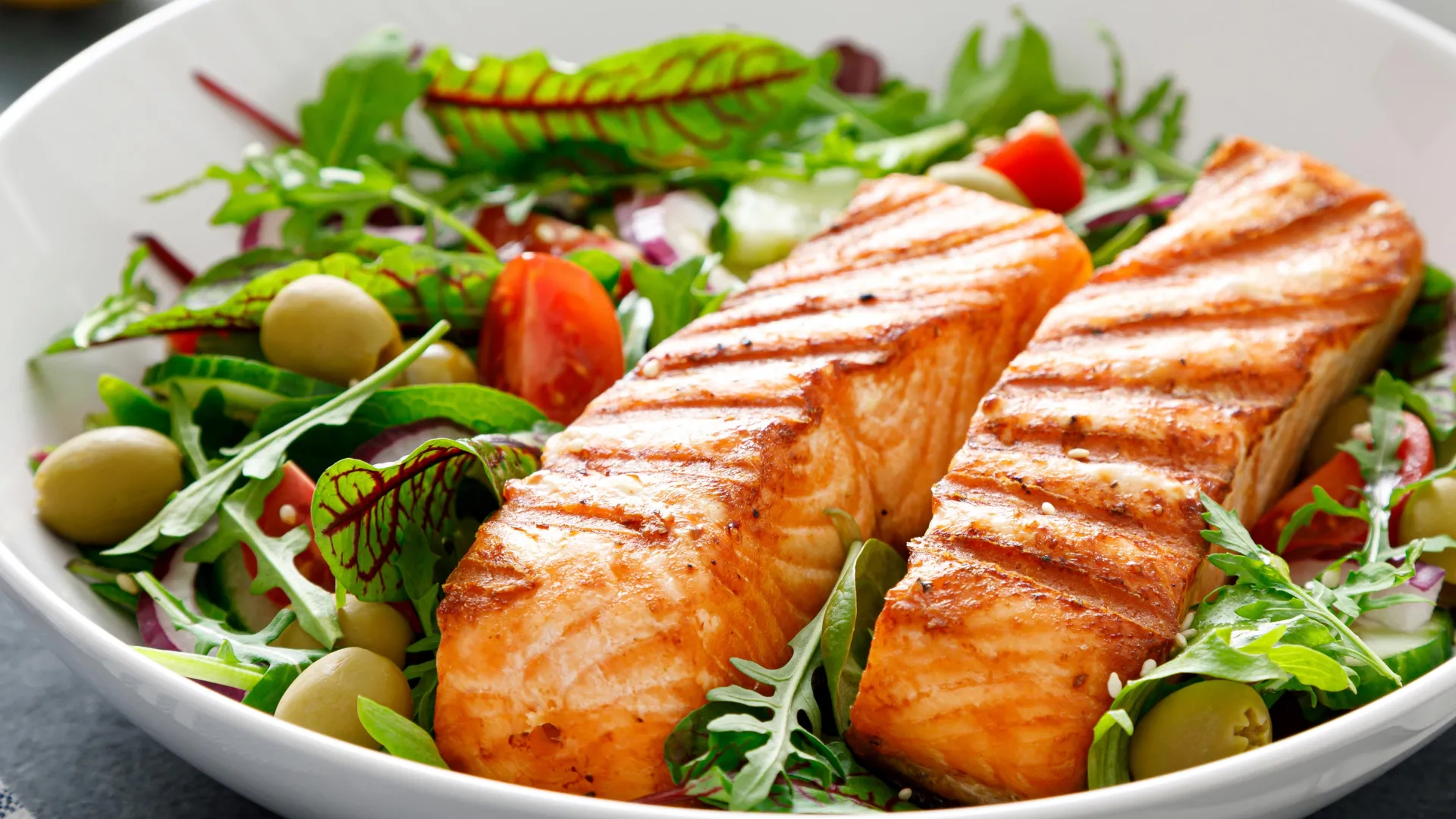
Researchers examined blood samples from older adults following the Mediterranean Diet to different degrees. This eating pattern centers on olive oil, fish, beans, lentils, fruits, and vegetables. The report came from the University of Southern California and appeared in ScienceDaily.
People whose meals matched the diet most closely had higher blood levels of humanin and SHMOOSE. These are tiny proteins linked to the energy-making parts of cells. The supplied report does not give the size of those differences. It also does not state how many people were studied.
Higher humanin levels were also linked to lower activity of Nox2. This is a protein involved in making molecules that can damage cells in excess. That finding suggests a possible way humanin could help protect blood vessels. Researchers propose that the diet may limit cell damage while supporting these tiny proteins.
This is a link, not proof that the diet raised protein levels. The findings also do not show that these proteins prevented heart or brain disease in the people studied. They offer a possible explanation for benefits, rather than a promised result.
For BioSocial members, this is a reason to compare food habits alongside bloodwork over time. If you track LDL Cholesterol, keep those results separate from this protein finding. The supplied report gives no changes in that measure. Sharing meal patterns, dates, and results can make community comparisons more useful, without assuming everyone will respond alike.
What changes, if any, have you seen in your bloodwork while following this eating pattern?
Comments
No comments yet.