Can short bursts of hard exercise lower blood pressure?
Yes—in a 12-week study, hard cycling intervals lowered daylong blood pressure by 6.1/3.5 mmHg more than the control group.
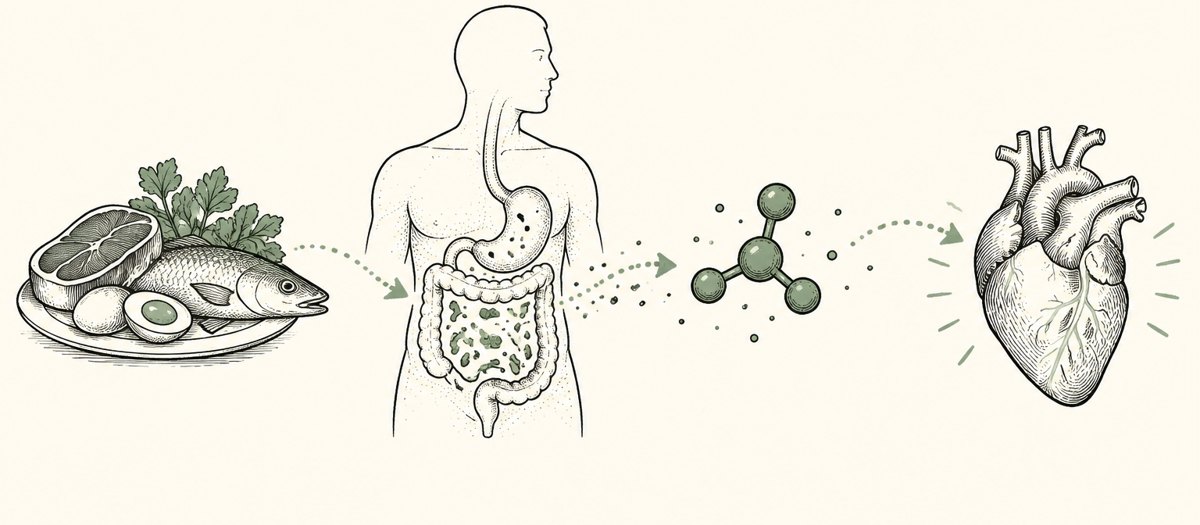
The study included 60 adults with high blood pressure, averaging about 60 years old. Researchers assigned them by chance to an exercise group or a control group. They also tracked TMAO (Trimethylamine N-Oxide), a substance made through gut microbes and liver processing.
The exercise group did High-Intensity Interval Training (HIIT), which pairs hard efforts with easier recovery. They cycled three times weekly. Each session included 10–15 rounds of one hard minute, then one easier minute.
Over 24 hours, Blood Pressure — Systolic, the top number, fell 6.1 mmHg more than in controls. Blood Pressure — Diastolic, the bottom number, fell 3.5 mmHg more. Office readings also improved, by 6.9/3.1 mmHg more than controls.
Blood levels of the gut-linked substance fell by 1.41 micromoles per liter after training. Three other substances made by gut microbes increased. Arteries also became less stiff. Larger drops in the gut-linked marker went alongside larger improvements in pressure and artery stiffness.
Moving together does not prove cause. The study does not show that lowering this marker caused the pressure changes. It also does not establish a target blood level or prove fewer heart problems.
For BioSocial members, this offers a useful comparison beyond a single lab result. Exercise logs, bloodwork dates, and pressure trends can help put changes in context. Comparing notes may reveal shared patterns without assuming everyone will respond alike.
What changes have you noticed in your bloodwork or pressure readings alongside interval exercise?
Comments
No comments yet.