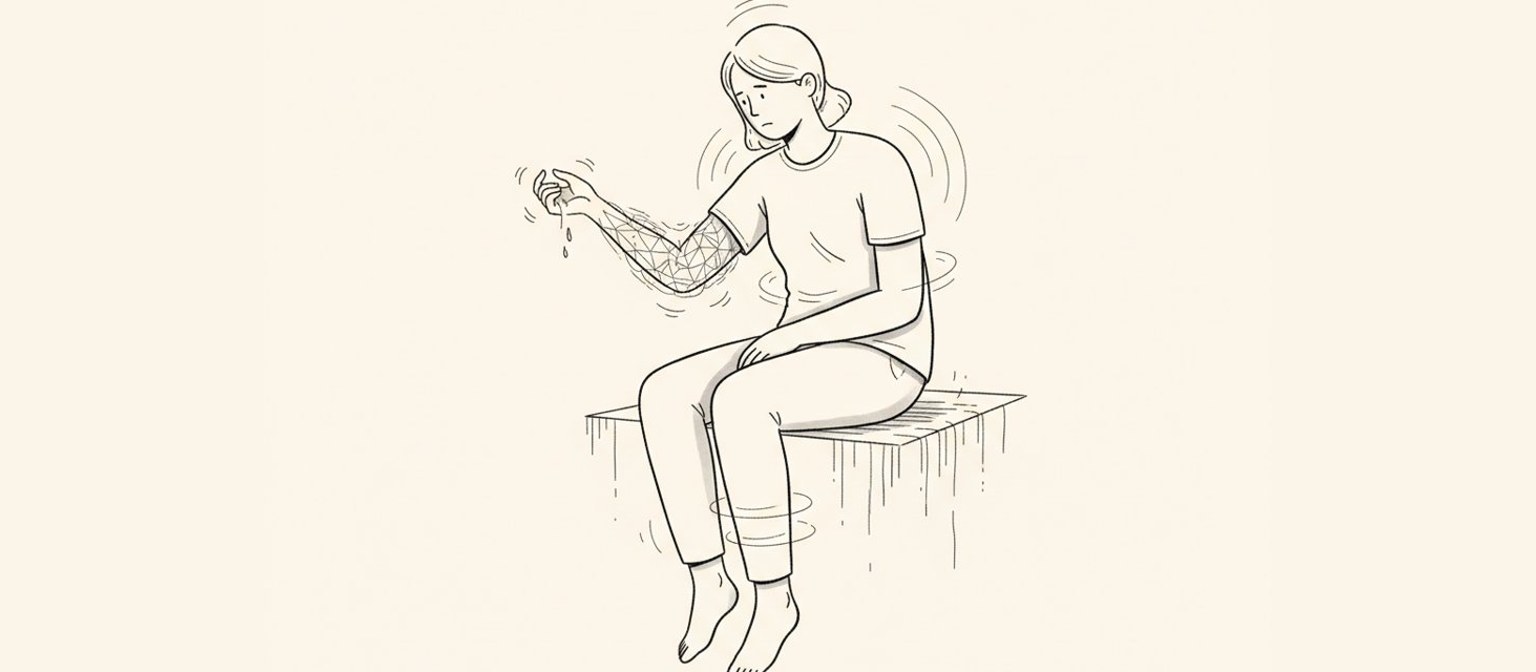
Can shorter exercise sets help people with Parkinson’s move better?
It’s not clear yet: researchers are testing sets stopped at a 10% versus 30% drop in movement speed in people with Parkinson’s.
The University of Miami report describes a study, not completed results. It focuses on fast movements during Strength Training. Earlier research suggests this approach can improve physical performance. But researchers still don’t know how tired muscles should get during each set.
For people with Parkinson’s, Muscle Weakness and slower movement can make getting around harder. They can also contribute to falls. The study asks whether stopping sets sooner helps preserve speed and power. It also tests whether more repetitions produce greater changes in muscle size and quality.
People in the study will use machines, including leg and chest presses. One group will stop when movement speed drops by 10%. The other will stop at a 30% drop. Both groups will follow the same exercises and planned increases in resistance. Each session will be tailored to the person’s abilities and needs.
Stopping earlier means fewer repetitions and may limit fatigue. Continuing longer means more total exercise, which could encourage more muscle growth. These are possible benefits, not findings from this study. Researchers will assess strength, movement speed, power, and muscle size and quality. They will also assess Walking Speed, balance, and the ability to rise from a chair.
For BioSocial members, this highlights why repetition counts alone tell an incomplete story. Training logs can capture resistance, repetitions, and how movement changes during a set. Comparing those notes with everyday movement may make community discussions more useful. This report doesn’t yet establish which stopping point works better.
What patterns have you noticed between your exercise sets and how easily you move afterward?

Comments
No comments yet.