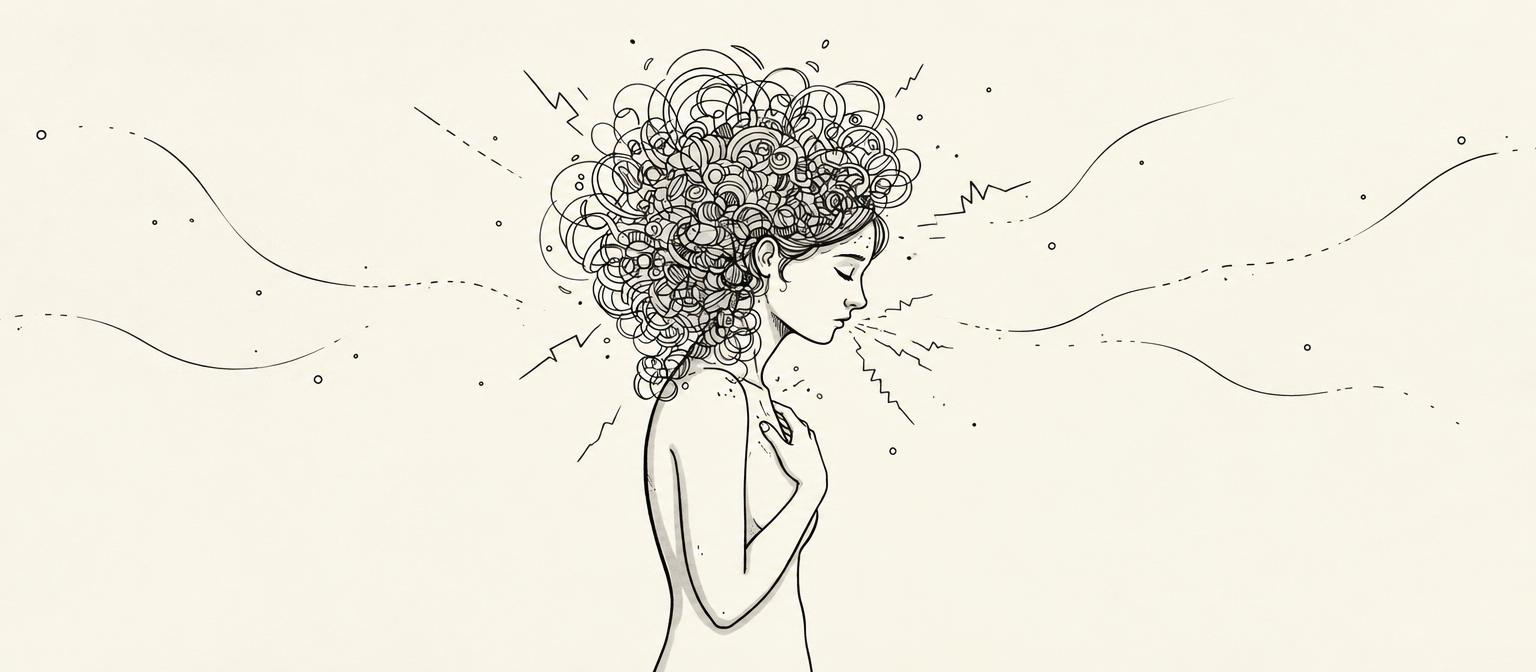
Is an irregular sleep schedule linked to more anxiety?
Irregular sleep schedules were linked to more severe Anxiety symptoms, but the study did not show that they caused them.
Researchers at UC San Francisco and UC San Diego examined months of wearable data. They looked at how closely sleep and wake times matched each day. The large study linked those patterns with mental health symptoms. The provided report does not give the number of people studied or their ages.
People with less regular schedules reported more severe Anxiety, Depression / Low Mood, and loneliness. The report does not say how much symptoms differed between groups. Unlike much earlier sleep research, this study focused on timing. It did not focus mainly on Sleep Duration or sleep quality.
The authors offered a possible explanation: changing sleep times may disrupt the body’s daily clock. It can also shift light exposure, meals, exercise, and social activity. Those daily cues help keep that clock on track.
Still, the link could run both ways. Poor mental health may make sleep schedules less regular. The authors say future studies should test whether steadier schedules improve mental health. This study alone cannot answer that question.
For BioSocial members, a Consistent Sleep Schedule is a useful pattern to track alongside symptoms. Bedtimes, wake times, and daily symptom ratings could make community comparisons more meaningful. Looking across several weeks may help separate a repeated pattern from one rough night. These personal notes can show what moves together, without proving what causes what.
What patterns have you noticed between changes in your sleep timing and your Anxiety ratings?

Comments
No comments yet.