Can daily habits predict repeated infections in preschoolers?
This excerpt does not show whether daily habits reliably predict repeated infections in preschoolers; the results are missing.
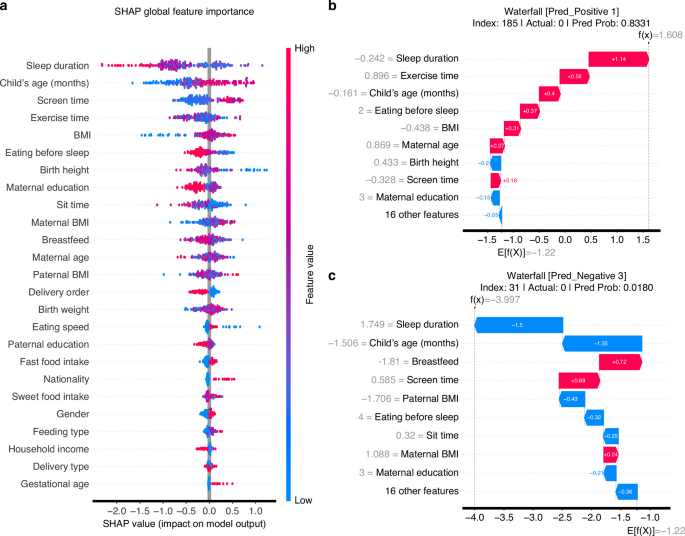
The study explored repeated infections of the nose, throat, and lungs. It used two surveys, from 2020 and 2025, involving preschool children. Researchers collected details about family background, pregnancy, birth, and daily habits. They used Chinese national guidelines to identify children with repeated infections.
The goal was to find patterns using computer tools that learn from data. Researchers also aimed to build a website to estimate each child’s chance of repeated infections. That goal is relevant to our Frequent Illness / Infections community, especially members tracking illness across their household.
But the supplied text leaves out the findings. It gives no child count, infection rates, strongest links, or prediction accuracy. The references mention earlier work on sleep and physical activity. Those citations do not tell us what this study found.
The surveys also captured information at two points in time. That approach can look for links, but cannot prove a habit caused fewer infections. Nor does this excerpt support applying a preschool prediction tool to adults.
For community tracking, the useful distinction is between noticing patterns and explaining them. Members can compare illness counts and days sick over the same time span. Notes about changes in routines can add context. These are ways to organize personal records, not findings from this paper. Shared logs can help frame better questions without treating every pattern as a cause.
What patterns have you noticed in your household’s illness counts and recovery time?
Comments
No comments yet.