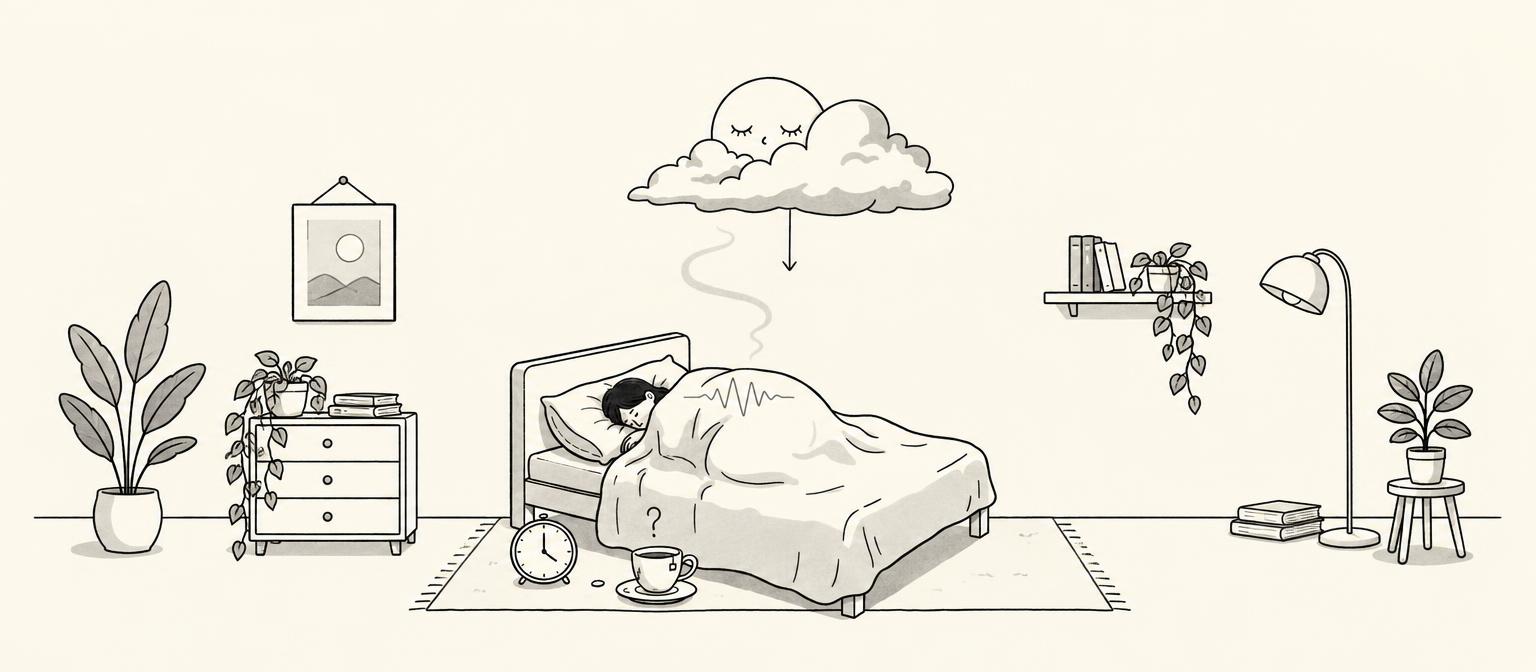
Why am I still tired after the clocks fall back?
The extra hour may not help if your sleep is interrupted or your body clock is out of step with your schedule.
Baptist Health’s article explores why the fall time change can leave people tired. It features Tamara Jordan, a sleep medicine physician at Baptist Health. This is practical guidance, not a study reporting measured changes in morning energy. For our Low Energy on Waking community, the key point is that time in bed is only part of the picture.
The article notes that eight hours in bed can still leave someone exhausted. Repeated waking can keep sleep from feeling restful. Alcohol, caffeine, stress, pain, medications, and noise can all interfere. Using the extra hour to stay up later may also worsen the mismatch between your body clock and daily schedule.
Jordan highlights a Consistent Sleep Schedule, with similar bedtimes and wake times throughout the week. Late weekend nights and sleeping in can shift the body’s clock away from weekday demands. The article also explains that natural morning light helps reinforce the wake signal. Spending time outdoors after waking may help the body adjust. Bright light and screens near bedtime can work against sleep signals.
For members tracking Sleep Duration, this offers a useful reason to look beyond total hours. A daily log could pair that number with bedtime, wake time, and overnight interruptions. A simple morning energy rating could add context. Comparing weekday and weekend notes with the community may reveal patterns worth following. Those patterns would not prove what caused a change, but they could make shared experiences more useful.
What patterns have you noticed between your sleep timing and how you feel on waking?

Comments
No comments yet.