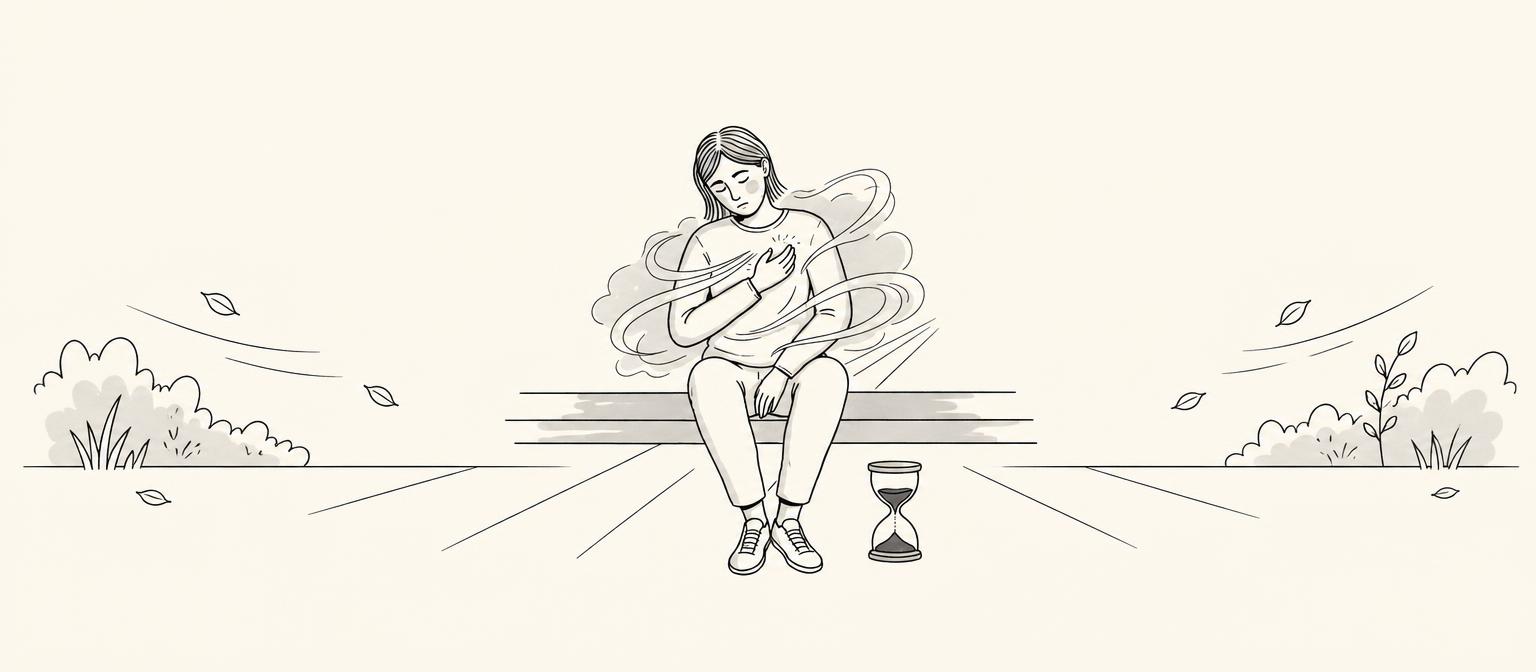
What helps when exercise feels too hard to sustain?
Matching activity to your energy and alternating it with rest may help, according to Osmosis.
The article explains activity intolerance, called Exercise Intolerance on BioSocial. It covers people who struggle to finish everyday tasks because of tiredness, breathing trouble, or pain. This is an educational overview, not a study testing a routine. It reports no group size, measured gains, or recovery timeline.
Its main message is that activity plans should fit each person's abilities. The article describes planning tasks, watching the body's response, and alternating activity with rest. It also lists enough sleep, support devices when needed, and treatment for the underlying cause. It does not give one exercise target for everyone.
Several factors can make activity harder, including poor nutrition, inactivity, and disrupted sleep. Signs can include Muscle Weakness, Dizziness / Lightheadedness, and a racing heart during effort.
The article also highlights chronic fatigue syndrome. This condition involves extreme tiredness that rest does not resolve. Physical or mental activity can make it worse. That matters when reading its general advice: more activity is not the takeaway for everyone. The source does not test whether its suggested routines help this group.
For BioSocial members, the useful takeaway is tracking context, not chasing higher totals. A log could pair Daily Steps with task length, rest breaks, and how the effort felt. Those notes can make community comparisons more useful than activity numbers alone. They can also show whether similar tasks feel different across days. Shared patterns are observations, not proof that a routine caused a change.
What have your own logs shown about activity, rest breaks, and how you feel afterward?

Comments
No comments yet.