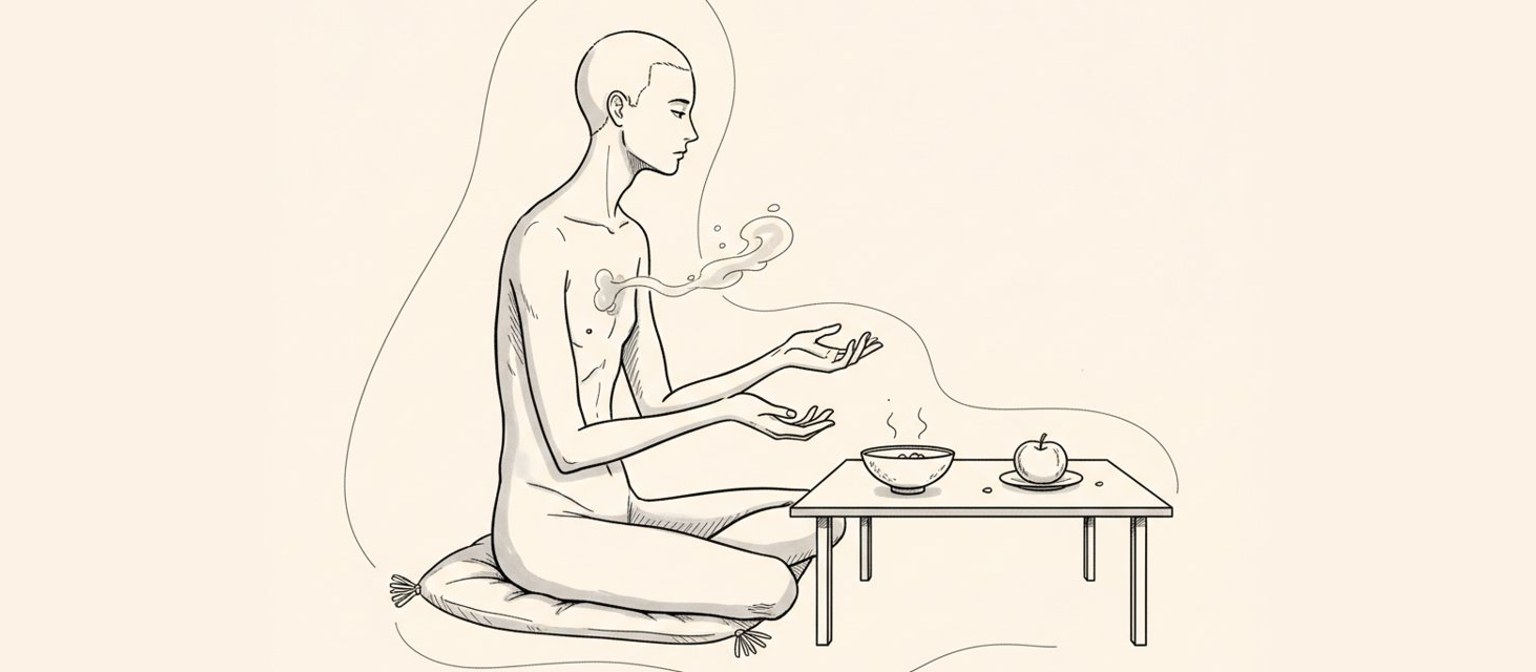
Can getting more sleep help you eat less without trying?
Yes—in one study, adults who slept a little over an hour longer ate about 270 fewer calories a day without a food plan.
NPR reported on a study of 80 overweight adults who regularly slept too little. Researchers assigned half, by chance, to receive guidance on sleeping longer. That group added a little over an hour of sleep each night. They ate less even though researchers did not ask them to change their food.
For the Loss of Appetite community, eating less is not the same as losing the desire to eat. This study looked at food intake in adults short on sleep. It does not show that longer sleep causes unwanted appetite loss. The reported 270-calorie drop also is not a target for every person.
The article offers one possible reason for the change. Too little sleep can make sweet and salty foods harder to resist, especially later in the day. But the role of hormones that control appetite remains unclear. Some studies found changes in those hormones; others did not.
For members comparing their own patterns, sleep adds useful context to food logs. Sleep Duration and Daily Calories (Energy) can sit alongside notes about the desire to eat. Those records may help separate fewer snacks from meals that feel hard to finish. Comparing notes with the community could reveal patterns worth watching, without assuming sleep explains every change.
What have you noticed about your desire to eat, or your food logs, after longer versus shorter nights?
Comments
No comments yet.