Why can getting treatment for low iron be so hard?
Cost, gaps in coverage, and poorly connected care can make low iron treatment hard to access, health workers in Alberta reported.
The CMAJ study explored care for women in their childbearing years. It focused on anemia caused by too little iron. Anemia means the blood cannot carry as much oxygen as it should. The findings reflect health workers’ views, not a test of which treatment works best.
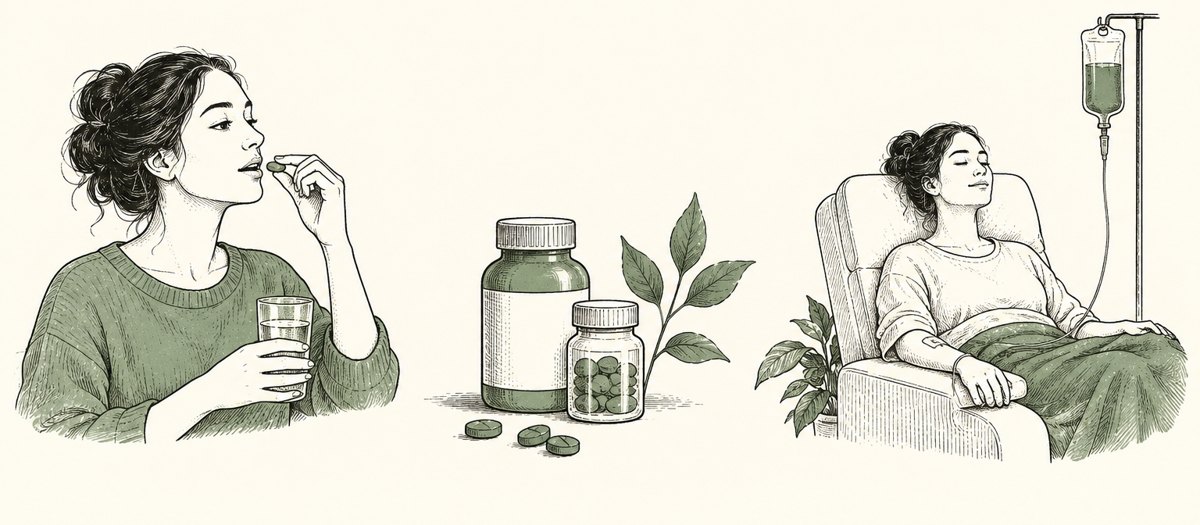
For the Iron Supplementation community, access was a key concern. Several health workers said they had never encountered insurance plans covering iron pills. Coverage limits also affected some newer iron treatments given through a vein. People without private insurance could face out-of-pocket costs. Clinic fees could determine whether someone with little money could get treatment.
The barriers went beyond price. Health workers described misinformation, uneven access to services, and differences in care despite shared guidelines. They also reported poor coordination between services and trouble addressing what caused low iron. Cultural taboos, difficulty understanding health information, and mistrust could keep women from seeking care.
The excerpt gives no dollar amounts or rates of missed treatment. It also does not show changes in blood test results. Its main message is about the hurdles surrounding care, rather than treatment effects.
For members tracking their own bloodwork, those hurdles are useful context. A timeline could pair test dates and results with treatment dates, costs, and access gaps. Comparing notes this way can make community discussions more useful. It leaves room for the practical barriers behind each person’s numbers, rather than treating consistency as willpower alone.
What has made low iron treatment easier or harder to access for you?

Comments
No comments yet.