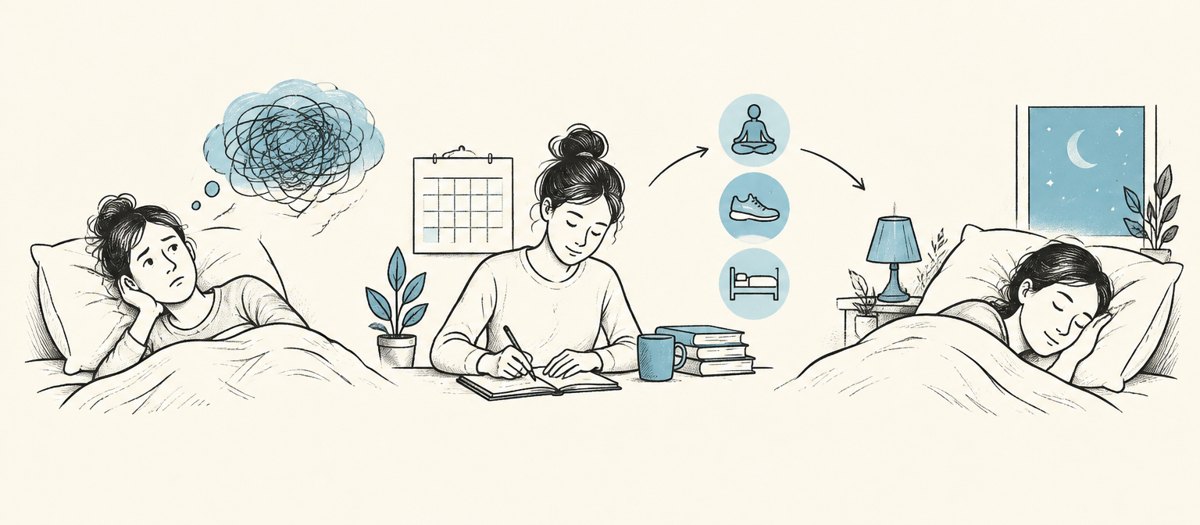
Can sleep-focused therapy reduce suicidal thoughts?
Sleep-focused therapy was linked to 23% lower suicidal thought severity after treatment, compared with control groups.
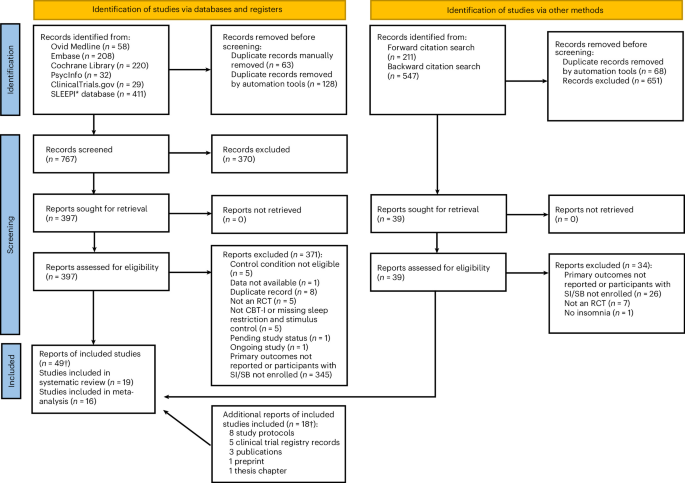
The review combined 19 studies involving 4,974 adults at the start. They had Insomnia / Difficulty Falling Asleep. The studies tested CBT-I Therapy, a structured program that changes sleep-related thoughts and habits. People were assigned by chance to the program or a comparison group. The review looked at suicidal thoughts, suicidal behaviors, and suicide deaths.
The clearest finding concerned how severe suicidal thoughts were after treatment. Average severity was 23% lower in the therapy groups. The review rated the evidence for this finding as strong. That does not mean 23% fewer people had suicidal thoughts. It also does not establish a 23% drop in suicide deaths.
Whether the benefit lasted was less clear. At later check-ins, the difference between groups was uncertain. That makes the timing important: results just after a program may differ from results months later. The supplied text does not give clear results for suicidal behaviors or deaths.
For BioSocial members, this points to tracking more than nighttime sleep alone. A personal record could pair Sleep Duration with notes about emotional well-being and progress through the program. Those records would not measure suicide risk or prove what caused a change. But they could help members compare their experiences over time. Community conversations can include improvements, setbacks, and changes that did not last, without pressure to share sensitive details.
What changes in your sleep or emotional well-being have you noticed during or after a sleep-focused therapy program?
Comments
No comments yet.