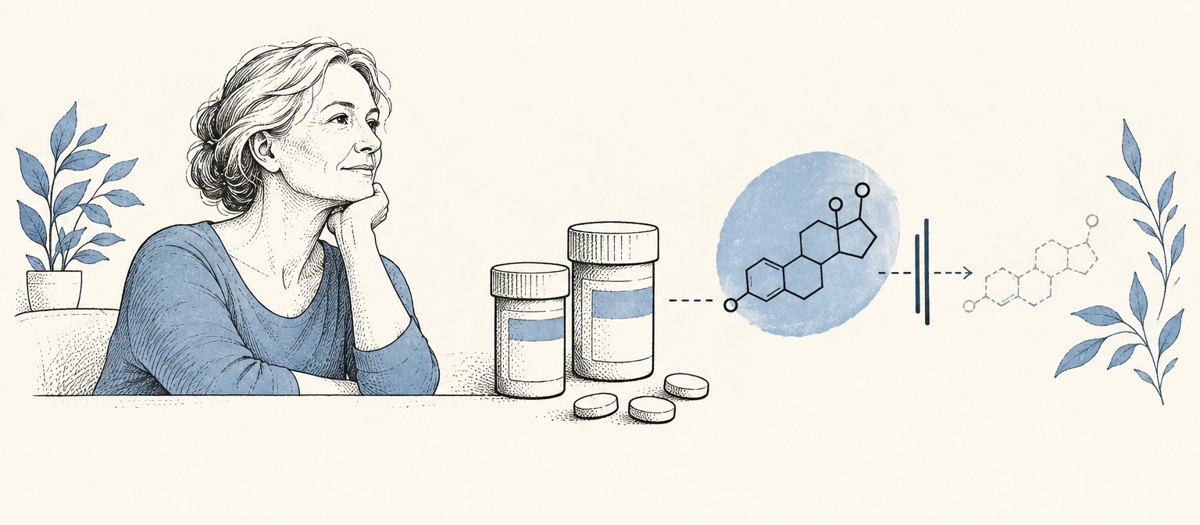
Can Denosumab prevent broken bones during breast cancer treatment?
Denosumab, a bone-protecting drug, cut first broken-bone risk over time by 50% in women taking estrogen-lowering breast cancer drugs.
The Pharmacy Times article highlights a study of 3,420 women after menopause. All had early breast cancer that used hormones to grow. They were taking Aromatase Inhibitors, medicines that lower estrogen but can increase bone loss.
The study assigned women by chance to one of two groups. One received Denosumab, given as a 60 mg shot under the skin every six months. The other received a dummy shot without the drug. Researchers reported 92 broken bones with Denosumab versus 176 with the dummy shot. The 50% figure describes the risk of a first break over time. It does not mean 50 out of every 100 women avoided one.
The article also reviews 2025 guidance on tracking Bone Mineral Density, a measure of bone strength. It recommends checks every one to two years for certain lower-risk people. These are people with a T-score above −2.0 and no added risk factors. A T-score is a number from a bone scan. A score below −2.0, or at least two risk factors, supports starting bone-protecting medicine under this guidance.
For BioSocial members, the takeaway is that bone tracking matters during treatment. Saving scan scores and dates alongside medication history can make changes easier to follow. Comparing notes with members in similar treatment settings adds useful context. These findings came from women after menopause with early breast cancer, not every hormone-care setting.
What changes have you seen in your bone scan numbers during treatment?

Comments
No comments yet.