Does BPC-157 actually help injuries heal faster?
We still don’t know: one small, poorly designed human study cannot show whether it speeds injury healing.
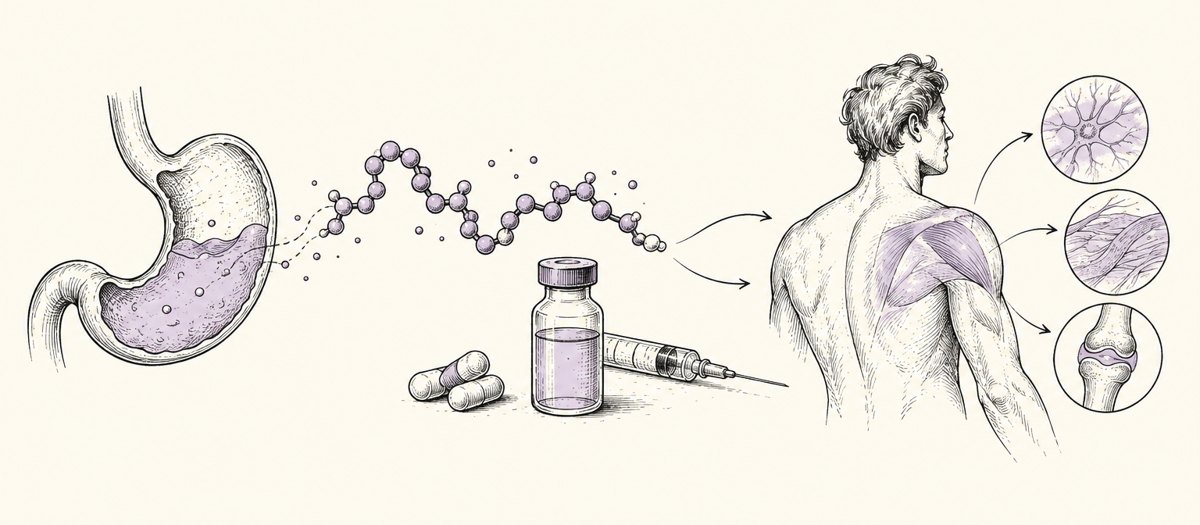
WHYY reports on the gap between animal findings and human evidence for BPC-157. Croatian scientists developed it in the 1990s while studying substances in stomach juices. They wondered whether those substances could help other injured tissues recover.
McGuire says studies in rodents suggest faster or better healing. Those studies covered injuries to skin, tendons, and muscles. But results in animals do not establish that something works in people.
McGuire and his colleagues found just one small, published human study for a muscle, bone, or joint problem. It had no comparison group to help judge the results. Doses were not consistent, and people received more than one substance. Researchers asked about improvement months later, with no tracking in between.
That leaves several possible reasons for any reported improvement. Other treatments, physical therapy exercises, or chance could have played a role. The study could not separate those effects from the injected substances.
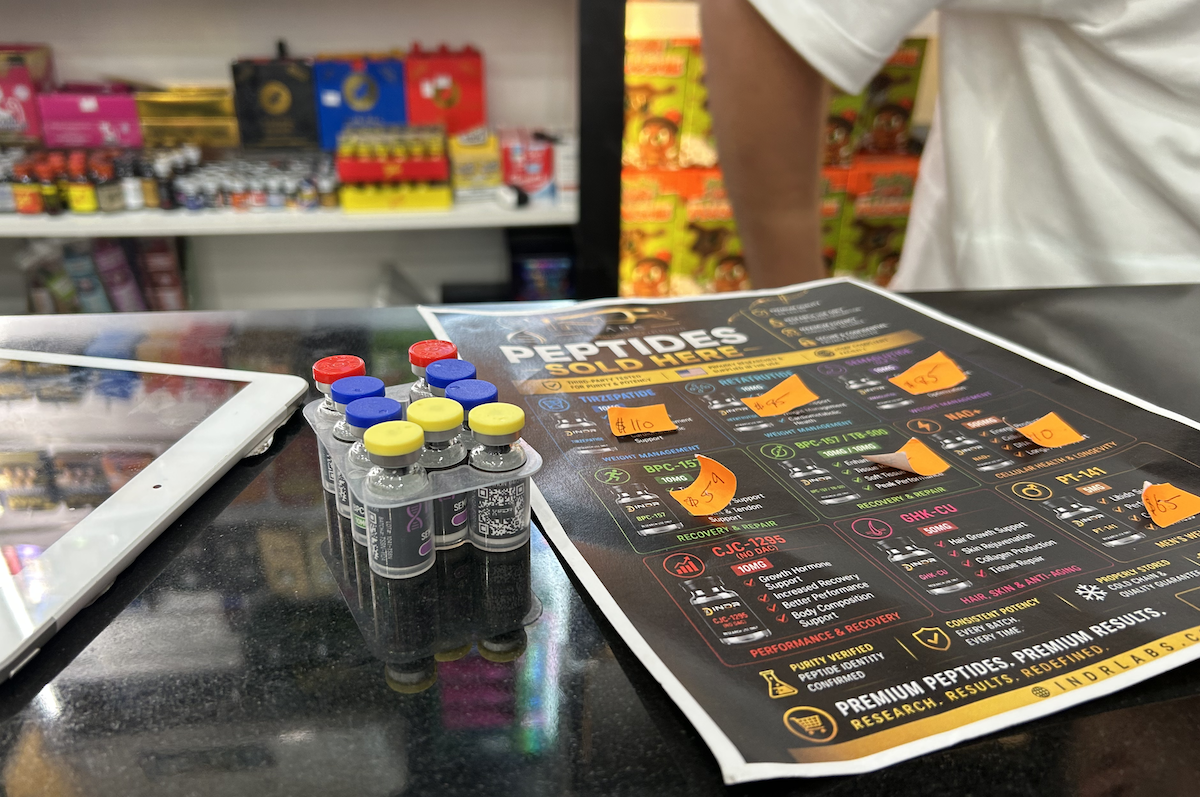
Not enough evidence is different from proof it does not work. McGuire’s conclusion is that benefits and long-term risks remain unclear. The article also flags product quality concerns. Products sold outside regulated channels may contain incorrect amounts, impurities, or none of the expected substance.
For BioSocial members tracking recovery, the missing follow-up is worth noting. Dated symptom scores and notes about other routine changes offer more context than memory alone. Comparing those records with community peers can make experiences easier to understand. Still, personal logs cannot prove what caused improvement or establish long-term safety.
What have your recovery logs shown, and what else changed during that time?
Comments
No comments yet.