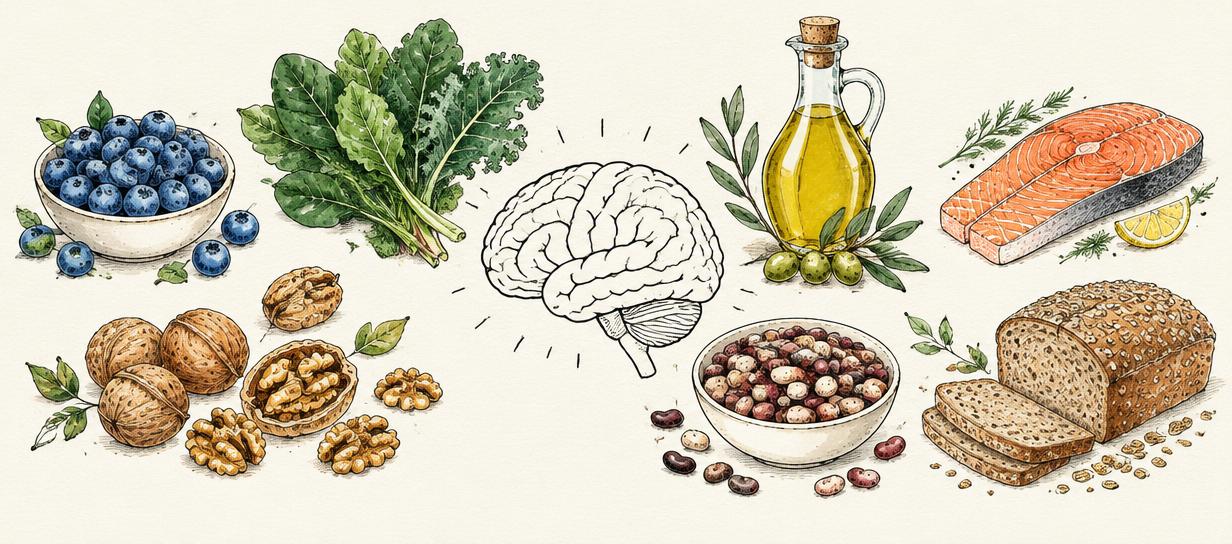
Does following the MIND Diet help you live longer?
The initial 12% lower risk of death was no longer clear after researchers accounted for social and financial differences.
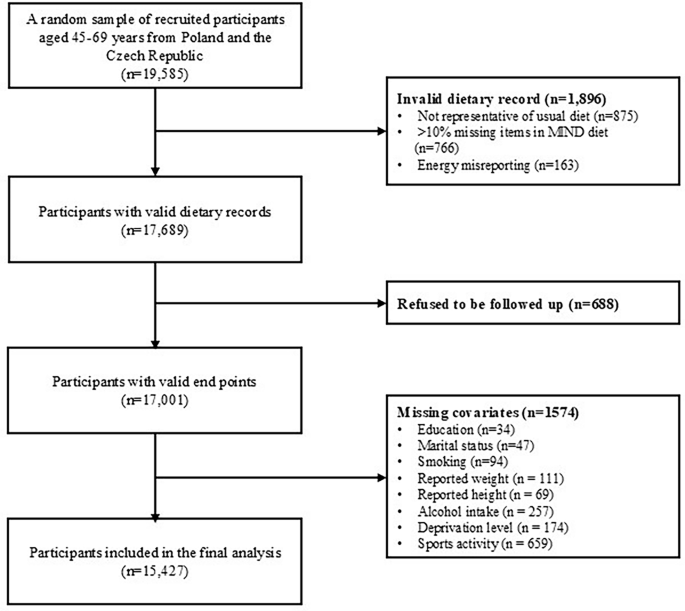
The study examined the MIND Diet in people from Eastern Europe. Researchers compared scores showing how closely people followed the diet with deaths over time. The goal was to fill a gap in evidence from this region.
At first, people with high diet scores had a 12% lower risk of death than those with low scores. That comparison accounted for age, gender, food energy intake, and country group. Each extra point in the diet score was also linked to a 3% lower risk.
But those links became uncertain after adding education, marital status, and financial hardship. The fullest comparison also found no clear link with deaths from heart disease or stroke. That does not prove the diet has no benefit. It means this study could not clearly separate diet from other life factors.
For BioSocial members, the useful takeaway is to track context alongside food habits. A record of meals and bloodwork can help you compare notes. For example, members tracking LDL Cholesterol could share dated results alongside changes in their eating routine. This excerpt does not report changes in that blood marker.
Community notes can also capture what makes a habit easier or harder. Food costs, access, and household routines add context to the numbers. Personal trends can support discussion, but they cannot show whether a diet extends life.
What changes have you noticed in your numbers or routines while following the MIND Diet?
Comments
No comments yet.