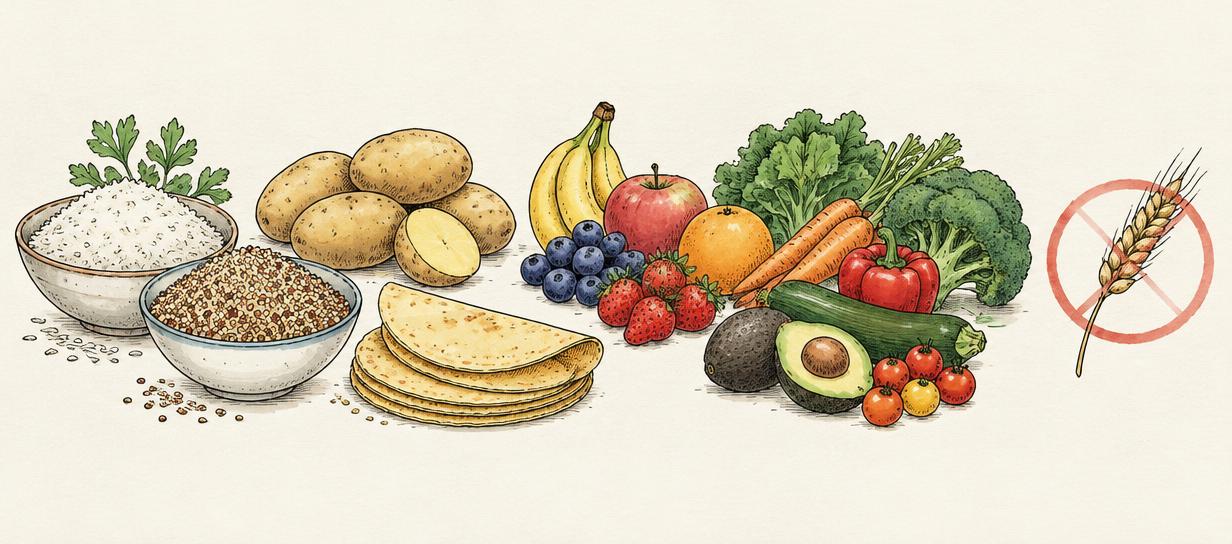
Is a gluten-free diet the only treatment for celiac disease?
Completely avoiding gluten is the only effective treatment for celiac disease, which affects about 1% of people.
That is the key message from the American College of Gastroenterology’s overview. It covers celiac disease and gluten sensitivity without celiac disease. For celiac disease, a strict Gluten-Free Diet means avoiding all gluten in food. Other treatments are being studied. So far, none have been shown to help as much.
Gluten is a protein found in wheat, barley, and rye. In people with celiac disease, eating it triggers irritation in the gut. This affects the lining of the small intestine. It can disrupt digestion and make it harder to absorb nutrients. The condition develops in people with certain genes who eat gluten.
The overview also makes an important distinction: feeling better without gluten does not always mean gluten caused the symptoms. People with gluten sensitivity but no celiac disease may improve after avoiding gluten-containing foods. Yet certain sugars in those same foods may be the cause. These sugars are called FODMAPs. The source gives no percentage for how often they explain symptoms.
For BioSocial members, this distinction adds context to shared food logs and bloodwork. Notes about which foods changed, when symptoms changed, and test dates can make comparisons more useful. The overview does not give expected blood-test changes or a recovery timeline. Your records can capture your experience without treating it as everyone’s expected result.
What changes have you noticed in your digestion or bloodwork since avoiding gluten?
Comments
No comments yet.