Why do extreme heat and cold affect some people more?
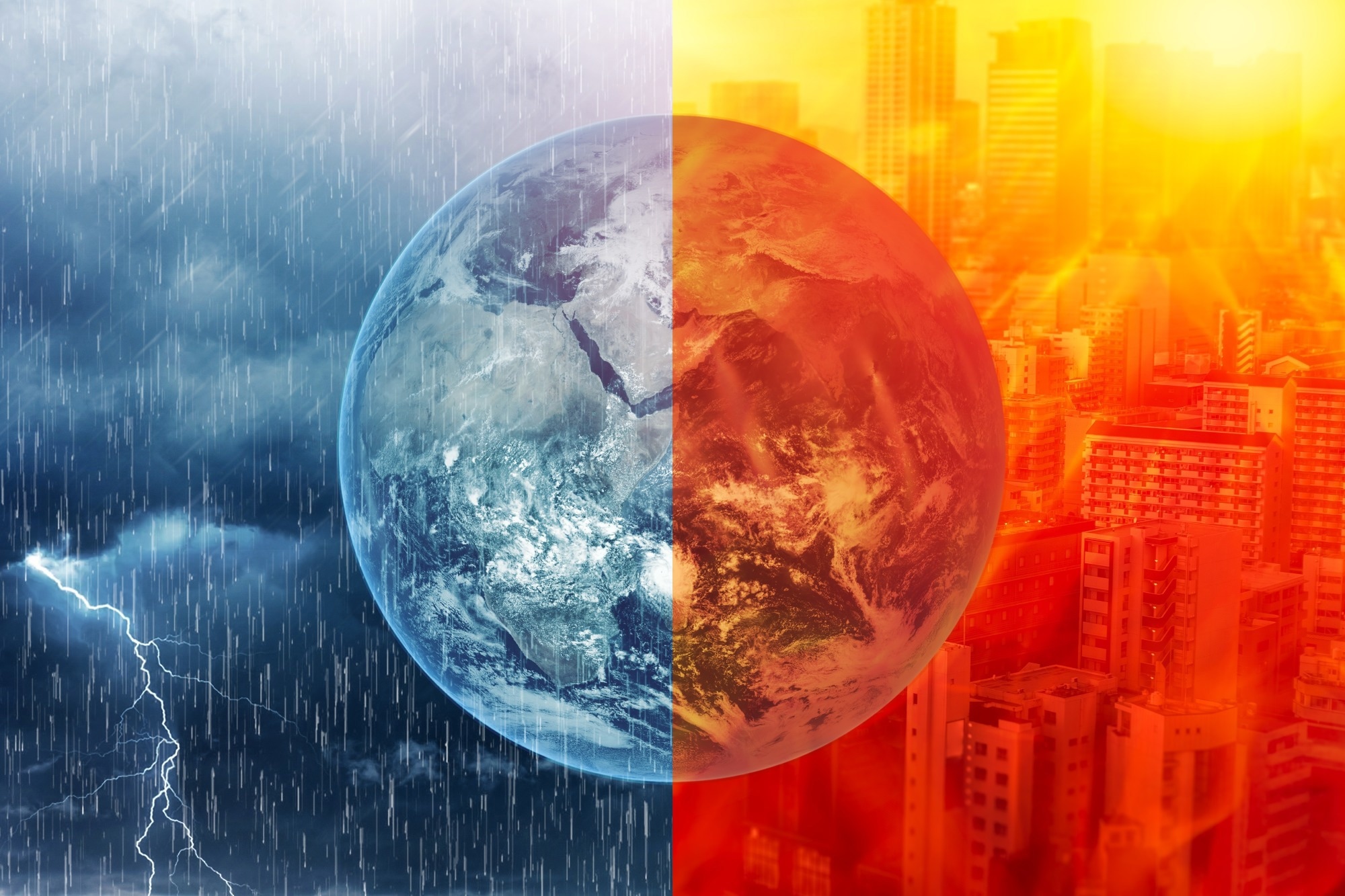
Extreme heat and cold had stronger links to hospital visits in people facing both illness and social hardship.
The report examined health risks during extreme weather, including data from Finland. Researchers compared emergency hospital visits during cold, hot, and moderate weather. They also looked at existing health problems and social hardship. Housing with poor insulation or ventilation can shape how much weather affects someone.
In the Finnish data, cold periods were linked to 9% fewer emergency visits. Hot periods were linked to 5% more visits. These links were stronger in people facing both health and social challenges. They were weaker in people facing neither challenge, or only one.
But fewer recorded visits do not necessarily mean better health. Cold weather may make emergency care harder to reach. That could partly explain the lower visit rate. Higher temperatures also brought more visits for skin, brain, and mental health problems. The study did not establish why mental health visits increased.
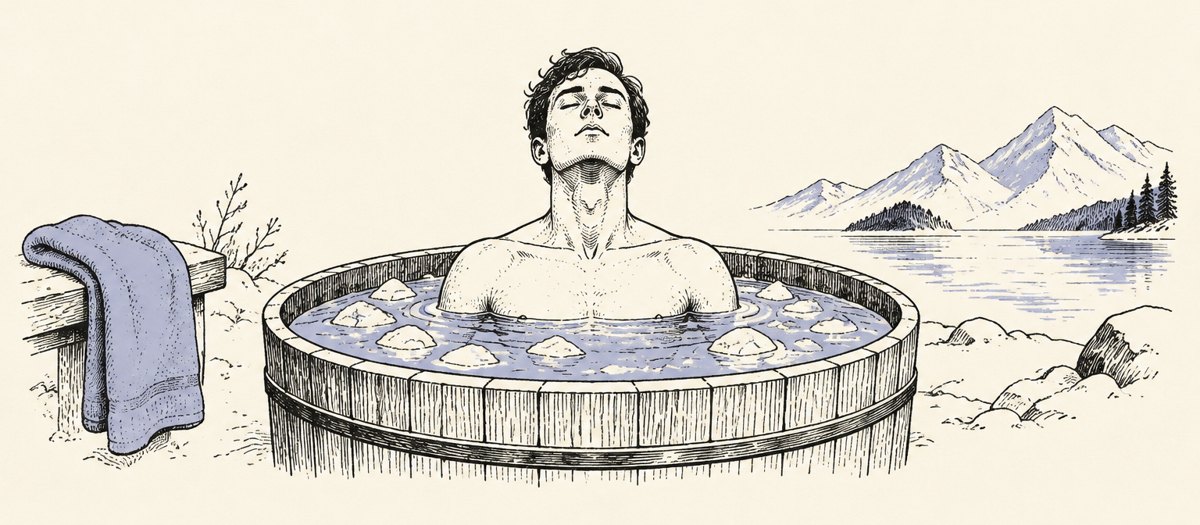
For our Cold Exposure for Mental Resilience community, the key distinction is weather versus planned practice. This report studied extreme weather, not brief cold sessions for mental training. It does not show that cold practice builds resilience or prevents hospital visits.
When comparing your own logs, context belongs beside the numbers. Session length, weather, and how you felt can help frame the conversation. If you track State of Mind (Momentary), those entries offer another point of comparison. Community notes can reveal different experiences without proving what caused them.
What patterns have you noticed in your cold-session logs as the weather changes?
Comments
No comments yet.