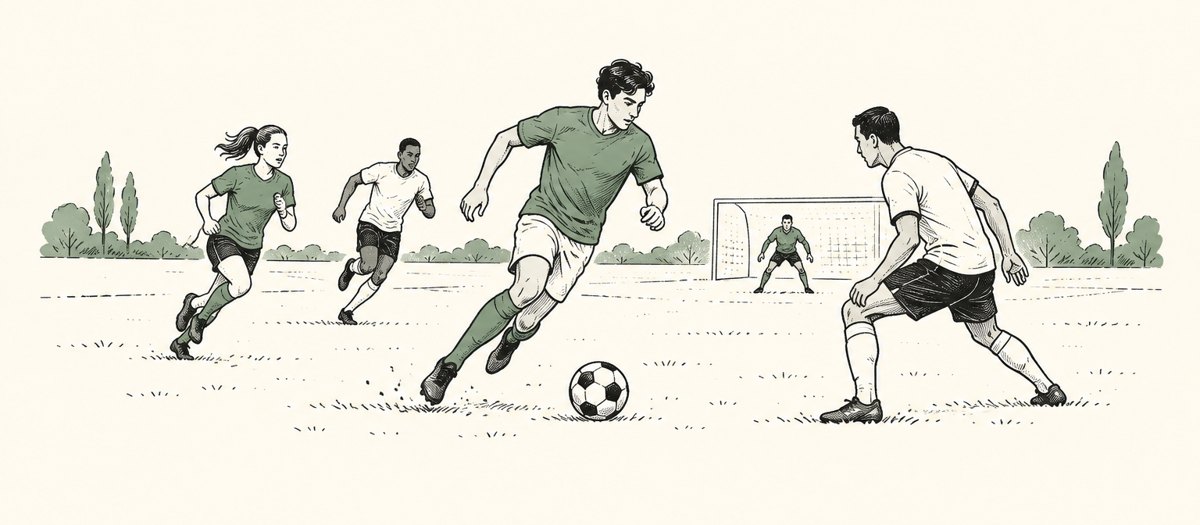
Is Soccer less popular with kids as they get older?
Yes—Soccer participation peaks at 21% among 6-year-olds, then falls with each older age group.
Project Play’s youth sports report highlights a challenge for Soccer: keeping kids involved. It draws more 6-year-olds than any other sport. But that strong start does not last through the teen years. These figures describe play rates by age, not each child’s path.
The report points to focusing on one sport too young. It names this as a key driver of burnout and injuries from repeated strain. Cost is another barrier. Travel clubs still dominate youth Soccer and often exclude lower-income families.
Ages 11 to 14 are a major turning point across youth sports. Kids move into contact sports and middle-school teams. For comparison, Basketball rises from 19% at age 6 to nearly 29% at 13. It remains the most-played youth sport through age 17, at 24%.
There are efforts to make entry easier. Major League Soccer launched MLS GO in 2023 for ages 4–14. It offers casual league play at lower costs than traditional travel clubs. The report does not show whether this keeps kids playing longer.
For BioSocial members, staying involved is worth tracking alongside performance. A family’s record could include weekly sessions, seasons played, fees, and enjoyment. Comparing those numbers over time may reveal when the routine becomes harder to sustain. Community notes can also put missed sessions in context: cost, team changes, or fading interest are different stories.
What has helped you or your kids keep playing as schedules, costs, and interests change?

Comments
No comments yet.