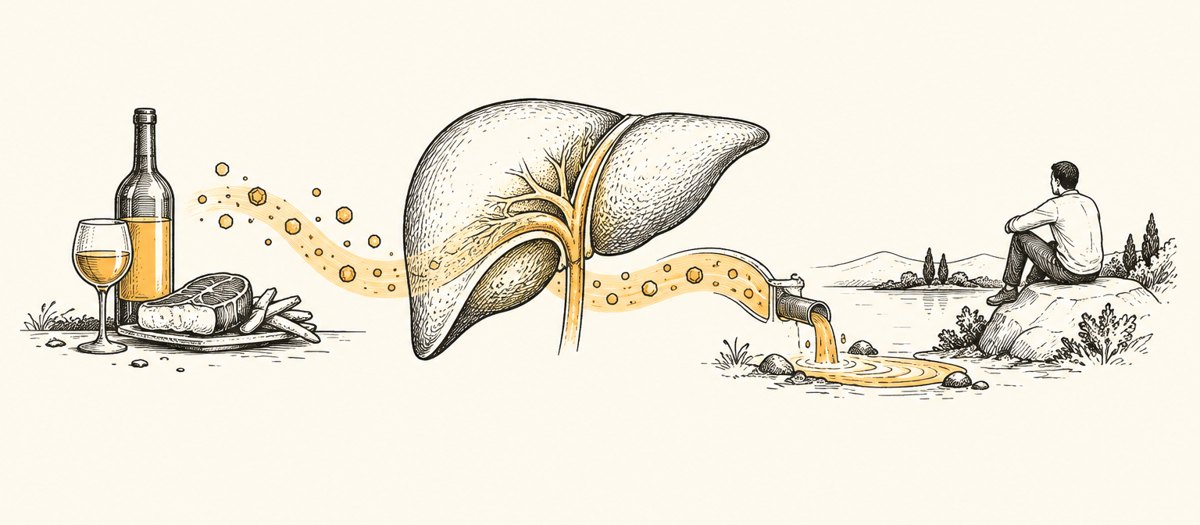
Can alcohol-related blood tests flag high blood pressure risk?
Yes—a combined alcohol-related blood score was linked to 81% higher odds of developing high blood pressure in its highest versus lowest third.
The study looked back at records from 6,655 working men over five years. Their middle age was 51. Researchers compared drinking habits, blood test results, and blood pressure at both time points.
The score combines three blood tests by multiplying their results. These are GGT (Gamma-Glutamyl Transferase), a liver-related test; MCV (Mean Corpuscular Volume), which measures average red blood cell size; and HDL Cholesterol, often called good cholesterol. The score aims to estimate a person's alcohol intake.
Men in the highest score group had 81% higher odds than the lowest group. The link remained after accounting for starting blood pressure. Regular drinkers had 71% higher odds than nondrinkers. Heavy drinkers had 95% higher odds. These figures describe odds, not the percentage of men who developed high blood pressure.
Men who moved from regular or heavy drinking to no drinking had lower readings. So did those whose scores moved from the highest to lowest third. Both Blood Pressure — Systolic, the top number, and Blood Pressure — Diastolic, the bottom number, fell. The summary did not give the size of those drops.
The finding concerns a combined score, not one liver test alone. It shows a link, not proof of cause. All the people studied were men.
For BioSocial members, this offers a reason to compare trends across several results. Those tracking Alcohol Reduction can keep drinking notes alongside bloodwork and pressure readings. Sharing dates and changes can make community comparisons more useful than isolated numbers.
What patterns have you noticed between your drinking habits, liver blood tests, and blood pressure?
Comments
No comments yet.