Can ultrasound spot higher-risk plaque in neck arteries?
Ultrasound may help flag higher-risk plaque in neck arteries, based on an early study of 50 people.
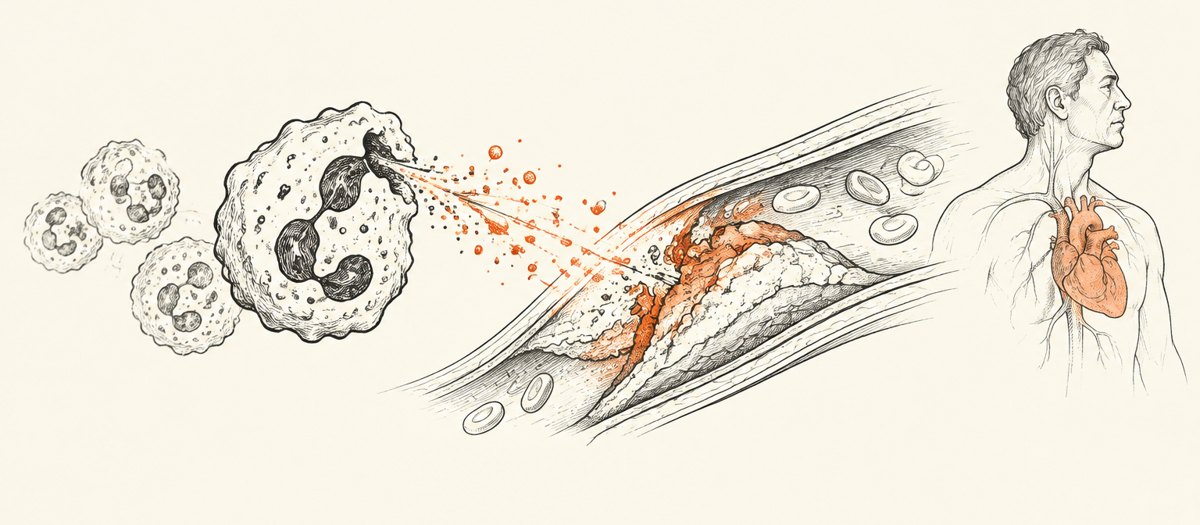
The people in the study had surgery to remove plaque, a buildup inside arteries. Researchers compared ultrasound scans before surgery with tests on the removed tissue. They measured seven signs of immune activity and tiny blood vessel growth. These included MPO (Myeloperoxidase), an enzyme released by certain white blood cells.
The tissue tests sorted plaques into four groups. Eight showed mainly inflammation, while 14 showed mainly new blood vessel growth. Another 11 had high levels of both. The remaining 17 were classed as stable.
The group with both features showed the most concerning pattern. In that group, 45.5% had recently had an event involving reduced blood flow. Their scans showed thicker plaque, measuring 0.45 centimeters, and more signs of weakness. Also, 45.5% had the highest grade of tiny blood vessel growth within plaque. Together, these scan features may help identify plaques with more concerning tissue changes.
This was a tissue study, not a blood-test study. The enzyme formed its own separate pattern in the analysis. That does not show that a blood result can identify these plaque groups. The study also did not establish a blood-level target or test any health habits. Its small size means the scan findings need further testing.
For BioSocial members tracking MPO (Myeloperoxidase), that distinction matters when comparing notes. Blood results and scan findings are different pieces of information. Sharing test dates, units, and any scan findings can keep community discussions grounded. These findings do not turn one blood number into a plaque-risk score.
What have you noticed when comparing your blood results with any artery scan findings?
Comments
No comments yet.