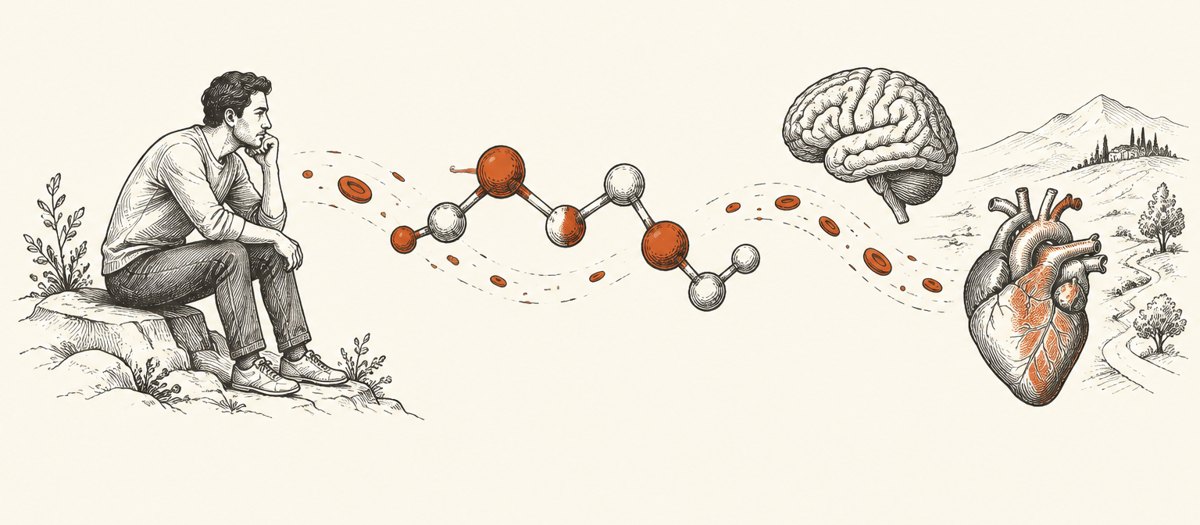
Can recreational nitrous oxide use lead to blood clots?
Recreational nitrous oxide misuse was linked to over 40 blood clot events across 18 studies.
A 2026 review in Annals of Vascular Surgery examined reports through January 2026. It focused on blood clots after recreational nitrous oxide use. Most affected people were young, with reported middle ages of 24–26 years. About 70% were male, and they generally lacked common heart disease risk factors.
High Homocysteine was found in nearly all reported cases. This often happened despite normal Vitamin B12 blood levels. The clots affected both veins and arteries. Reports included clots in the legs and lungs, strokes, and heart attacks. Some clots blocked blood flow to an arm or leg.
The review explains why these blood results can seem to clash. Nitrous oxide blocks a process that needs Vitamin B12 to work. That can raise Homocysteine and make blood more likely to clot. A normal Vitamin B12 result does not always mean it is working properly.
These reports highlight a serious concern, but they cannot show how often it happens. The review does not give the odds of a clot among all users. It also does not provide a safe level of recreational use.
For BioSocial members, the takeaway is about context, not just one lab number. Tracking Homocysteine alongside Vitamin B12 results and exposure history can make comparisons more meaningful. Community notes can help show what else changed around a blood test. A lower result alone would not prove that clot risk had fallen.
What have you noticed when comparing your Homocysteine and Vitamin B12 results over time?
Comments
No comments yet.