Can platelet size in early pregnancy signal preeclampsia risk?
Average platelet size was about 5.8% higher before 20 weeks in women who later developed preeclampsia.
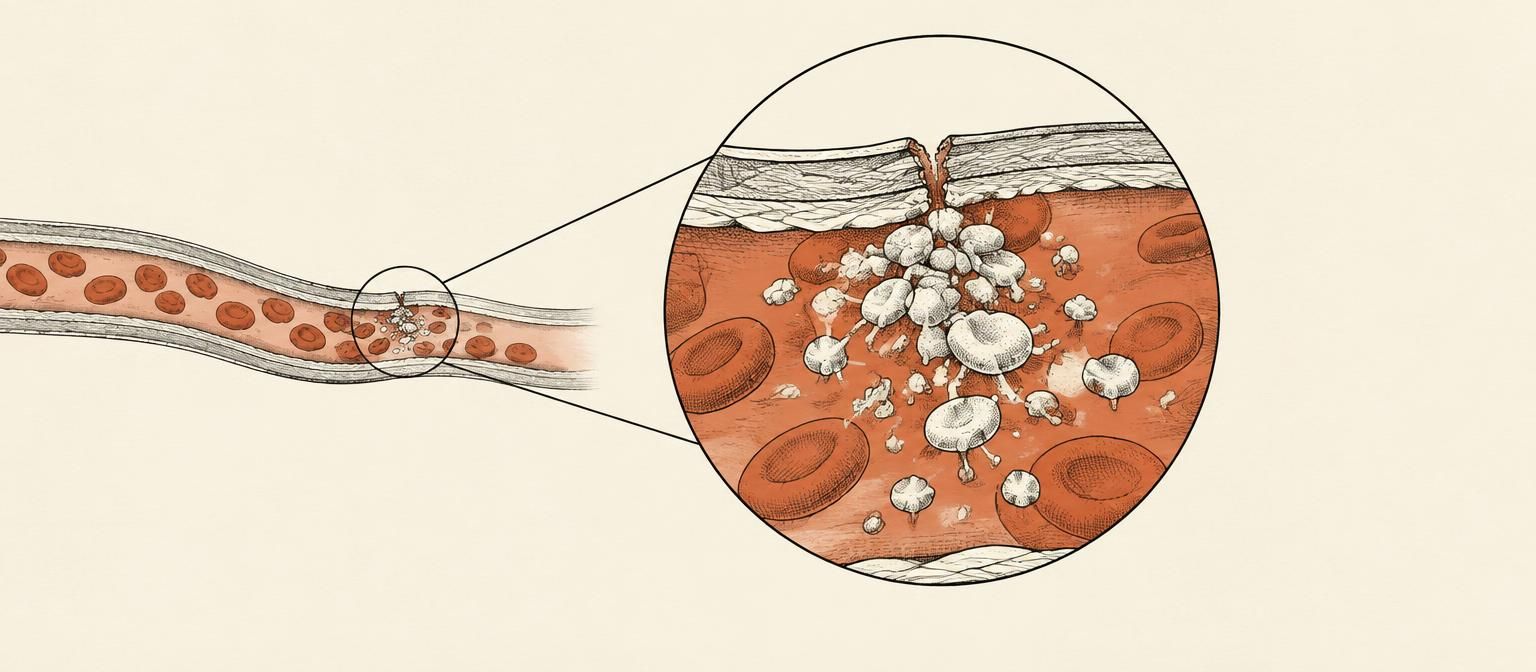
That points to a possible early clue, not a stand-alone prediction. Preeclampsia is a pregnancy condition involving high blood pressure. The review looked at MPV (Mean Platelet Volume), which measures the average size of Platelets. These are the blood cells that help blood clot.
Researchers combined results from 20 studies. They included 3,050 women who later developed preeclampsia and 12,522 with normal blood pressure. All measurements were taken before 20 weeks of pregnancy. The review searched for studies available through July 2025.
Across the studies, the average size difference was about 0.57 femtoliters. A femtoliter is a tiny unit of volume used for blood cells. The 5.8% figure describes a difference in average size. It does not mean a 5.8% increase in someone's risk.
Women who later developed severe preeclampsia also had higher early readings. The difference was about 0.42 femtoliters compared with women with normal blood pressure. For preeclampsia that began earlier, the estimated difference was larger. But that result was too uncertain to establish a clear link.
For BioSocial members, this adds context to early-pregnancy bloodwork. It does not give a cutoff that predicts who will develop preeclampsia. When comparing notes, pairing each result with the pregnancy week helps keep timing visible. Community experiences can add perspective without turning one reading into a forecast.
If you've tracked this value during pregnancy, what did your numbers look like at different weeks?
Comments
No comments yet.