Can eosinophils cause gut and swallowing problems?
Yes—eosinophils can build up in the digestive tract; the most reported form affects about 1 in 700 people.
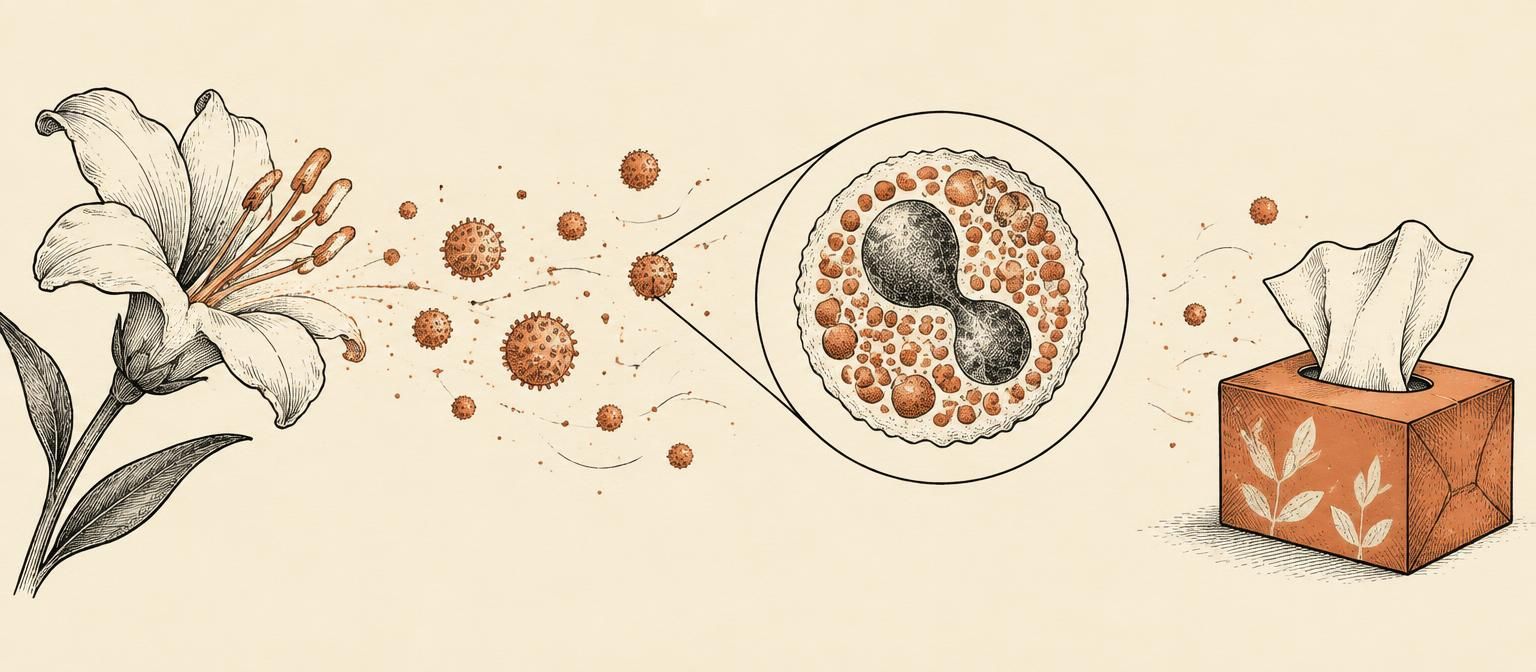
Eosinophils are immune cells. A 2026 review in Nature Reviews Disease Primers describes diseases involving these cells. It covers people with excess eosinophils in the lining of the digestive tract. This is a review of existing knowledge, not a single treatment study.
The most reported form affects the food pipe, which connects the mouth and stomach. It is called eosinophilic oesophagitis and can cause trouble swallowing or food getting stuck. Other forms affect the stomach or intestines, alone or together. When the large intestine is affected, symptoms can include Diarrhea and belly pain. These problems can disrupt daily life and social activities.
The review reports that new cases are rising worldwide. These diseases also often occur alongside eczema, hay fever, and asthma. New treatments are available for the food-pipe form. Options for the other forms remain limited.
For members tracking Eosinophils %, the key distinction is blood versus tissue. Your percentage measures these cells in blood, not in the gut lining. Diagnosis relies on small tissue samples, called biopsies, and ruling out other causes. Those causes include parasites, certain medicines, and other illnesses. The review gives no blood percentage that confirms these diseases.
Tracking bloodwork dates alongside digestive symptoms could help members compare their experiences. Those notes offer context, but cannot show what is happening inside gut tissue.
What have you noticed when comparing your Eosinophils % results with digestive or swallowing symptoms over time?
Comments
No comments yet.